华山 A2000

Search documents
黑芝麻智能慕尼黑登台,中国芯片的“欧洲考题”
Jing Ji Guan Cha Wang· 2025-09-10 09:00
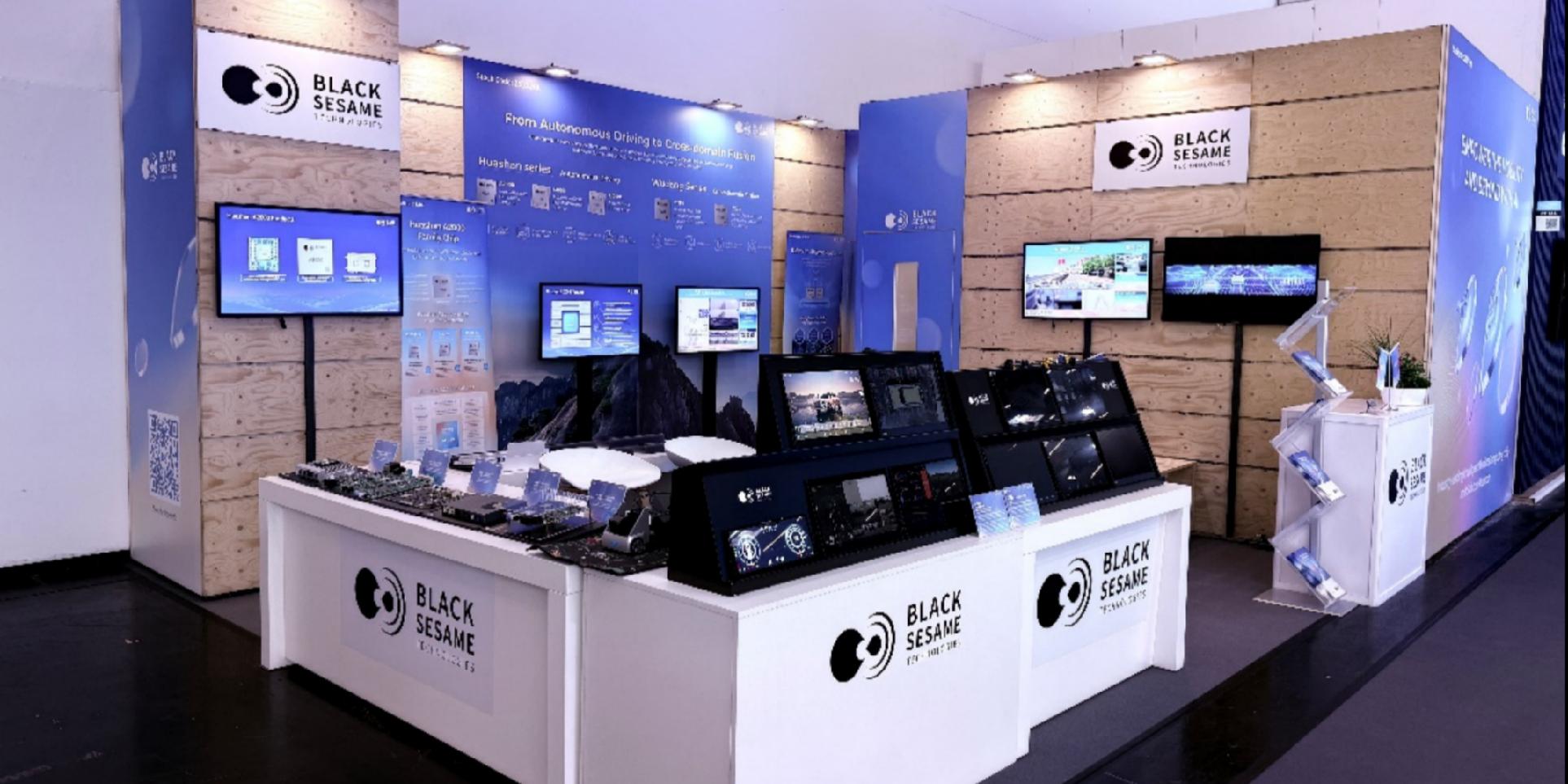
Core Insights - The article highlights the emergence of Chinese chip company Hezhima Intelligent at the IAA Mobility event in Munich, showcasing its capabilities in smart driving technology and positioning itself as a foundational computing platform for intelligent driving [2][3] Regulatory Context - The European Union's General Safety Regulation II (GSR2) mandates that all new vehicle models registered after July 2024 must include a suite of Advanced Driver Assistance Systems (ADAS) features, such as Automatic Emergency Braking (AEB) and Lane Keeping Assistance (ELKS) [2] - Compliance with UNECE R155 and R156 regulations on cybersecurity and software updates is transitioning to full coverage by 2024, creating significant pressure on automotive manufacturers to meet these standards [2] Market Opportunity - Hezhima Intelligent's introduction of the "Safety Intelligent Base" and its Wudang C1200 family of chips aims to alleviate compliance pressures and address cost concerns for European automakers facing challenges from electrification and tariffs [3] - The company has already achieved mass production of its Huashan A1000 family chips in various models, providing a proven track record that enhances its credibility in the European market [3][4] Competitive Landscape - The presence of Chinese chip companies like Hezhima in Europe is not necessarily viewed as a threat; rather, it may accelerate the maturity of the industry by pushing automakers to reassess their cost structures and compliance capabilities in light of stringent regulations [5] - Hezhima's cross-domain integration platform and production experience could position it as a potential secondary or primary supplier for European automakers if it successfully reduces costs and improves development efficiency [6] Challenges Ahead - The rigorous certification and auditing processes in the European market will require Hezhima to provide verifiable evidence of its performance, transitioning from laboratory validation to real-world testing [6] - The success of Hezhima in Europe will depend not only on the computational power of its chips but also on its ability to meet local regulatory requirements and pass through the necessary compliance checks [6]