南宁老友粉师傅

Search documents
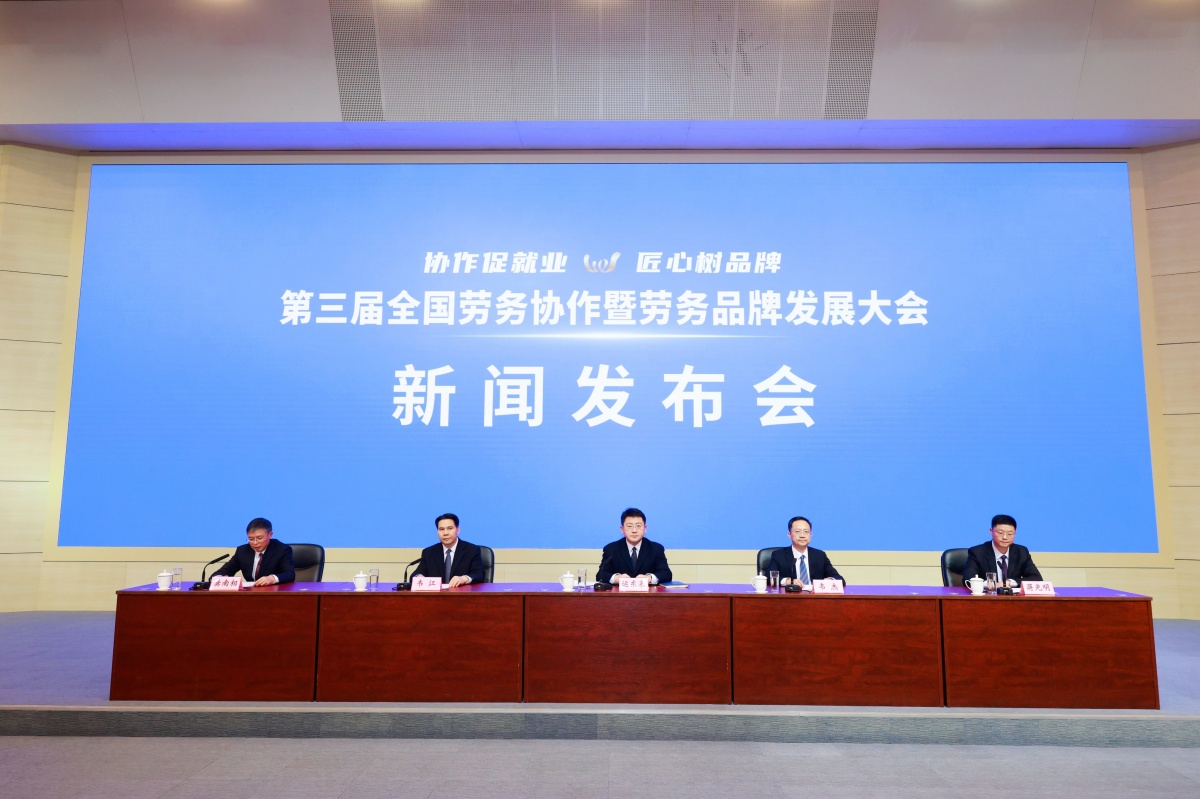
人社部答一财:综合运用财政、税收、就业等政策培育劳务品牌
Di Yi Cai Jing· 2025-11-16 10:46
Core Viewpoint - The Ministry of Human Resources and Social Security (MoHRSS) is enhancing support for labor brand development to promote rural labor employment and income growth, with over 2,300 labor brands currently in operation, creating jobs for nearly 60 million people [1] Group 1: Government Support and Initiatives - MoHRSS will hold the third National Labor Cooperation and Labor Brand Development Conference on November 18 in Nanning, Guangxi [1] - The government aims to utilize both fiscal and market resources to foster labor brand development, emphasizing the importance of government roles and market integration [1] - Four key support measures will be implemented: vocational training subsidies, employment service subsidies for organized labor output, tax and loan benefits for innovative labor brand workers, and investment channel expansion for labor brand industrial parks [1] Group 2: Employment and Economic Impact - Labor brands are recognized for their strong employment capabilities, characterized by regional and industry-specific features, and are increasingly seen as comprehensive vehicles for promoting employment and development [4] - Since 2021, the employment scale of the poverty alleviation population has remained above 30 million, with labor brands from poverty-stricken areas playing a crucial role [4] - 14 labor brands from poverty-stricken areas will participate in the upcoming conference, collectively creating jobs for 365,000 rural workers, with average wages significantly higher than those of ordinary workers [4] Group 3: Regional Development and Training - Nanning has developed influential labor brands linked to local industries, training over 161,800 individuals and creating jobs for 153,000 people [5] - The trend in labor brand development is shifting towards more organized, refined, and integrated approaches, with a focus on quality improvement and skills enhancement [5][6] - There is an emphasis on industrial upgrading and demand-driven strategies to cultivate leading labor brand enterprises and regional alliances for collective development [6]