博物馆门票

Search documents
暑期上海入境游市场火热 外国游客青睐“场景化”体验
Xin Hua She· 2025-08-27 19:12
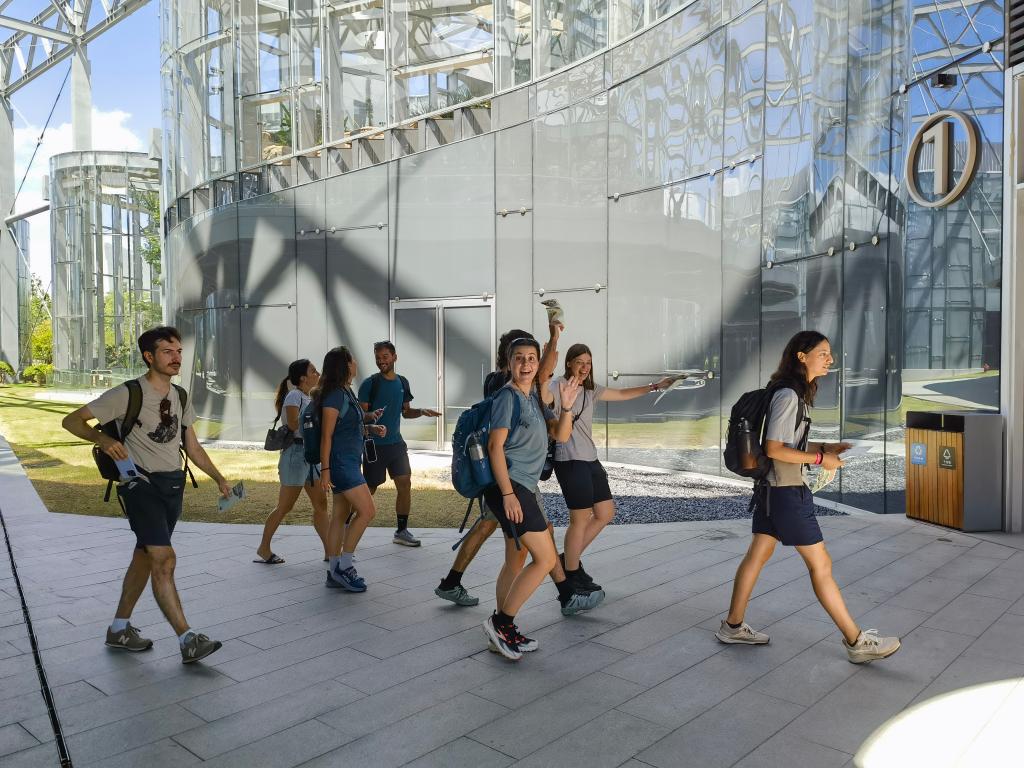
Core Insights - Shanghai's inbound tourism market has seen significant growth during the summer, with over 680,000 inbound tourists in July, marking a 33.8% year-on-year increase, and over 4.83 million tourists from January to July, a 37% increase [1][2] Group 1: Inbound Tourist Statistics - In July, foreign tourists accounted for over 491,000 visitors, a 40.8% increase year-on-year [1] - From January to July, the number of foreign tourists reached approximately 3.61 million, reflecting a 51.5% year-on-year growth [1] - South Korea and Thailand have shown remarkable growth, with South Korean visitors exceeding 60,000 in July, a more than 100% increase, and 484,000 visitors from January to July, a 127.8% increase [2] Group 2: Tourist Preferences and Activities - Inbound tourists are increasingly favoring immersive experiences, such as themed activities and dining combined with performances, alongside traditional sightseeing [4] - There is a notable trend of foreign tourists engaging in local shopping and leisure activities, with many following online guides to popular local spots [4] - The demand for museum tickets and related tourism products has increased by 20% compared to the previous year [2] Group 3: Events and New Offerings - Various cultural and tourism events, such as the Shanghai Tourism Festival and the Shanghai Book Fair, have attracted many foreign visitors [6] - Shanghai has introduced new products and services aimed at enhancing the experience for international tourists, focusing on interactive and immersive cultural expressions [6]

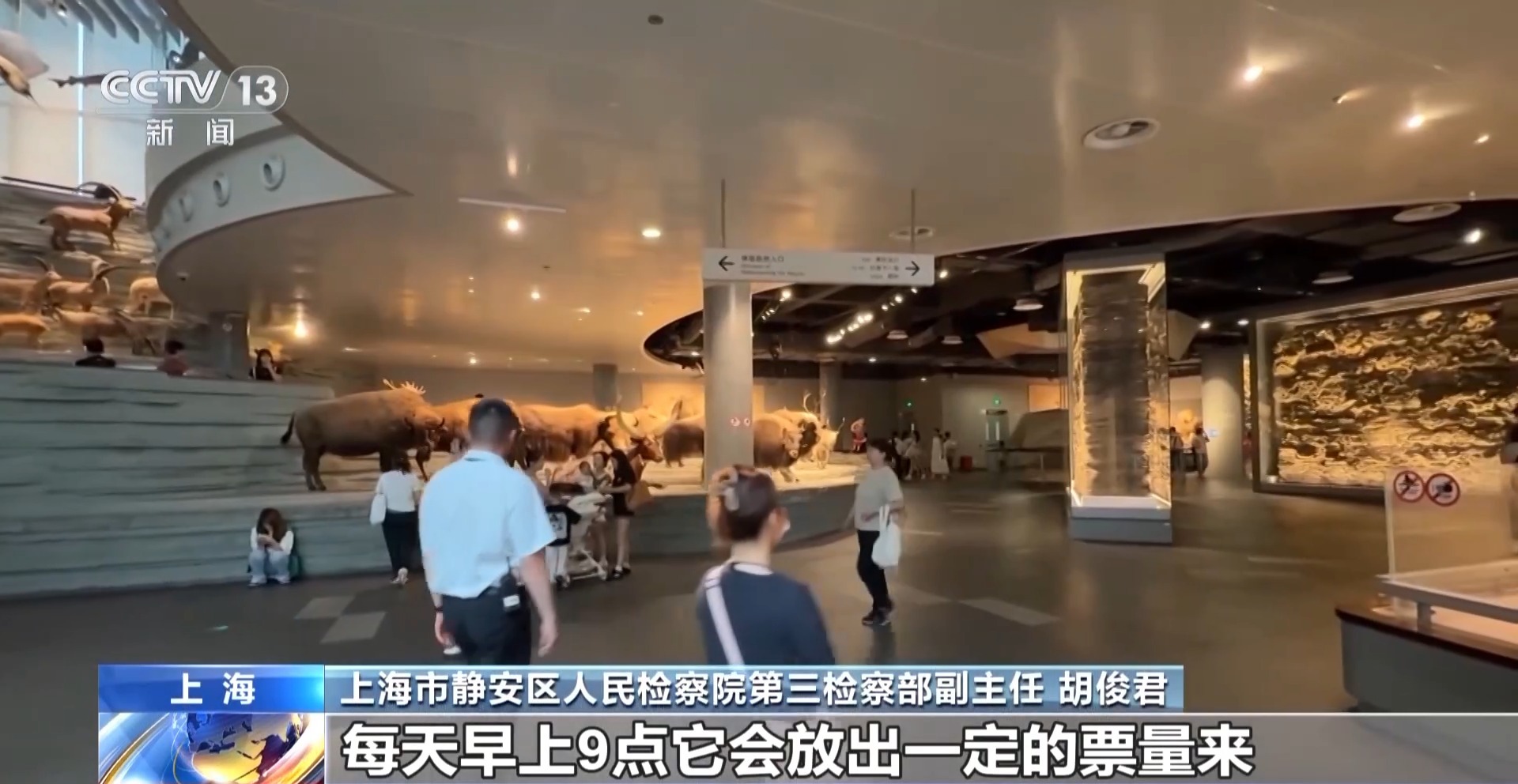
法治在线丨热门博物馆门票“秒光” 是我手速慢吗?
Yang Shi Xin Wen· 2025-07-10 08:44
Core Viewpoint - The article discusses the illegal ticket scalping activities surrounding a popular museum in Shanghai, highlighting how a group exploited system vulnerabilities to purchase tickets in bulk and resell them at inflated prices, significantly impacting regular visitors' ability to buy tickets at official prices [2][10][37]. Group 1: Ticket Scalping Operations - A ticket scalping gang utilized technical means to infiltrate a museum's ticketing system, leading to tickets being sold out within minutes of release [2][10]. - The gang's operations involved using a ticket scalping software that allowed them to bypass normal purchasing restrictions, enabling them to secure tickets before the general public [16][22]. - The gang's activities resulted in the sale of over 9,000 tickets, with significant profits made through partnerships with travel agencies that sold tickets at 7 to 10 times the original price [24][35]. Group 2: Financial Implications - The original ticket prices were 30 yuan for adults, while the scalped tickets were sold for 200 to 300 yuan, leading to a substantial markup [6][35]. - The gang sold tickets to travel agencies at prices between 50 to 70 yuan, earning a profit of 20 to 30 yuan per ticket, while the agencies resold them at inflated prices [31][35]. - The total revenue from these operations reached over 440,000 yuan, with profits exceeding 200,000 yuan after deducting costs [33]. Group 3: Legal Consequences - The actions of the scalping gang were classified as illegal acquisition of computer information system data, leading to criminal charges against the main perpetrators [37][38]. - The case has prompted discussions on improving ticketing systems and regulations to ensure fair access for all visitors [40][42]. - Legal measures are being considered to deter such scalping activities, emphasizing the potential for significant prison sentences for offenders [45].