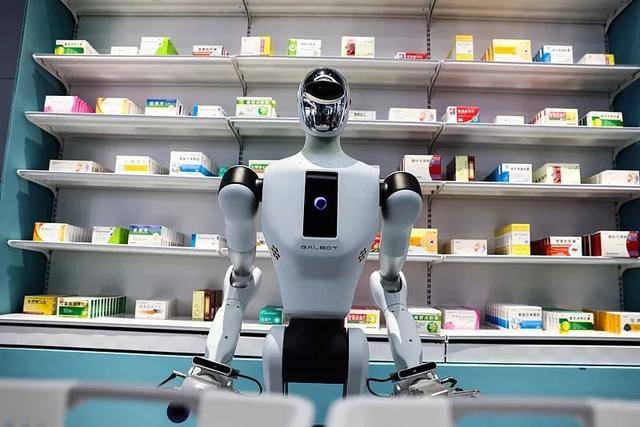
友药柜

Search documents
4 亿用户涌入线上医疗:谁是 “AI药店” 的夜间守护者?
Sou Hu Cai Jing· 2026-01-23 10:08
Core Insights - The Chinese pharmaceutical e-commerce market is approaching a structural turning point by 2025, with the rise of 24-hour pharmacies enhancing sales and management efficiency [2] - The report indicates that the new retail era in pharmaceuticals has arrived, expanding from simple sales to include pharmaceutical services, big data collection, diagnosis, and health knowledge dissemination [2] Group 1: Market Trends - The integration of AI, big data, and IoT in pharmacies is not merely a digital upgrade but a deep insight into consumer health needs and behaviors, creating personalized health consumption scenarios [3] - By the end of 2024, the number of internet medical users in China is expected to exceed 400 million, indicating a high acceptance of online medical services and convenient purchasing methods [3] Group 2: Consumer Demographics - The primary customer group for the new model will be young and middle-aged individuals aged 31-50, with a significant increase in nighttime medication orders, which grew over 40% year-on-year in 2024 [4] - The proportion of users under 30 has decreased from 70.1% to 40.4%, while the 31-40 age group has increased to 48.5%, indicating a shift in the demographic profile of nighttime medication purchasers [4] Group 3: Geographic Distribution - Users from third-tier cities and below account for 35.7% of the market, reflecting a clear trend of market penetration into lower-tier cities [5] - As of the end of 2023, the number of licensed pharmacies in China exceeded 667,000, with less than 10% operating 24-hour services [5] Group 4: Local Practices and Regulations - Different regions have varying regulations and pilot models for the deployment of smart medicine cabinets, with some areas like Qinhuangdao actively covering all counties with smart cabinets [6] - In the Yangtze River Delta, cities like Hangzhou have strict regulations on the deployment of smart cabinets, while others like Xuzhou allow for more flexibility [6] Group 5: Challenges and Recommendations - The report identifies three main challenges for the development of new retail and smart cabinets: differing policies across regions, lack of established standards, and varied operational models [10] - Six policy recommendations are proposed to promote industry standardization, including replacing licensing with a registration system, provincial coordination for medical insurance integration, and establishing data security management rules [11]