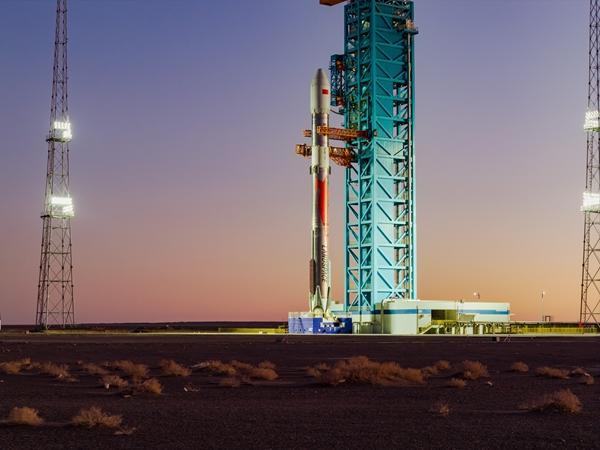
吉林一号高分03系列卫星

Search documents
商业航天十年 这群年轻人站上“云端”
Xin Lang Cai Jing· 2026-02-09 22:25
Core Insights - The rapid development of commercial space in China has created unprecedented career opportunities for young professionals in the industry [2][3] - The commercial space sector has seen significant growth, with the industry value projected to increase from 1 trillion yuan in 2020 to approximately 2.3 trillion yuan by 2024, reflecting a compound annual growth rate of 22.9% [2] Industry Growth and Trends - In 2025, China is expected to launch 25 commercial rockets and place 311 commercial satellites into orbit, accounting for 84% of the total satellites launched that year [9] - The number of commercial space companies in China has surged from fewer than 10 a decade ago to over 600 today, indicating substantial advancements in technology, capital, and talent [9][10] - The commercial space sector is characterized by a youthful workforce, with young talent becoming the backbone of high-quality development in the industry [3] Innovation and Flexibility - Young professionals in commercial space companies are attracted by the flexible innovation mechanisms that allow for greater experimentation and the pursuit of new technologies [6][7] - The commercial space industry encourages a culture of innovation and rapid iteration, contrasting with the more traditional and stable approaches of state-owned enterprises [6][7] Policy and Regulatory Environment - Recent government reports have shifted the focus on commercial space from mere encouragement to active promotion, indicating a more structured approach to development and governance [16] - The establishment of dedicated regulatory bodies for commercial space signifies a commitment to ensuring high-quality and safe development within the sector [16] Future Outlook - The commercial space industry in China is expected to continue its rapid growth, with increasing demand for satellite and rocket launches projected over the next 5 to 10 years [19] - The integration of commercial and state-owned enterprises is seen as essential for achieving large-scale satellite production and deployment, highlighting the collaborative future of the industry [19]