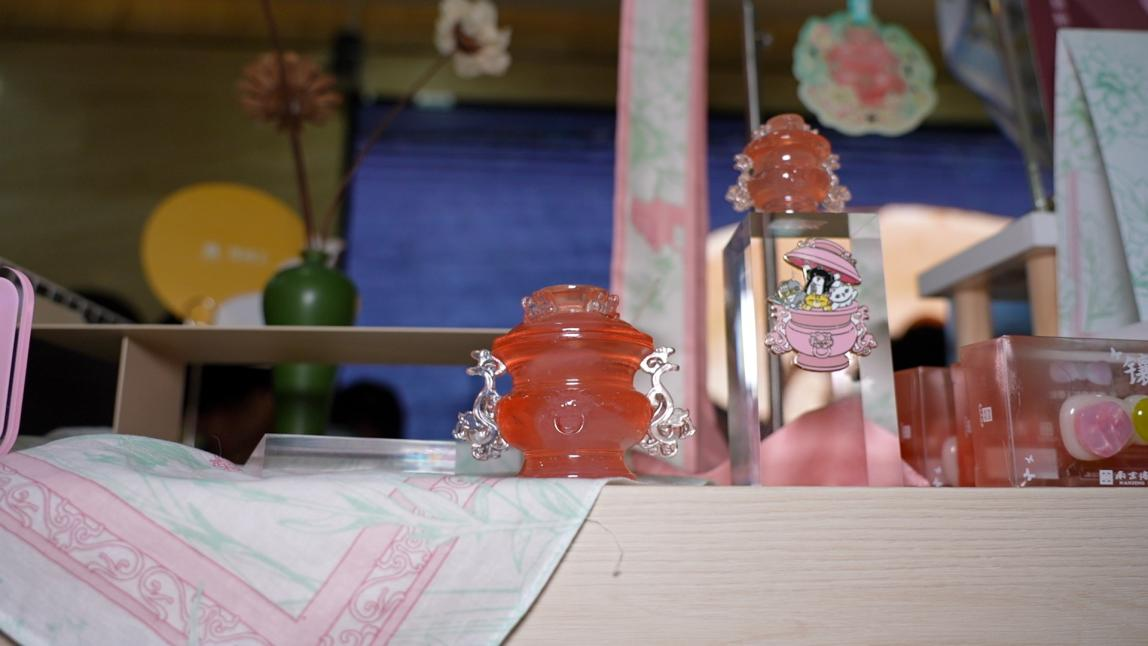
吴王夫差剑的毛绒剑

Search documents
中国改革现场丨破解“干多干少一个样” 江苏如何改写博物馆的“机制方程式”?
Yang Guang Wang· 2025-11-03 03:38
Core Viewpoint - The "museum fever" in China is leading to increased public demand for high-quality cultural services, which in turn is creating operational pressures for museums, including staffing challenges and rising costs [1][3][6]. Group 1: Operational Challenges - Museums are facing tight staffing schedules, increased costs for night operations, and higher investments in cultural product development [1][3]. - The public's growing demand for quality cultural services is putting pressure on museums' human resources and operational funding [6][19]. Group 2: Policy Innovations - Jiangsu province has implemented the "Two High" policy to stimulate internal motivation within museums, allowing for the support of paid special exhibitions and innovative cultural products [3][7]. - The policy encourages museums to develop more temporary exhibitions and cultural products while ensuring that the revenue generated is reinvested into museum development [7][8]. Group 3: Revenue and Incentive Mechanisms - The "Two High" policy specifies that over 70% of net revenue from cultural products should be used for museum development, with a maximum of 30% allocated for personnel incentives [8][9]. - A performance evaluation mechanism has been established to link the assessment results directly to the total performance salary, ensuring dynamic adjustments based on service effectiveness [8][9]. Group 4: Impact of Cultural Products - The Nanjing Museum's "Little Pink Furnace" refrigerator magnet has sold 840,000 sets, generating over 50 million yuan in revenue, showcasing the success of cultural products [2][19]. - Jiangsu's museums have launched 1,046 themed exhibitions in one year, with an average of nearly three new exhibitions daily, reflecting the vibrant cultural scene [19]. Group 5: Future Directions - Jiangsu plans to enhance performance salaries based on the revenue from extended service hours, ensuring timely benefits for staff [19]. - The reforms aim to transform museums from static "cultural warehouses" to dynamic "creative workshops," fostering a cultural and economic synergy [19].