唐代黄釉褐彩瓷狗

Search documents
感受中国传统美学与童趣 暑期来博物馆看看吧!
Yang Shi Xin Wen· 2025-08-01 06:56
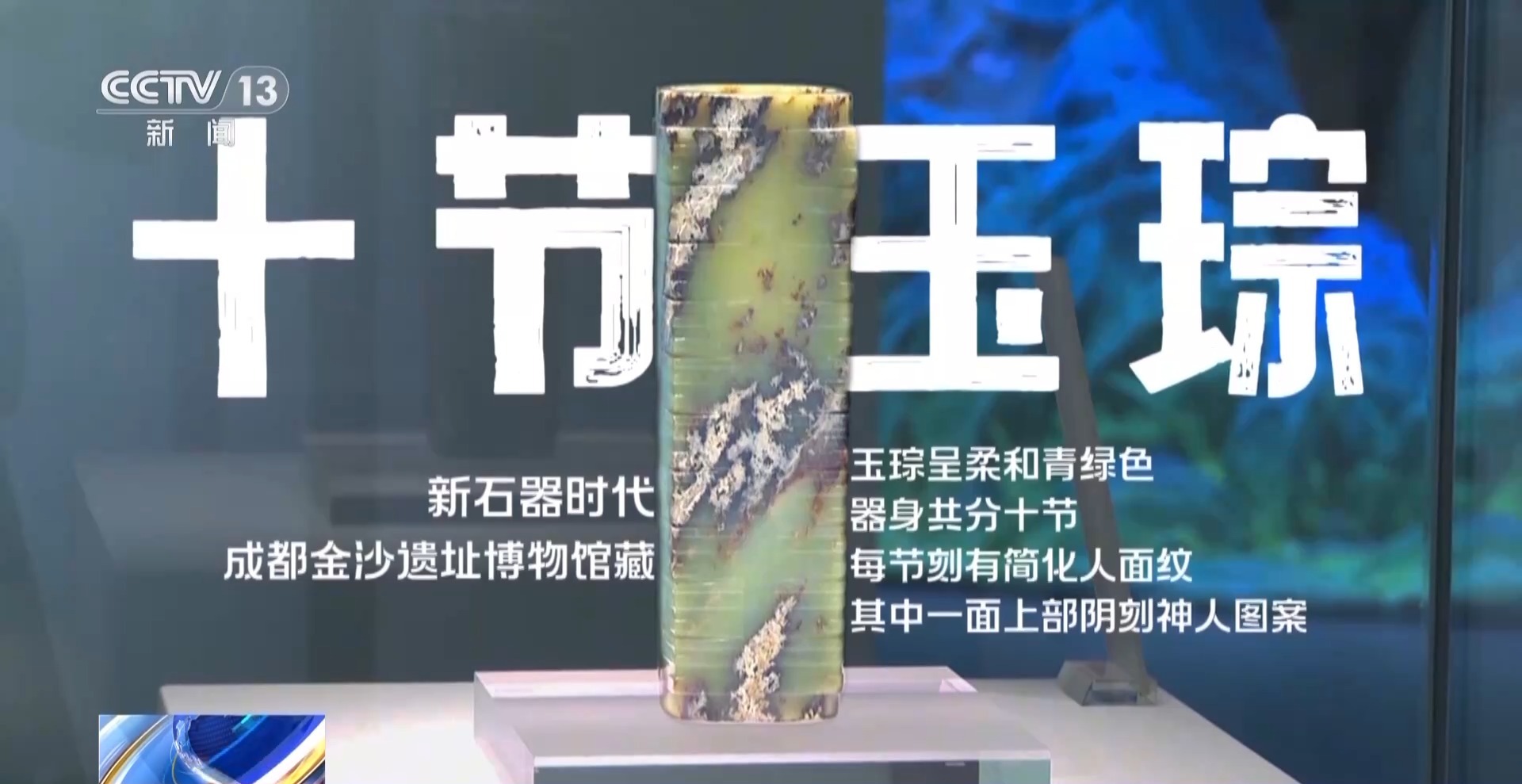
Core Viewpoint - The article highlights the "Qing·Yun - The Aesthetics of Chinese Traditional Colors in Cultural Relics" exhibition at the Chengdu Jinsha Site Museum, showcasing over 200 exquisite blue-hued artifacts from more than 20 cultural institutions across China, emphasizing the beauty and significance of blue in traditional Chinese culture [1][8]. Group 1: Exhibition Highlights - The exhibition features the museum's treasure, the ten-section jade cong, which is made entirely of jade and showcases a unique design that reflects cultural exchanges between regions [2][4][6]. - Notable exhibits include the imperial poem jade screen from the Palace Museum, representing the high craftsmanship of Qing dynasty jade [8]. - The exhibition spans various dynasties, displaying the evolution of blue porcelain from primitive grayish-blue to the sophisticated colors of the Song dynasty, illustrating ancient aesthetic concepts [10]. Group 2: Interactive Experience - The exhibition includes not only high-profile artifacts but also relatable items like hot pot, pickled vegetable jars, and chess pieces, providing a glimpse into the daily lives of ancient people [12]. - Visitors can engage with the exhibits through touch, smell, and sound, enhancing the immersive experience of traditional aesthetics, with braille descriptions available for inclusivity [14]. - The museum has adjusted its opening hours to remain open daily from July 1 to August 31, allowing more visitors to experience the exhibition [14]. Group 3: Additional Exhibitions - The Suzhou Archaeological Museum has opened a temporary exhibition titled "Exploring Ancient Childhood," featuring over 40 ancient toys unearthed in Suzhou, highlighting the playful aspects of ancient life [15][17]. - The exhibition includes various small animal toys from different dynasties, such as a Tang dynasty ceramic dog and a Han dynasty game board, showcasing the artistic and cultural significance of these artifacts [19][20]. - Visitors express appreciation for the opportunity to learn about ancient children's toys, which reflect traditional Chinese values and aesthetics [22][24].