
商飞C909

Search documents
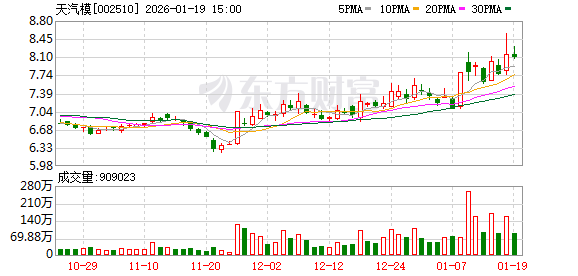
天汽模:公司在航空领域深耕多年
Zheng Quan Ri Bao· 2026-01-19 14:12
Core Viewpoint - The company has been deeply involved in the aviation sector for many years, providing components for various aircraft models, including large commercial and general aviation aircraft, as well as military and unmanned aerial vehicles [2] Group 1: Company Involvement in Aviation - The company supports major aircraft models such as COMAC C919, COMAC C909, Airbus A220, and Bombardier Global 7500 [2] - The company also provides components for general aviation aircraft including AVIC AG600, AVIC Y12, GA20, XL100, and LE700 [2] - Additionally, the company is involved in multiple military aircraft models and unmanned aerial vehicles [2]


观察|干线市场竞争激烈,中国航司如何进一步拓展航线网络“广度”?
Xin Lang Cai Jing· 2025-11-15 13:29
Core Insights - The pricing power of Chinese airlines is critically limited due to intense competition and market oversupply, leading to a decline in profitability [1][2] - The report from Embraer highlights that the impact of ticket prices and passenger load factors on profit margins significantly outweighs cost-saving measures, suggesting that aggressive pricing strategies may harm profitability [2] - The Chinese aviation market is characterized by a high concentration of flights on a few major routes, which contributes to a low-profit environment [2][3] Industry Overview - The Chinese airline industry is facing a "high passenger volume, low profit margin" situation, with over 65% of flights concentrated on high-density trunk routes [2] - The average seat capacity of Chinese airlines is higher than that of their international counterparts, yet the number of direct service city pairs is lower, indicating a need for strategic reevaluation [2][3] - The market is currently dominated by larger aircraft, with 85% of capacity held by Airbus A320 and Boeing 737, limiting the use of smaller aircraft that could better serve regional markets [3][4] Market Dynamics - The competition from high-speed rail is significantly affecting airlines' pricing strategies, forcing them to lower fares to maintain passenger load factors [1][2] - There are over 900 city pairs in China with insufficient air service, presenting opportunities for airlines to establish monopolistic or oligopolistic routes that could support higher ticket prices [2] - The shift in consumer preferences towards less popular destinations and the rise of leisure travel necessitates a strategic pivot for airlines to adapt to changing market demands [4][5] Aircraft and Fleet Strategy - Smaller aircraft can achieve better load factors without the need for aggressive discounting, thus maintaining higher profit margins [3] - The current fleet of over 4,000 aircraft in China is aging, with projections indicating that over 1,900 will retire in the next decade, creating a potential gap that smaller aircraft could fill [3][4] - The introduction of Embraer's E2 series aircraft is seen as a strategic opportunity to complement existing capacity and meet the needs of underserved markets [5]