地衣标本

Search documents
这个专业,全国曾只有他一根独苗……
Huan Qiu Wang Zi Xun· 2025-10-05 11:53
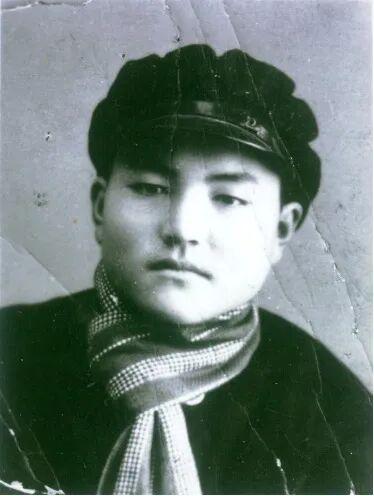
来源:中央广电总台中国之声 先生,不仅是一种称谓,更蕴含着敬意与传承。可堪先生之名者,不仅在某一领域独树一帜,更有着温 润深厚的德性、豁达包容的胸襟,任风吹雨打,仍固守信念,将深沉的家国情怀根植于血脉之中。捧着 一颗心来,不带半根草去,为后生晚辈持起读书、做人的一盏灯。 中国之声特别策划《先生》,向以德性滋养风气的大师致敬、为他们的成就与修为留痕。今天播出: 《魏江春:做生命的拓荒者》。 0:00 魏江春,1931年出生于陕西咸阳,中国科学院院士,中国地衣学奠基人。从零起步,他建立亚洲最大的 地衣标本室,完成世界上第一个地衣型真菌全基因组测序及其基本生物学分析,解锁大量"抗逆基 因"与"沉默基因"的激活密码;他提出"沙漠生物地毯工程",为治沙提供新路径。他推动中国地衣学科 完成从"一人独行"到"世界领跑"的跨越。 "地衣占真菌界20%,没有人搞不行。我说我得好好干,完成这个任务,我的目的就是把这个学科空白 填补起来。" 超冷门学科里 他曾是中国的"一根独苗" 相比于高大挺拔的树木、鲜艳夺目的花朵,魏江春更偏爱那些不起眼的角落——裸露的岩石,粗糙的树 干,那一片片色彩斑斓、形态各异的"印记",便是他牵挂一生的地 ...

先生丨他让我国每一株地衣都有了“身份证”
Yang Guang Wang· 2025-10-05 07:00
Core Viewpoint - The article highlights the life and contributions of Wei Jiangchun, a pioneer in lichenology in China, emphasizing his dedication to the field and the significant impact of his research on desertification and biodiversity [2][29]. Group 1: Personal Background and Achievements - Wei Jiangchun, born in 1931 in Shaanxi, China, is a member of the Chinese Academy of Sciences and the founding figure of lichenology in China [2][11]. - He established the largest lichen specimen collection in Asia and completed the world's first full genome sequencing of lichen-forming fungi, unlocking numerous "stress resistance genes" [2][29]. - His concept of "desert biological carpet engineering" provides new pathways for combating desertification [29][33]. Group 2: Research Contributions - Wei Jiangchun's research has transformed the understanding of lichens in China, which were previously overlooked, and he has been instrumental in documenting and classifying lichens across the country [6][28]. - He has led extensive field studies, collecting over 160,000 lichen specimens, which serve as a comprehensive record of lichen biodiversity in China [5][28]. - His work on the "desert biological carpet engineering" has shown that lichens can play a crucial role in soil stabilization and desert reclamation [29][33]. Group 3: Ongoing Research and Future Aspirations - At 94 years old, Wei Jiangchun continues to explore the potential applications of lichens, including their use in agriculture and environmental protection [36][37]. - He envisions lichens as potential pioneers for human colonization of Mars and is interested in their radiation resistance capabilities [37][39]. - His ongoing research aims to further uncover the mysteries of lichens and their applications in various fields, including medicine and environmental science [37][39].