奔雪驰

Search documents
传说中那些名马有多飒?
Xin Lang Cai Jing· 2026-02-13 18:32
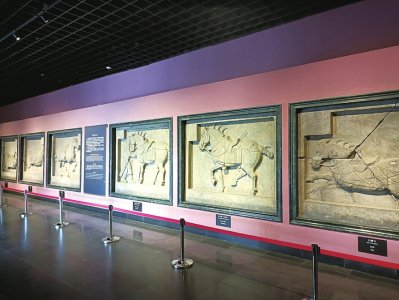
Core Perspective - The articles explore the significance of horses in Chinese civilization, highlighting their roles as symbols of power, nobility, and auspiciousness throughout history. They detail various legendary horses and their associations with emperors and historical figures, emphasizing the cultural and strategic importance of these steeds in ancient China [2][6][8]. Group 1: Mythical and Historical Horses - The articles describe mythical horses such as the "腾黄" (Teng Huang) and "飞兔" (Fei Tu), which are believed to possess extraordinary abilities and longevity, symbolizing auspiciousness in ancient texts [2][3]. - Historical accounts mention the "穆王八骏" (Eight Steeds of King Mu), each with unique attributes, showcasing the legendary status of these horses in the context of imperial power [5][6]. - The "昭陵六骏" (Six Steeds of Zhao Ling) are noted for their association with Emperor Taizong of the Tang Dynasty, reflecting the military prowess and cultural significance of these horses [7][8]. Group 2: Horses as Strategic Assets - Horses are identified as crucial strategic resources in ancient warfare, with notable steeds like the "七骏" (Seven Steeds) of Qin Shi Huang symbolizing the might of the Qin Dynasty [6][7]. - The articles highlight the role of horses in the expansion of empires, with specific breeds like the "汗血马" (Sweat Blood Horse) being introduced to enhance military capabilities and facilitate cultural exchanges [7][8]. - The significance of horses extends to their representation in art and literature, with various dynasties commissioning artworks to commemorate these legendary animals, further embedding them in the cultural fabric of Chinese history [9][10].