
奥斯卡颁奖典礼

Search documents
奥斯卡放弃迪士尼旗下ABC转投流媒体,几家欢乐几家愁
Xin Lang Cai Jing· 2025-12-25 13:18
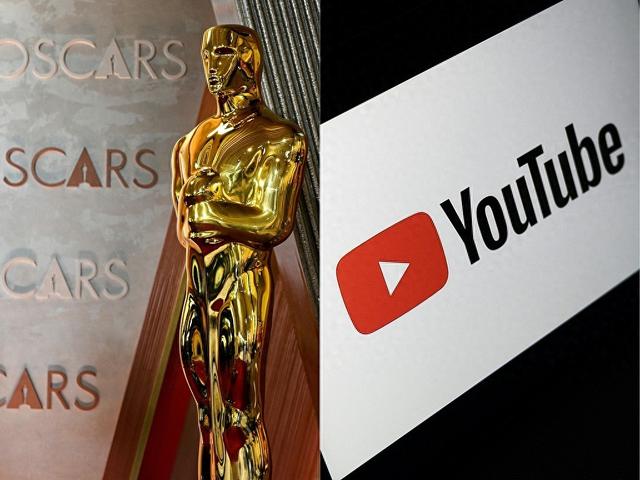
Core Viewpoint - The Academy of Motion Picture Arts and Sciences has signed an agreement with YouTube to grant exclusive global streaming rights for the Oscars, starting from the 101st Academy Awards in 2029 and lasting until at least 2033, marking the end of ABC's long-standing broadcasting rights since 1976 [1][3][4]. Group 1: Agreement Details - The agreement allows for free live streaming of the Oscars, including red carpet coverage and behind-the-scenes content, on YouTube, potentially featuring multi-language subtitles and audio tracks to reach a growing global audience [1][3]. - YouTube's bid for the Oscars exceeded nine figures, surpassing other competitors, indicating a significant investment in acquiring high-profile content [4]. Group 2: Industry Impact - The loss of the Oscars by ABC and Disney represents a broader transformation in the traditional broadcasting industry, which has been declining globally, with high-profile live events like the Oscars seen as the last stronghold of traditional TV [3][4]. - The Oscars have experienced a significant decline in viewership since the late 1990s, with the lowest ratings recorded in recent years, prompting the Academy to seek new strategies to engage audiences [5][8]. Group 3: ABC and Disney's Position - ABC and Disney attempted to negotiate a lower broadcasting fee due to declining viewership, but the Academy opted to part ways, reflecting ongoing tensions regarding content direction and audience engagement strategies [4][8]. - Despite losing the Oscars, ABC retains substantial broadcasting rights for various sports events, which continue to attract large audiences, indicating that traditional networks still hold value in live sports broadcasting [10]. Group 4: YouTube's Strategy - YouTube's acquisition of the Oscars is seen as a move to position itself as a legitimate platform for film and entertainment, aiming to attract Hollywood talent and enhance its content offerings [12]. - The transition to YouTube is viewed as an opportunity for innovation, as the platform seeks to redefine how major events like the Oscars are presented to audiences [12].



美民调显示:美国人关注颁奖典礼的方式发生显著变化
Huan Qiu Shi Bao· 2025-09-15 22:42
Group 1 - The core viewpoint of the articles highlights that traditional entertainment award shows like the Oscars, Emmys, and Grammys continue to attract significant attention from American audiences, albeit in changing ways [1][2] - Approximately half of American adults reported watching all or most of the major award shows via television or streaming in the past year, with over 60% having viewed both live broadcasts and edited clips [1] - The 97th Academy Awards in March attracted over 20 million viewers, marking the highest ratings in five years, although this figure is significantly lower than the 50 million viewers for the 1998 Oscars [1] Group 2 - Older audiences are finding the increasing length of award shows challenging, leading them to either glance at live broadcasts or wait for edited clips [2] - Award shows like the American Music Awards and Latin Grammys are actively trying to broaden their appeal to younger and minority audiences, with about 70% of Black and Hispanic adults having watched these shows or clips in the past year, compared to around 50% of White viewers [2]