孕马尿

Search documents
快马扬鞭踏春行
Xin Lang Cai Jing· 2026-02-19 21:59
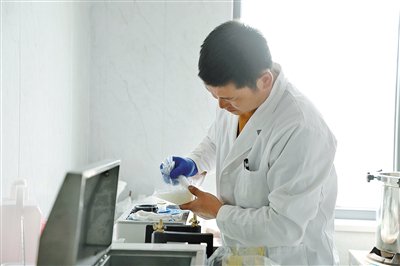
Group 1: Industry Overview - The horse industry in Inner Mongolia is experiencing diversification, moving beyond traditional breeding and trading to include biotechnology applications such as the use of pregnant mare urine and serum in pharmaceuticals and cosmetics [5][6][7] - The total livestock population in the Damao Banner is stable at over 1.2 million, with approximately 60,000 horses, including 45,000 breeding mares [5] Group 2: Economic Impact - The pregnant mare serum project has signed contracts with 17 herders, covering 1,500 pregnant mares, with each mare potentially increasing herder income by 4,000 yuan annually [6] - The hybrid breeding project has successfully bred 560 Mongolian horses for 30 herders, indicating a profitable venture for the local economy [6] Group 3: Cultural Integration - The integration of horse culture with tourism is evident, as events like horse racing attract over 180,000 visitors, enhancing the cultural and economic vitality of the region [7] - The establishment of eco-friendly family ranches in Urat Middle Banner showcases the blending of traditional livestock farming with modern tourism, contributing to local economic growth [9][10] Group 4: Heritage and Craftsmanship - The Mongolian horse gear-making technique is recognized as a national intangible cultural heritage, reflecting the deep-rooted horse culture in the region [15][16] - The production of traditional horse gear combines various crafts, ensuring the preservation and promotion of cultural heritage while adapting to modern market demands [15][16] Group 5: Innovative Products - The production of fermented mare's milk (sour mare's milk) is gaining popularity, with a focus on health benefits and traditional Mongolian dietary practices, leading to the establishment of a specialized industry [17][18] - The sour mare's milk industry has expanded to include partnerships with local hospitals for health-related applications, showcasing the potential for traditional products in modern health markets [18]