马文化

Search documents
“一匹马”里的 文化传承与共鸣
Xin Lang Cai Jing· 2026-02-26 22:49
Core Viewpoint - The article highlights the cultural significance of the horse in Chinese tradition, especially in the context of the upcoming Year of the Horse, showcasing various artistic expressions and products that embody this cultural symbol [4][5][6]. Group 1: Cultural Exhibitions - Numerous cultural institutions are hosting exhibitions themed around horse culture to celebrate the Year of the Horse, attracting significant visitor interest [5]. - The exhibitions aim to explore the historical context of horse culture in China, emphasizing its role as a symbol of strength and spirit [5][6]. - The horse is portrayed not just as a transportation tool but as a vital cultural symbol deeply integrated into the lives of nomadic peoples, particularly in Inner Mongolia [5][6]. Group 2: Artistic Representations - Various artistic forms, including snow sculptures and large-scale performances, are being utilized to celebrate horse culture, demonstrating its evolving representation in contemporary society [7]. - The integration of horse imagery into modern art and performances reflects a renewed cultural vitality, showcasing the emotional connection between humans and horses [7][8]. - Traditional craftsmanship is being combined with modern design to create horse-themed products, enhancing the cultural relevance of the horse in everyday life [8]. Group 3: Consumer Products - The approach to horse-themed products has shifted, with a wide range of items, from toys to jewelry, becoming popular among consumers as symbols of good fortune and well-being [8]. - The demand for horse-themed merchandise indicates a successful fusion of traditional culture with modern consumer needs, making these cultural symbols accessible and relevant [8]. - The popularity of these products in various marketplaces reflects a broader trend of cultural symbols invigorating market dynamics and consumer engagement [8].

藏在文物里的马文化
Huan Qiu Shi Bao· 2026-02-26 22:46
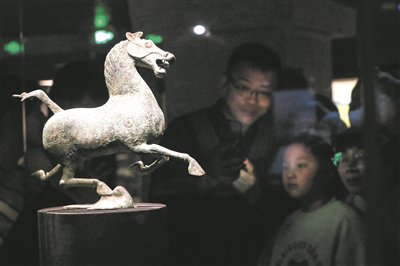
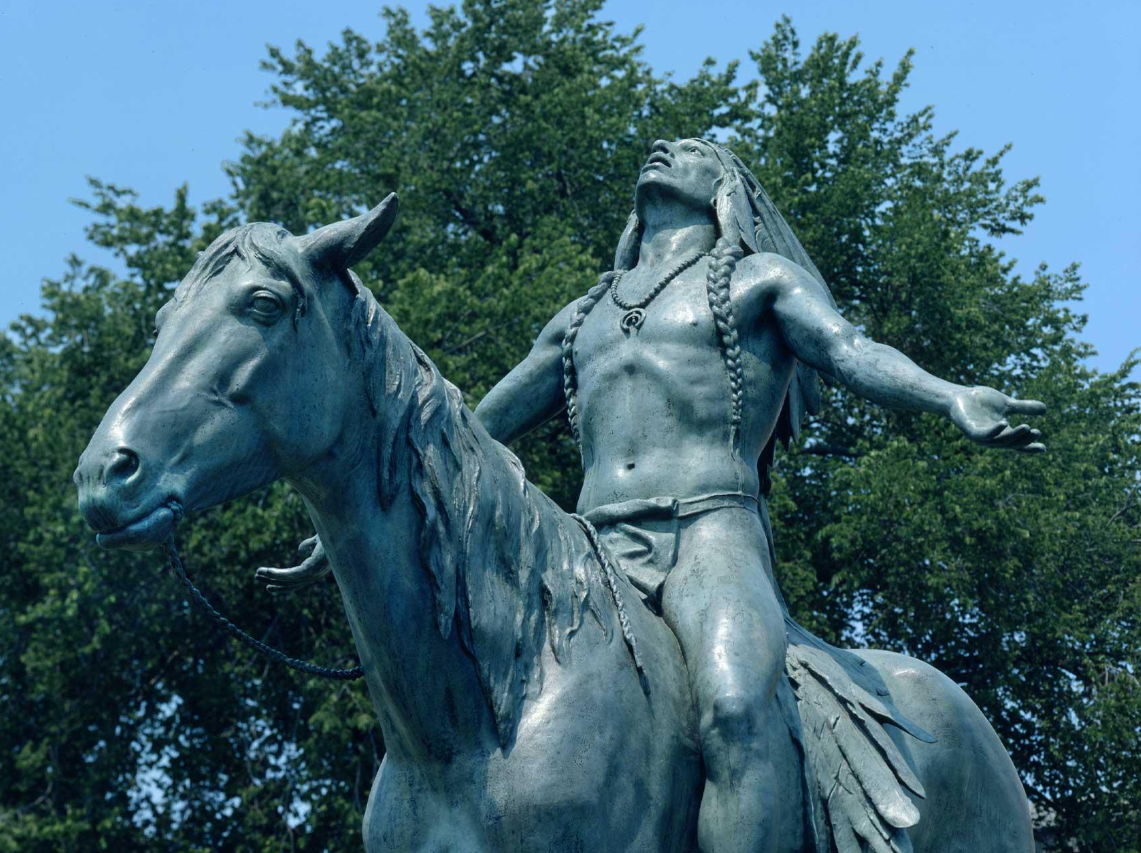
Group 1: Cultural Significance of Horses - Horses have played an irreplaceable role in human civilization, serving as companions and symbols across various cultures, including the Silk Road, Native American traditions, and German equestrian sports [1] - In North America, horses were reintroduced by Spanish settlers and became integral to Native American life, facilitating hunting and cultural expression through art [2][4] - In China, horses symbolize aspirations and have been significant in historical development, with exhibitions showcasing over 120 artifacts related to horses in Chinese culture [5][6][8] Group 2: Historical Context and Art - The historical significance of horses in China dates back over 3,700 years, with archaeological findings indicating their early domestication and use in warfare [5][6] - In Germany, horse culture is deeply rooted, with a strong emphasis on equestrian sports that are accessible to the general public, reflecting a modern knightly spirit [9][10] - The "Golden Man" artifact from Kazakhstan illustrates the cultural importance of horses, depicting them as symbols of power and identity in ancient nomadic societies [12][13] Group 3: Contemporary Relevance - In Kazakhstan, horses remain central to cultural practices, with equestrian events being key components of public celebrations and national identity [13] - The ongoing appreciation for horses in various cultures highlights their enduring legacy as symbols of strength, freedom, and social status [10][12]
马年,带你认识各种马
Xin Lang Cai Jing· 2026-02-26 16:38
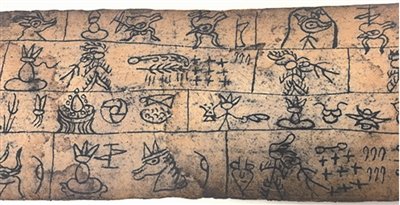
Group 1 - The article explores the cultural significance of horses across various ethnic groups in China, highlighting their roles in mythology, art, and daily life [8] - The Naxi ethnic group's Dongba scriptures depict horses as sacred intermediaries between humans and deities, emphasizing their importance in rituals and ceremonies [3] - The She ethnic group's ancestral scrolls feature horses in migration narratives, showcasing their narrative function and historical significance [4] Group 2 - In shadow puppetry, horses are a common motif, with diverse regional styles reflecting local artistic expressions [6] - The Morin Khuur, a traditional Mongolian instrument, symbolizes cultural identity, with its craftsmanship reflecting the significance of horses in Mongolian heritage [6] - The Oroqen ethnic group's wooden horse toys exhibit unique styles, with detailed craftsmanship that captures the essence of horses in their culture [6] Group 3 - The Dai ethnic group's silver betel nut boxes are intricately designed, often featuring horse motifs, which highlight the artistic skills and cultural practices of the Dai people [7] - The article emphasizes the importance of horses in various cultural artifacts, illustrating their multifaceted roles in different ethnic traditions [8]
东西问|刘悦笛:马为何是东西共通的审美意象?
Xin Lang Cai Jing· 2026-02-26 12:28
Core Perspective - The article discusses the cultural significance of the horse as a universal aesthetic symbol that transcends cultural differences and time periods, highlighting its evolution from a practical transportation tool to a spiritual and cultural icon in modern society [3][11]. Group 1: Cultural Interaction - The interaction between Chinese and Western cultures is exemplified by the creative use of the character Malfoy from "Harry Potter," which has been humorously adapted into Chinese cultural expressions, showcasing a light-hearted cultural exchange [4]. - The phenomenon of "马年尔等有福" reflects a unique blend of cultural elements, where the character's name is transformed into a symbol of good fortune in the context of the Chinese New Year, indicating a new paradigm of cultural interaction that emphasizes humor over seriousness [4]. Group 2: Popularity of Chinese Dolls - The rise of the Chinese doll "哭哭马," which gained international attention despite its unconventional design, illustrates a cultural diaspora where identities are mixed and redefined in different contexts [5]. - The doll's appeal lies in its emotional resonance with audiences, as its design reflects a "negative" yet relatable expression, creating a connection with consumers in various countries [5]. Group 3: Symbolism of the Horse - The horse is universally regarded as a symbol of loyalty, bravery, and hard work across cultures, which contributes to its esteemed status in both Eastern and Western traditions [7]. - In Chinese culture, the horse is seen as a "gentlemanly beast," embodying qualities such as loyalty and diligence, while also representing auspiciousness and success [7]. Group 4: Design and Aesthetics - The horse serves as a focal point for designers in both Eastern and Western contexts, symbolizing nobility and elegance, and is often associated with luxury and status [9]. - The historical significance of the horse in European culture, particularly in relation to chivalry and nobility, parallels its representation in Chinese art and culture, where it signifies status and power [9][11]. Group 5: Contemporary Value of Horses - In modern society, the horse's role has shifted from a practical utility to a cultural symbol, particularly evident during the Lunar New Year celebrations, where horse imagery is prevalent [11]. - The horse continues to play a significant role in various cultural practices, including sports and diplomacy, reinforcing its status as a symbol of prestige and respect [11][13].

马舞新春续文脉 博物馆里过大年
Xin Lang Cai Jing· 2026-02-26 11:30
Core Viewpoint - The article highlights the significant increase in visitor numbers at museums across China during the Spring Festival, emphasizing the cultural importance of celebrating the New Year in museums through various exhibitions and interactive experiences that connect the public with traditional Chinese culture [1][2]. Group 1: Special Exhibitions - Museums across the country focused on high-quality exhibitions centered around the "horse" theme, showcasing the vitality of zodiac culture and allowing visitors to understand history and civilization through artifacts [2]. - The National Museum of China featured the "Galloping Horse" exhibition, displaying significant artifacts like a tri-colored glazed horse and the "Eighteen Steeds" scroll, which illustrate the deep cultural connection to horses in Chinese history [2]. - The Palace Museum launched an online exhibition featuring horse-themed artifacts, allowing audiences to explore the cultural significance of horses from the Ming and Qing dynasties [2][4]. Group 2: Interactive Experiences - Various museums offered hands-on activities, such as the "Horse Year Inlay Painting Experience" at the Shanghai Museum, where children created art inspired by traditional techniques, enhancing engagement with cultural heritage [6][8]. - The China Science and Technology Museum combined science education with festive activities, allowing children to learn physics through games while celebrating the New Year [7]. - The Inner Mongolia Museum hosted numerous cultural activities, including performances and interactive experiences, to immerse visitors in local traditions during the holiday [7]. Group 3: Cross-Regional Collaboration - Museums in the Beijing-Tianjin-Hebei region collaborated to create a cultural feast, featuring horse-themed collections and live-streamed events to connect audiences across different locations [10]. - The Palace Museum partnered with the Zhejiang Provincial Museum to present an exhibition on the history of the imperial examination system, showcasing the cultural achievements of scholars [10]. - Over 200 museums in Zhejiang province organized a large number of exhibitions and traditional activities, promoting a shared cultural atmosphere during the New Year [10]. Group 4: International Engagement - The Sydney Chinese Cultural Centre and other organizations hosted a "Happy Spring Festival" event, attracting over 2,000 participants to experience Chinese New Year traditions, highlighting the importance of cultural exchange [11]. - The event featured activities such as traditional games and calligraphy, allowing overseas audiences to engage with Chinese culture in a festive setting [11]. Group 5: Overall Impact - The diverse range of exhibitions and activities during the Spring Festival not only enriched the cultural experience for visitors but also demonstrated the vitality of traditional Chinese culture, making museums a central part of the New Year celebrations [1][11].
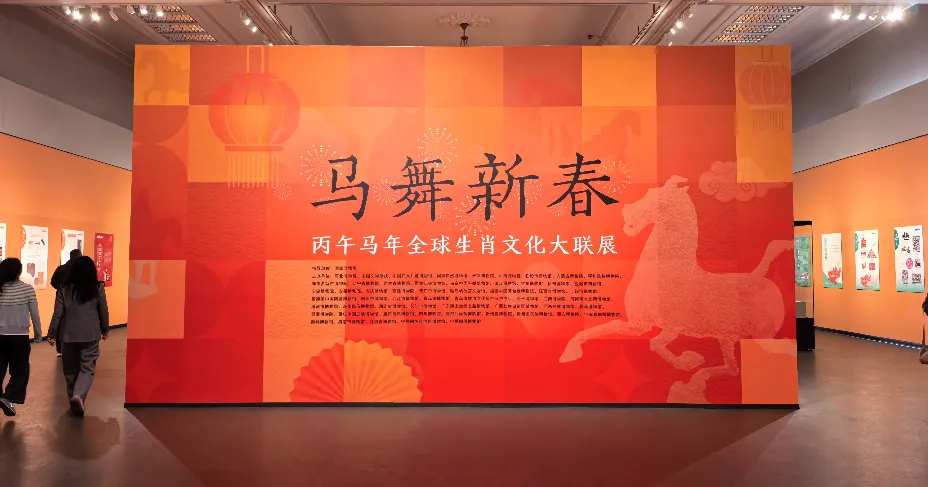
从博物馆到美术馆 跃马扬鞭踏进马年
Xin Lang Cai Jing· 2026-02-25 17:54
Core Viewpoint - The article highlights the significance of horses in Chinese culture, history, and art, emphasizing their role as symbols of power, vitality, and cultural identity throughout various dynasties and eras [2][4][15]. Group 1: Historical Significance of Horses - Horses have been integral to human civilization since their domestication, serving as partners in hunting and migration, with archaeological evidence dating back 45,000 years [2]. - In ancient China, horses were considered vital for agriculture and warfare, being included in sacrificial rites and depicted in various historical artifacts [2][3]. - The importance of horses is reflected in historical texts, where they are described as essential to national strength and military capability [2][4]. Group 2: Cultural Representations of Horses - The artistic representation of horses spans from ancient rock paintings to modern artworks, showcasing their significance in various cultural contexts [9][12]. - Notable examples include the "Copper Galloping Horse" from the Han Dynasty, which exemplifies advanced bronze casting techniques and symbolizes the spirit of the era [3][4]. - The depiction of horses in literature and art reflects their multifaceted roles in society, from symbols of nobility to representations of everyday life [11][15]. Group 3: Horses in Folklore and Beliefs - Horses are deeply embedded in Chinese mythology and folklore, often associated with auspicious meanings and cultural practices, such as the zodiac [13][14]. - The concept of horses as protectors and symbols of good fortune is prevalent in various cultural artifacts, including decorations and games [14][15]. - The integration of horses into daily life and celebrations illustrates their enduring significance in Chinese culture, representing vitality and progress [15].
蜀地马鸣回响千年:藏在四川文物中的万马奔腾
Xin Lang Cai Jing· 2026-02-24 19:19
Core Viewpoint - The article highlights the significance of horse culture in Sichuan, China, particularly during the Han Dynasty, showcasing various horse-related artifacts that reflect the region's historical and cultural ties to horses [8][12]. Group 1: Historical Significance - Horses were an essential part of ancient Chinese culture, symbolizing progress, strength, and resilience, particularly in Sichuan [8]. - Artifacts from the Han Dynasty, such as bronze horses and image bricks, illustrate the importance of horses as transportation and military assets [10][12]. - The establishment of a comprehensive horse management system during the reign of Emperor Wu of Han elevated horses to a strategic national resource [12]. Group 2: Artifacts and Cultural Representation - Various artifacts, including bronze horses, wooden lacquer horses, and image bricks, depict horses in different forms, showcasing their roles in transportation and ceremonial practices [10][11]. - The artistic representation of horses in Sichuan artifacts reflects both realistic and imaginative interpretations, with some pieces featuring winged horses symbolizing ascension [11][13]. - The discovery of horse-related artifacts in Sichuan, such as the bronze horse from Qingbaijiang and the copper horse and carriage from Yanjing, highlights the region's rich craftsmanship and cultural heritage [11][12]. Group 3: Cultural Exchange and Influence - The presence of horse artifacts in Sichuan indicates a blend of various cultural influences, including those from the Eurasian steppes and northern cultures, contributing to a diverse cultural landscape [12][13]. - The artifacts serve as a testament to the thriving trade routes and cultural exchanges that characterized the region, particularly during the Han Dynasty [12][13]. - The ongoing appreciation for horse culture in Sichuan is evident in the continued interest in these artifacts, which are celebrated for their historical and artistic value [13].
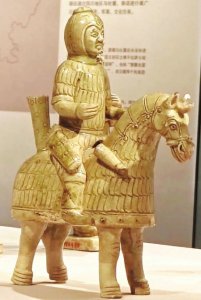
跃马千年 踏春而来
Xin Lang Cai Jing· 2026-02-23 22:47
Core Viewpoint - The exhibition "Leaping Horse and Whipping" at the National Museum of China showcases over 120 exquisite artifacts related to horses, highlighting the deep cultural significance and historical evolution of horse imagery in Chinese civilization [11][12]. Group 1: Exhibition Overview - The exhibition features five thematic units: "Excellent Horses Accompanying Civilization," "Chariots and Horses in Rituals," "Craftsmanship of Saddles and Bridles," "Hoof Sounds Across Miles," and "Divine Steeds Through the Ages" [11]. - It is supported by six cultural institutions, including the Gansu Provincial Museum and the Qin Shi Huang Mausoleum Museum [11]. Group 2: Historical Artifacts - The oldest horse artifact in the exhibition is the saddle horse figurine from the Qin Dynasty, reflecting the rigorous standards for selecting warhorses during that era [12]. - The Tang Dynasty black-glazed horse figurine is highlighted as a star artifact, showcasing the evolution of horse sculpture styles from the Qin and Han periods to the more dynamic representations of the Tang [13]. Group 3: Cultural Significance of Horses - In ancient China, horses were crucial for transportation and military activities, and they played a significant role in the ritual and governance systems [14]. - The exhibition includes artifacts that illustrate the management and breeding of horses, such as the "Horse Management" system from the Zhou Dynasty [15]. Group 4: Artistic Representations - The exhibition features a variety of horse-themed artworks, including jade carvings, ceramics, and paintings, reflecting the enduring cultural significance of horses in Chinese art [18]. - The "Four Horses" porcelain bowl from the Qing Dynasty symbolizes peace and prosperity, showcasing the horse's role in cultural narratives [18]. Group 5: Cultural Exchange and Influence - The exhibition highlights the influence of foreign horse culture on Chinese civilization, particularly through artifacts that reflect the cultural exchanges along the Silk Road [17]. - The Tang Dynasty horse figurines and murals depict the popularity of horse-related activities, such as polo, which originated from Persia and became a noble pastime in China [17]. Group 6: Future Engagement - The National Museum has designed a series of cultural products related to the exhibition, aiming to engage a broader audience and promote the cultural significance of horses [19]. - The exhibition is set to last for three months, providing ample opportunity for public engagement and education [20].
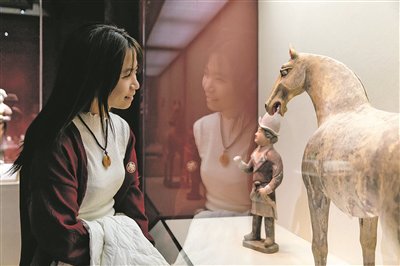
字里识“马”
Xin Lang Cai Jing· 2026-02-23 02:13
Group 1 - The article emphasizes the significance of the character "马" (horse) in Chinese culture, highlighting its various representations and the deeper meanings associated with it [1][2][4] - Different horse breeds symbolize unique values and characteristics, reflecting the diversity of life and the importance of finding one's own strengths [1][3] - The text illustrates how the attributes of horses, such as speed and resilience, serve as metaphors for personal growth and the pursuit of change in challenging circumstances [2][4] Group 2 - The article discusses the rich symbolism of horse colors and patterns in Chinese literature, showcasing how these elements contribute to the cultural narrative surrounding horses [3] - It conveys a message that embracing one's true self and individuality is essential for achieving success, rather than imitating others [3][4] - The piece concludes with a motivational call for individuals to strive for excellence and transformation, akin to the spirited nature of horses [4]
字里识“马”,笔墨间识得其名其性
Xin Lang Cai Jing· 2026-02-23 02:13
Group 1 - The article emphasizes the deeper meanings and cultural significance of the character "马" (horse) in Chinese, highlighting its representation of various life paths and the importance of finding one's own strengths and positioning in life [2][5] - Different horse breeds are described, each symbolizing unique qualities and resilience, such as the Przewalski's horse representing wildness and freedom, and the Mongolian horse showcasing endurance in harsh conditions [2][3] - The text reflects on the historical and literary connections of horses in Chinese culture, illustrating how they embody ideals of ambition, perseverance, and the pursuit of dreams [3][4] Group 2 - The article discusses the various colors and patterns of horses, linking them to historical figures and literary references, which serve as metaphors for individual uniqueness and the importance of authenticity [4][5] - The character "马" is analyzed in terms of its structure and representation, showcasing how it embodies the spirit of galloping and striving forward, which is a cultural legacy passed down through generations [4][5] - The overall message encourages individuals to embrace change and strive for personal growth, using the metaphor of horses to inspire a dynamic and proactive approach to life [5]