
宝可梦NFT卡牌

Search documents
一张卡拍出上百万元! 谁在为宝可梦NFT疯狂买单?
Mei Ri Jing Ji Xin Wen· 2025-10-29 15:33
Core Insights - The rise of Pokémon cards as a new investment asset class is gaining traction, with returns significantly surpassing traditional stock markets [3][6][10] - The integration of blockchain technology is transforming physical collectibles into digital assets, enhancing their liquidity and marketability [3][9][10] Investment Potential - Pokémon cards have shown a cumulative return rate of 3821% since 2004, outperforming the S&P 500 index's 483% increase during the same period [6] - Rare cards, especially those graded by professional services like PSA and BGS, command significant premiums in the secondary market, with some cards selling for hundreds of thousands to millions of dollars [5][6] Market Dynamics - The rarity and collectibility of cards create a natural trading mechanism, with players often needing to buy or trade cards to complete their collections [4][7] - The market's sustainability relies on the management of supply and demand, including controlling the issuance of new cards to maintain their scarcity [7][10] Blockchain Integration - Platforms like Collector Crypt are facilitating the transition of physical cards to digital assets, allowing users to purchase NFT versions of Pokémon cards, thus broadening the market [3][8][9] - The Gacha-style card purchasing model has seen significant engagement, with Collector Crypt reporting over 1.14 billion USD in revenue from card sales [8] Cultural and Generational Appeal - Pokémon's cross-generational appeal and established cultural significance contribute to its status as a viable investment option for younger investors [9][10][14] - The growth of Pokémon in China, driven by local tournaments and new game releases, is expected to further enhance its market presence [14][15] Regulatory Considerations - The financialization of collectibles like Pokémon cards raises questions about regulatory oversight, with potential for future regulations to govern trading practices and protect investors [10][15]

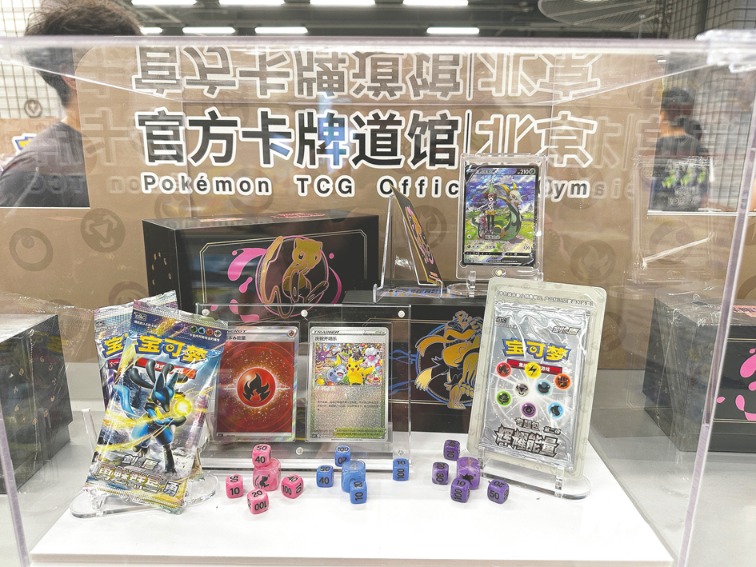
累计回报率高达3821%,这个IP一张卡甚至拍出上百万元!谁在买?
Mei Ri Jing Ji Xin Wen· 2025-10-29 07:00
Core Insights - The rise of Pokémon cards as a new investment asset class is gaining traction, with returns significantly outperforming traditional stock markets [2][7] - The integration of blockchain technology is transforming physical card trading into digital assets, enhancing their liquidity and marketability [2][9] Group 1: Investment Potential - Pokémon cards have shown a cumulative return rate of 3821% from 2004 to present, far exceeding the S&P 500's 483% increase during the same period [7] - Rare cards, especially those graded by professional services like PSA and BGS, command significant premiums in the secondary market, with some cards selling for hundreds of thousands to millions of dollars [6][11] - The market for Pokémon cards is projected to grow, with estimates suggesting the global card market could reach $5.09 billion by 2028, reflecting a 46% growth from 2022 [11] Group 2: Market Dynamics - The rarity and collectibility of cards create a natural trading mechanism, with players often needing to buy or exchange cards to complete their collections [5][6] - The success of Pokémon cards is attributed to their established IP, which has created a loyal fan base and a robust secondary market [13][15] - The introduction of platforms like Collector Crypt is facilitating the transition of physical cards into the digital realm, allowing for NFT-based trading and enhancing user engagement [9][12] Group 3: Challenges and Considerations - The sustainability of the Pokémon card market relies on the management of supply and demand by the official entities, as oversaturation could lead to a decline in value [7][12] - The current regulatory environment for collectible financialization in China is still developing, posing potential risks for investors [12][18] - The market's growth is contingent on the establishment of a mature secondary market infrastructure, including grading systems and trading platforms [18]
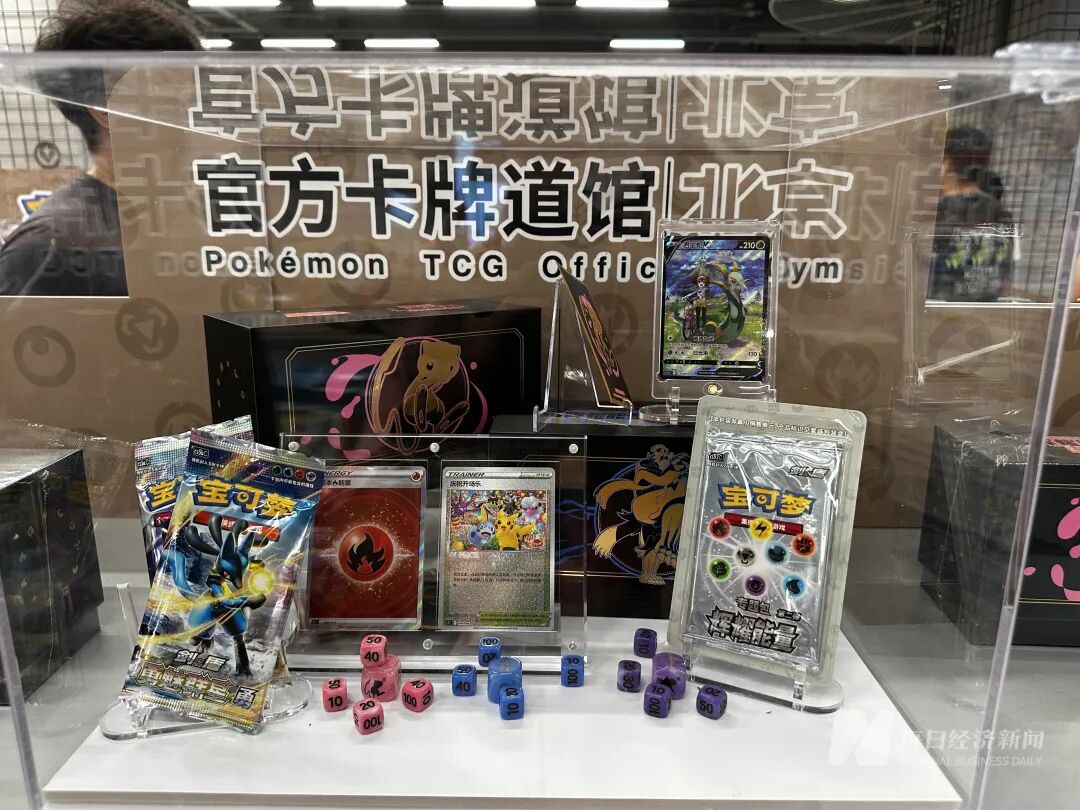
一张卡拍出上百万元!谁在为宝可梦NFT疯狂买单?
Mei Ri Jing Ji Xin Wen· 2025-10-28 12:07
Core Insights - The rise of Pokémon cards as a new investment asset class is gaining traction, with returns significantly outperforming traditional stock markets [1][5][13] - The integration of blockchain technology is transforming physical card trading into digital assets, enhancing liquidity and market participation [1][10][11] Group 1: Investment Potential - Pokémon cards have shown a cumulative return rate of 3821% from 2004 to present, far exceeding the S&P 500's 483% increase during the same period [5][13] - The rarity and collectibility of cards create a market dynamic similar to financial assets, with high-value cards commanding significant premiums [3][4][5] - The market for Pokémon cards is projected to grow, with an estimated global market size of $5.09 billion by 2028, reflecting a 46% increase from 2022 [12] Group 2: Market Dynamics - The trading of Pokémon cards is driven by rarity, with high-demand cards often leading to a secondary market where prices can soar [2][3][4] - Platforms like Collector Crypt are facilitating the transition of physical cards to digital assets, allowing users to purchase NFT versions of cards, thus broadening the market [7][10] - The average spending per user on platforms like Collector Crypt is approximately $18,000, indicating strong engagement and interest in card trading [8] Group 3: Cultural and Economic Factors - The Pokémon brand has a unique cross-generational appeal, supported by a robust ecosystem that includes games, anime, and trading cards, which enhances its market stability [14][17] - The recent surge in interest in Pokémon cards in China is attributed to a growing consumer base and the introduction of local tournaments and events [16][17] - The cultural significance and nostalgia associated with Pokémon contribute to its value as an investment, as collectors are often willing to pay a premium for rare items [14][16] Group 4: Regulatory Considerations - The financialization of Pokémon cards is still in its infancy in China, with a lack of established secondary market infrastructure and regulatory frameworks [20] - Future regulations may focus on the issuance and trading of cards, ensuring compliance and protecting investors from potential fraud [20]
