小报春

Search documents
春天已上线 一起来赏花
Xin Lang Cai Jing· 2026-02-20 17:35
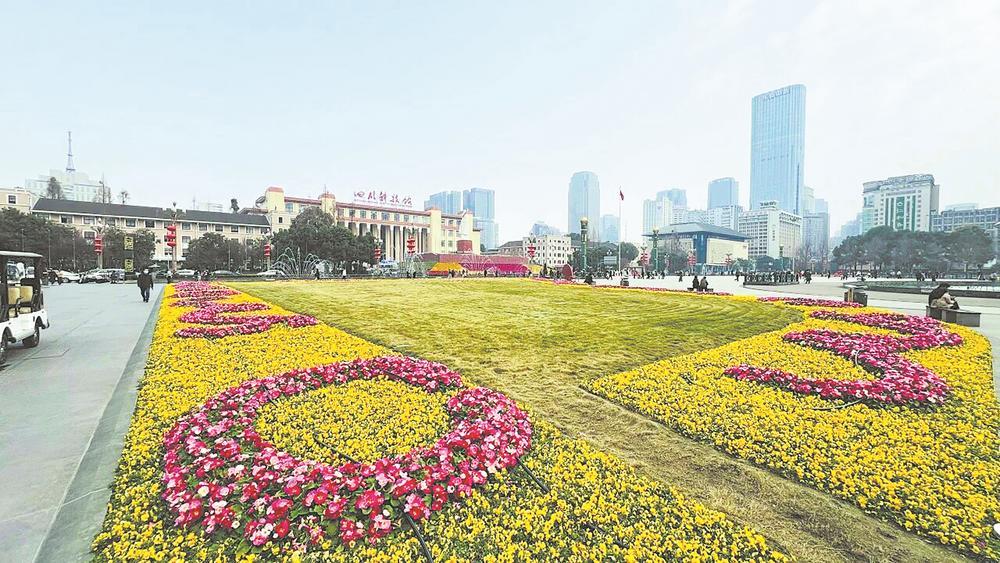
Core Viewpoint - The article highlights the blooming of the native plant "Xiaobaochun" in Chengdu during the Spring Festival, showcasing the city's floral beauty and promoting local tourism through flower viewing activities [3]. Group 1: Flower Blooming and Tourism - Xiaobaochun, a native plant, is flourishing in Chengdu's streets, creating a vibrant floral landscape during the Spring Festival [3]. - The Sichuan Horticultural Center, in collaboration with Sichuan Agricultural University, has developed new varieties of Xiaobaochun that have a longer blooming period (from December to early April) and are more adaptable [3]. - Three recommended flower viewing routes have been proposed: 1. Artistic Youth Route: Morning tea and flower viewing at People's Park, photo opportunities at Tianfu Square, and exploration at Cultural Park in the afternoon [3]. 2. Family Fun Route: Morning visit to the Panda Base, lunch at a nearby farmhouse, and treasure hunting at the zoo in the afternoon [3]. 3. Urban Exploration Route: A self-driving tour along the Third Ring Road, People's South Road, and Tianfu Avenue to enjoy the city's floral displays [3].

街头巷尾皆美景 乡土植物贺新春
Xin Lang Cai Jing· 2026-02-12 17:28
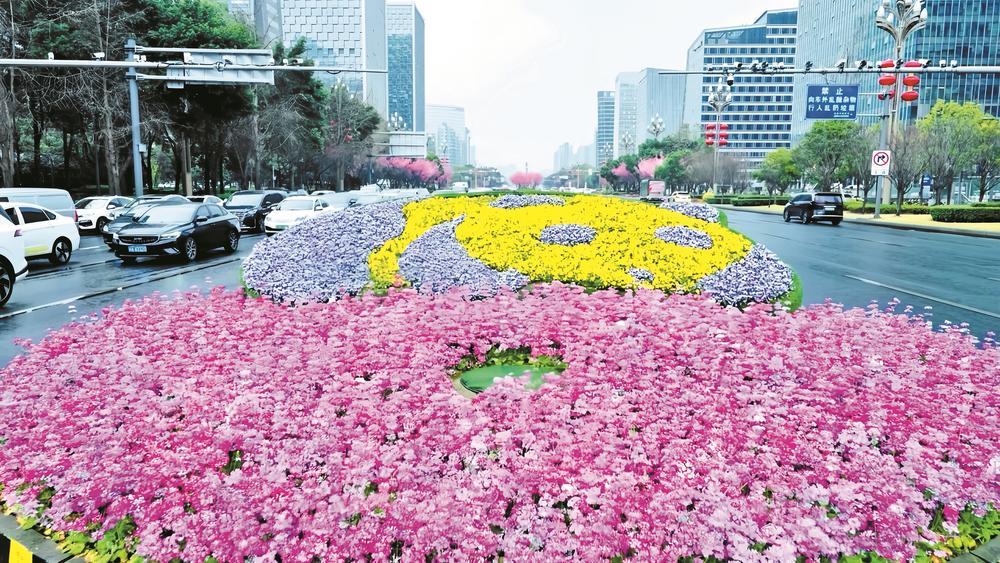
Group 1 - The core viewpoint of the article highlights the completion of the greening atmosphere project in Chengdu ahead of the Spring Festival, showcasing local flora to enhance the festive environment [3] - The project features the introduction of 12 types of native plants, including small reports and blue盆花, which are adapted to the local climate and reflect regional characteristics, contributing to the "Chengdu floral card" [3] - Major urban thoroughfares and key nodes, such as Tianfu Interchange and Second Ring Road, have been transformed into "flower corridors" using cold-resistant and wind-resistant varieties like azaleas and large-flowered begonia, creating a dynamic visual effect of "flowers moving with the cars" [3] Group 2 - The greening initiative focuses on urban transportation hubs, enhancing the aesthetic appeal of gateway landscapes to provide visitors with an immediate sense of the festive atmosphere in Chengdu [3]
80万盆本土小报春“走”上街头
Xin Lang Cai Jing· 2026-01-17 17:41
Core Viewpoint - Chengdu has successfully cultivated 800,000 pots of local primroses, showcasing the city's commitment to developing native plant species and enhancing local horticulture [1] Group 1: Cultivation and Research - The cultivation team has established comprehensive seedling and maintenance technical standards for the "self-sowing and self-growing" process, covering aspects from seed storage to pest control [1] - Chengdu has developed multiple new varieties of primroses, creating a unique "primrose family" that reflects local characteristics [1] - Future research will focus on breeding double-petal primroses, along with other native plants such as two-headed hair and inverted teapot plants [1]
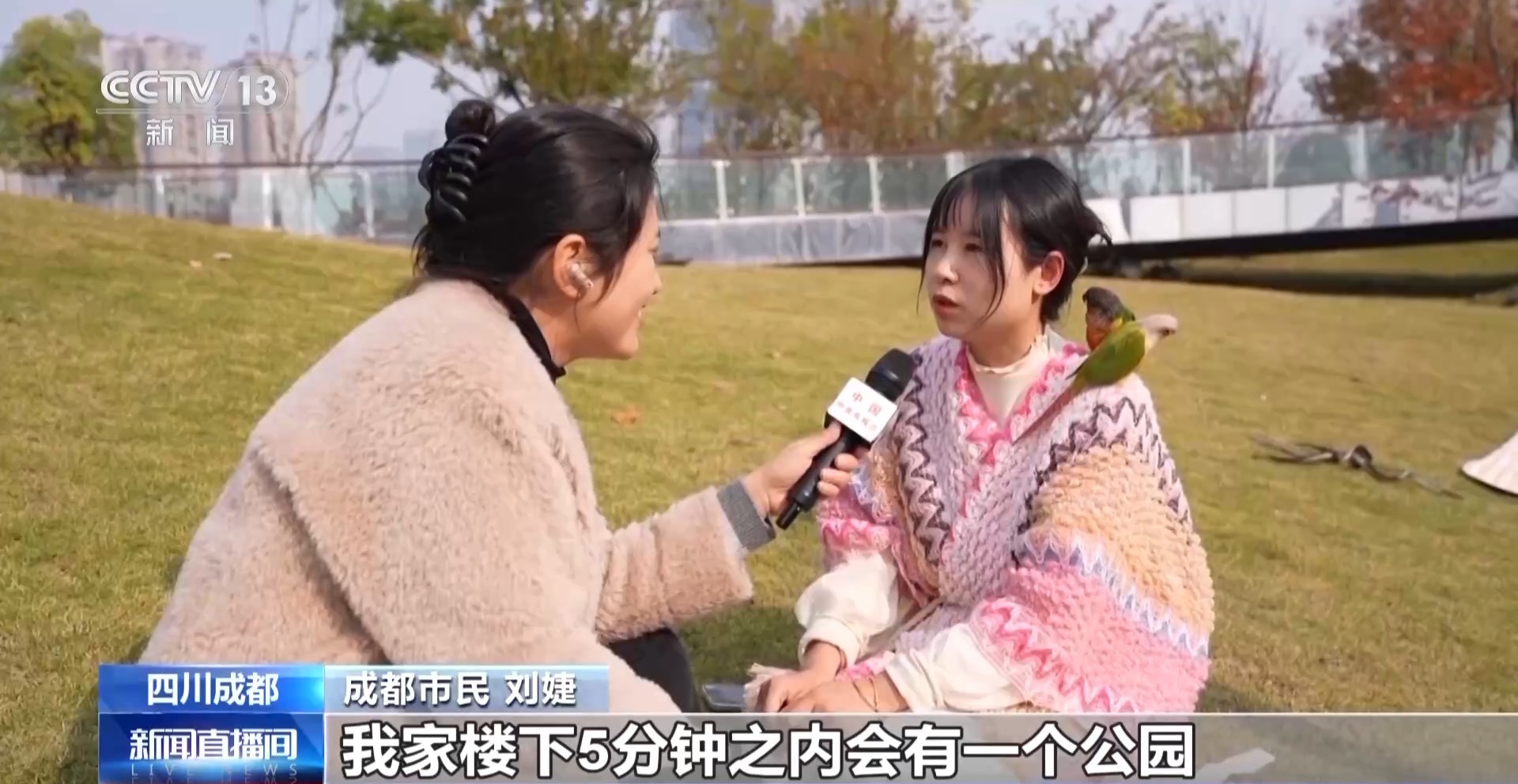
视频丨“300米见绿,500米见园” 成都打造长效发展“千园之城”
Yang Shi Xin Wen Ke Hu Duan· 2025-12-05 07:57
Group 1 - Chengdu is one of the first national demonstration zones for park city construction, showcasing a variety of parks from pocket parks to urban forest parks, contributing to the vision of a "city of a thousand gardens" [1] - In the past five years, Chengdu has built 343 new parks, bringing the total number of parks to over 1,500, achieving the urban ecological goal of "300 meters to green, 500 meters to parks" [6][8] - The city has a total urban green space area of 53,200 hectares, with a per capita park green space of 11.98 square meters [8] Group 2 - Chengdu's parks are designed to integrate ecology into daily life, with open and accessible spaces that enhance the quality of life for residents [9][11] - The city has created 216 pocket parks and removed over 10,000 meters of walls and hedges to promote open park spaces [15] - The design of parks, such as the Jiazi Park, emphasizes connectivity and integration with urban infrastructure, allowing for a seamless experience for visitors [19][20] Group 3 - Chengdu aims for sustainable park city development by creating long-lasting and visually appealing landscapes, moving beyond temporary aesthetics [29] - The city has developed approximately 160,000 square meters of floral landscapes along main roads and landmarks, ensuring seasonal beauty through careful plant management [31] - The introduction of local plant species, such as the "Little Primrose," has increased from 200,000 pots in 2022 to an expected 800,000 pots by 2025, reducing greening costs by about 25% [39] Group 4 - The Qilong Central Water Wetland Park serves as both a recreational space and a wastewater treatment facility, utilizing treated water for ecological purposes [41] - The park processes nearly 85,000 tons of wastewater daily, creating a closed-loop system that transforms wastewater into a resource for landscape irrigation and urban greening [49]