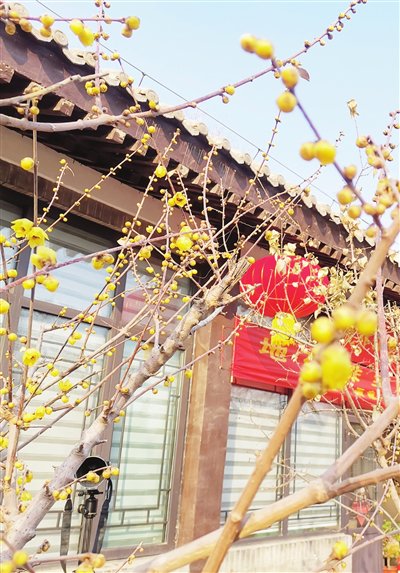
蜡梅

Search documents
湖北宜昌:蜡梅历寒向春开
Huan Qiu Wang· 2026-02-28 01:32
Core Viewpoint - The article highlights the significance of the wax plum flower (蜡梅) in Yichang, Hubei, as a symbol of resilience and cultural identity, marking its importance as the city flower and its role in local heritage and economic development [16][22]. Historical Context - Yichang, historically known as Yiling, has a rich history dating back 7,000 to 8,000 years, and is one of the original habitats of the wax plum flower, which has survived geological changes for millions of years [17]. - The wax plum flower was officially designated as Yichang's city flower in 2011, symbolizing the city's spirit of perseverance and strength [16]. Cultural Significance - The wax plum flower has been celebrated by poets and scholars throughout history, representing beauty and resilience against harsh conditions [19]. - The flower's characteristics, such as blooming in winter and its enduring fragrance, resonate with the local population's identity and cultural values [20][21]. Economic Impact - The appreciation for the wax plum flower has fostered a "flower appreciation economy" in Yichang, with local events and tourism centered around its blooming season [21]. - Yichang has seen a transformation in its industrial landscape, moving from a heavy reliance on chemical industries to a focus on ecological restoration and sustainable development, with the wax plum flower symbolizing this transition [20][22]. Environmental Initiatives - The city has undertaken significant ecological restoration efforts, including the closure and relocation of polluting industries along the Yangtze River, aiming for a sustainable economic model [20][22]. - Yichang's GDP growth is projected at around 6.5% during the 14th Five-Year Plan period, with an increased focus on fine chemicals, reflecting a shift towards environmentally friendly practices [20].

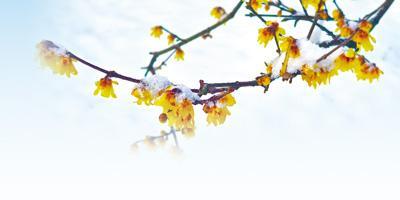
蜡梅历寒向春开(一朵花读懂一座城)
Ren Min Ri Bao· 2026-02-28 00:44
Core Viewpoint - The article highlights the significance of the wax plum flower (蜡梅) in Yichang, Hubei, as a symbol of resilience and cultural identity, reflecting the city's historical and ecological evolution. Group 1: Cultural Significance - The wax plum was designated as the city flower of Yichang in 2011, symbolizing the city's spirit of perseverance and strength [17] - The flower's characteristics, such as its ability to bloom in harsh winter conditions, resonate with the historical struggles and resilience of the Yichang people [21][25] - The wax plum has been celebrated in literature, with historical figures like Ouyang Xiu praising its beauty and tenacity [19][21] Group 2: Historical Context - Yichang, historically known as Yiling, has a rich history dating back thousands of years, and it is one of the original habitats of the wax plum [19] - The flower has survived geological changes and has been cultivated by locals for centuries, becoming an integral part of the region's cultural heritage [20][19] - The discovery of wild wax plums in the 1920s by a British botanist helped to establish Yichang's reputation as the origin of this flower [19] Group 3: Economic and Ecological Development - The city has embraced the wax plum as part of its tourism strategy, with parks and gardens dedicated to the flower, enhancing local economic activities [20][24] - Yichang has faced ecological challenges due to industrialization, leading to initiatives aimed at restoring the environment and promoting sustainable development [22][25] - The city's GDP is projected to grow by approximately 6.5% during the 14th Five-Year Plan period, with a focus on upgrading its chemical industry to be more environmentally friendly [22]
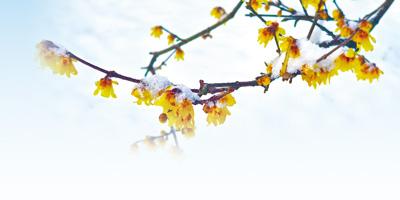
红墙金梅绝配!国家植物园卧佛寺蜡梅进入盛花期
Xin Lang Cai Jing· 2026-02-25 08:43
Core Viewpoint - The article highlights the blooming of wax plums at the National Botanical Garden (North Garden) in Beijing, marking the arrival of early spring and attracting numerous visitors to enjoy the beauty and fragrance of the flowers [3][8]. Group 1: Wax Plum Cultivation - The National Botanical Garden has spent over ten years cultivating various wax plum varieties from regions such as Henan, Jiangsu, and Sichuan, which have now adapted well to Beijing's climate [8]. - There are over a hundred wax plum trees planted in and around the Wofosi Temple, featuring more than ten different varieties and hybrids, showcasing diverse shapes and rich fragrance [8]. Group 2: Historical Significance - A notable ancient wax plum tree, approximately 1300 years old, located in front of the Tianwang Hall, has also bloomed, known as the "Second Bloom" due to its ability to flower again after appearing dead [10]. Group 3: Visitor Experience - The overall viewing period for wax plums lasts until mid-March, with the Wofosi Temple closed on Mondays (except holidays), and visitors are encouraged to visit during off-peak times to fully immerse themselves in the serene atmosphere [12].
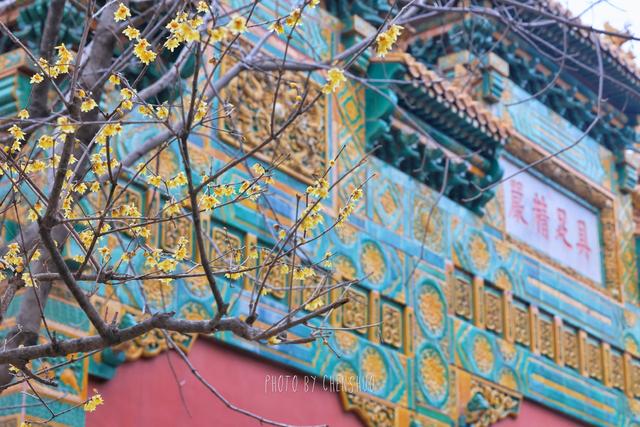
登高赏梅也是一种过年方式
Zhong Guo Huan Jing Bao· 2026-02-25 02:07
Core Viewpoint - The article highlights the cultural and ecological significance of the wax plum flower in Beijing during the Spring Festival, emphasizing a shift towards a more environmentally conscious and simplified celebration of the New Year [1] Group 1: Cultural Significance - The wax plum cultural exhibition at Baiwang Mountain features over 300 wax plum trees of 18 varieties, showcasing both natural beauty and cultural heritage through activities like woodblock printing and calligraphy [1] - The integration of ecological characteristics and cultivation knowledge in the exhibition allows visitors to appreciate the beauty of nature while celebrating the New Year [1] Group 2: Societal Trends - The concept of "green and civilized New Year" has become a social consensus, with more people opting for nature-oriented activities such as plum viewing and simple celebrations [1] - The transition from traditional noisy celebrations to a more minimalist "ecological gathering" reflects a changing perception of what constitutes the essence of the New Year [1] Group 3: Ecological Awareness - The wax plum flower symbolizes resilience and hope, representing people's expectations for the New Year and the importance of ecological awareness in enhancing the quality of life [1] - The article suggests that as ecological values take root in people's hearts, the celebration of the New Year will become more meaningful and vibrant [1]
京城拍客今日精选|流光溢彩夜 梅花报春来
Bei Jing Ri Bao Ke Hu Duan· 2026-02-24 12:24
Group 1 - The article highlights the beauty of the wax plums blooming in various parks in Beijing, particularly in Meigu Valley and the Temple of Heaven, attracting numerous visitors for photography [2][10]. - The Golden Yellow wax plums are described as creating a picturesque scene against the backdrop of ancient architecture, such as the red walls of the Temple of Heaven and the ancient temple of Biyun Temple [5][10]. - The article also mentions the Spring Lantern Festival at the Old Summer Palace, showcasing vibrant light displays that enhance the beauty of the royal garden architecture, creating a unique night scene [16].
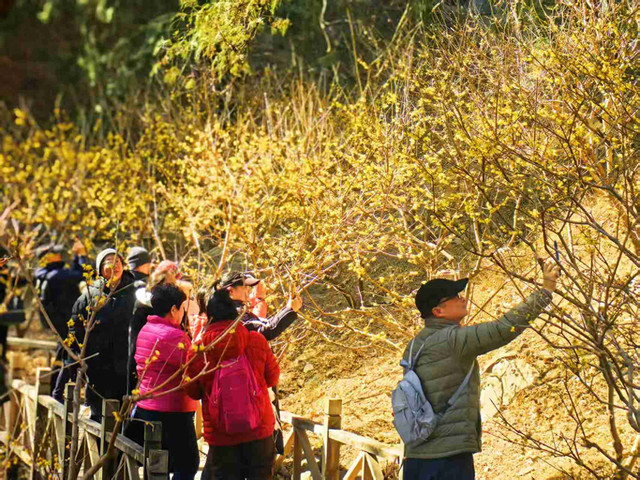
北京:梅花初绽护城河畔,蜡梅花开卧佛寺中
Xin Lang Cai Jing· 2026-02-23 08:23
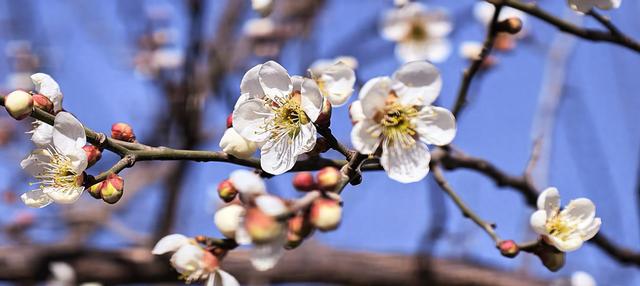
Group 1 - The article highlights the blooming of plum blossoms, symbolizing the arrival of spring in the city [2][12] - The photographs taken by Hong Huazhong and Wen Hongzheng capture the beauty of the blossoms at various locations, including the Left Anmen Bridge and the Fo Temple [4][14][18] - The imagery emphasizes the cultural significance of these flowers in the context of the city's landscape and seasonal changes [6][16]
先睹为快!景山的春天悄悄上线了
Xin Lang Cai Jing· 2026-02-22 11:46
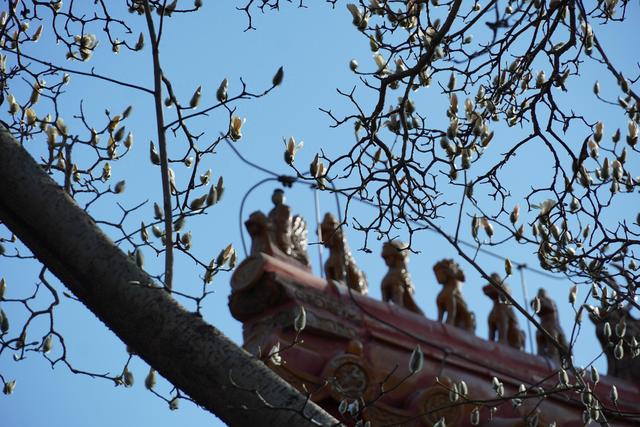
Group 1 - The article highlights the arrival of spring at Jingshan Park, with early signs of blooming flowers such as the Yulan magnolia and the wax plum, enhancing the park's beauty [1] - The article mentions that the seasonal flowers, including peonies, orchids, and camellias, are in full bloom at the Science Popularization House, creating a vibrant spring atmosphere [1] - Visitors are reminded to appreciate the flowers respectfully by not touching them or occupying space for extended periods while taking photos [1]
传承千年的“花开富贵”,是独属中国新年的“仪式感”
Xin Lang Cai Jing· 2026-02-22 01:29
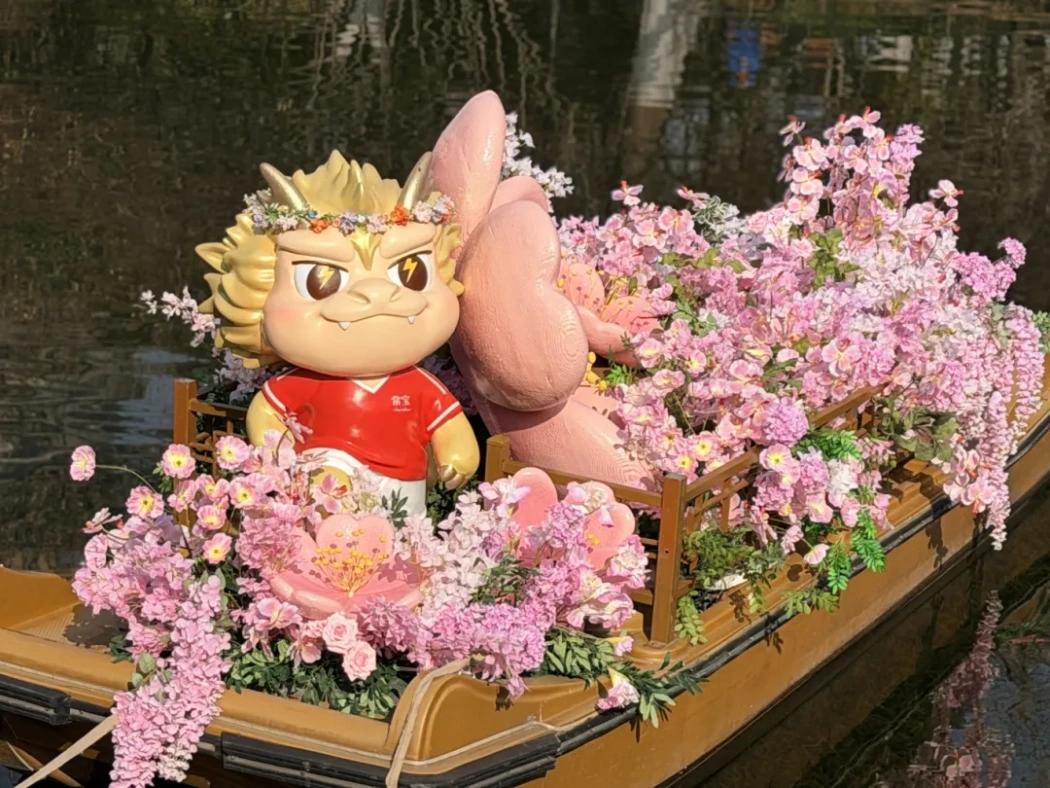
Core Viewpoint - The article highlights the cultural significance of flowers during the Chinese New Year celebrations, emphasizing the deep-rooted tradition of using flowers to enhance the festive atmosphere across various regions in China [1][10]. Group 1: Regional Celebrations - In Jiangnan, the early spring is marked by the blooming of plum blossoms, with Changzhou being a representative city where the celebration includes a blend of cultural and festive activities [3]. - Wuhan's East Lake Plum Garden features over 30,000 plum trees, attracting visitors who enjoy the beauty of the blossoms while celebrating family reunions [3]. - In Guangzhou, the "Flower Street" tradition is a vital part of the New Year celebrations, where families select flowers symbolizing good fortune and prosperity [5]. Group 2: Flower Varieties and Symbolism - The article describes various flowers associated with the New Year, such as the butterfly orchid, large flowered cymbidium, and winterberry, which contribute to the festive atmosphere in Jiangnan [3]. - In Southwest China, the camellia is a popular choice for decoration, symbolizing good wishes for the coming year, while in Guizhou, the fragrance of wax plums fills homes, representing family health and happiness [6]. - Northern regions feature the winter plum blossom, which adds elegance to the New Year celebrations, with traditional activities like enjoying sweet snacks while admiring the flowers [8]. Group 3: Cultural Significance - The act of flower appreciation during the New Year is portrayed as a cultural inheritance, representing warmth and familial bonds, transcending mere visual enjoyment [8][10]. - Each blooming flower is seen as a beautiful wish, and family outings to enjoy the flowers serve as a testament to reunion and togetherness [8].
又香又美!通州这里的蜡梅开啦
Xin Lang Cai Jing· 2026-02-21 08:58
Core Viewpoint - The article highlights the early blooming of wax plums in Xihai Park, enhancing the beauty of the park and attracting visitors during the spring season [1][10]. Group 1: Wax Plum Blooming - The yellow wax plums have started to bloom in Xihai Park, adding a bright color for the upcoming Year of the Horse [1]. - The wax plums are noted for their early bloom and strong fragrance, making Xihai Park a popular destination for flower viewing [8]. - The flowers are described as resembling golden pearls, with some buds yet to open and others fully blossomed, shining in the sunlight [6]. Group 2: Park Features and Visitor Experience - Xihai Park, as part of the Grand Canal Cultural Tourism Scenic Area, holds sentimental value for the local community and serves as a leisure spot for visitors [10]. - The park features a picturesque setting with ancient towers, lakes, and pavilions, creating a beautiful scene enhanced by the blooming wax plums [5]. - Visitors are encouraged to gather with friends during the Spring Festival to enjoy the unique beauty of the early spring and the wax plums [11].
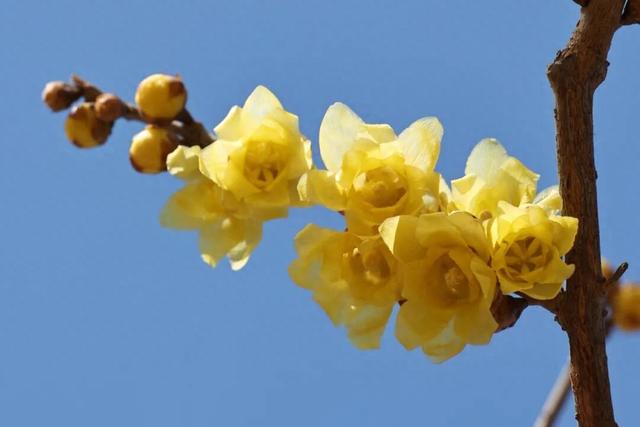
津城地栽蜡梅提前盛放 为春节添春意
Xin Lang Cai Jing· 2026-02-16 20:29
Core Viewpoint - The flowering period of the wax plum in Tianjin has started nearly a month earlier than in previous years, attributed to higher winter temperatures, enhancing the city's spring atmosphere and attracting visitors [3][4]. Group 1: Flowering Phenomenon - The wax plum has entered its peak flowering period in various locations such as water parks and scenic areas, with blooming observed as early as early January [3]. - The average high temperature in Tianjin during January was 4°C, and the average low was -6°C, both higher than historical averages, contributing to the early blooming of the wax plum [4]. - The wax plum's flowering time is closely related to winter temperatures, with potential for earlier blooming if temperatures remain high [4]. Group 2: Urban Flora - Tianjin has cultivated over 300 varieties of flowering shrubs and trees, totaling more than 3 million plants in urban areas [5]. - Following the early blooming of wax plums, other flowers such as cherry blossoms, forsythia, and spring flowers are expected to bloom as temperatures rise, enhancing the city's spring landscape [5].