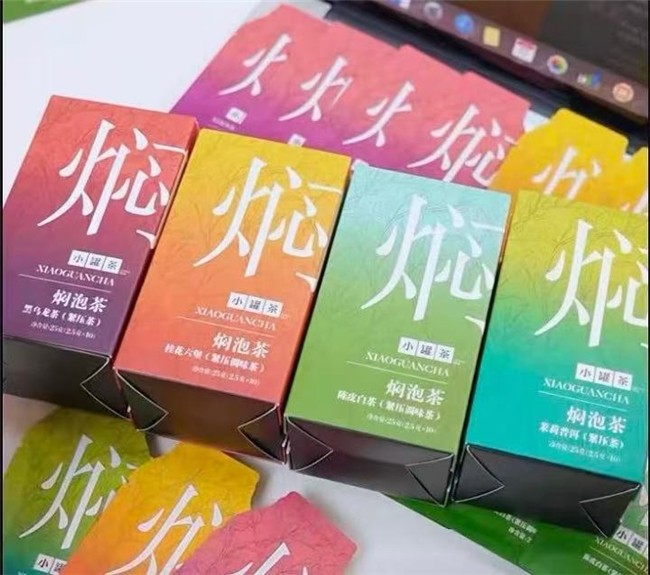
小罐茶焖泡茶

Search documents
养生年轻化催生茶饮新蓝海,小罐茶焖泡茶上市热销
Xiao Fei Ri Bao Wang· 2025-12-10 09:22
Group 1 - The core viewpoint of the article highlights the rising demand for health-oriented beverages, particularly tea, during the autumn and winter seasons, driven by a younger consumer base seeking convenient and natural options [1][2][15] - The launch of the new "焖泡茶" (Brewed Tea) series by the modern tea brand "小罐茶" (Xiao Guan Tea) is a strategic move to cater to daily consumption scenarios and engage younger consumers, as well as penetrate lower-tier markets [2][13] - Data from the National Health Commission indicates that over 70% of Chinese residents consider "health and wellness" in their daily consumption, with a significant shift towards sugar-free, natural, and convenient beverage options [2][4] Group 2 - The younger demographic, particularly those aged 18-39, is increasingly participating in health-related consumption, with over half of this age group engaging in wellness activities [2][4] - The "焖泡茶" series addresses specific health needs for the autumn and winter seasons, featuring flavors like Chenpi White Tea and Osmanthus Liu Bao, which are designed for easy preparation without complex tea-making tools [4][6] - The product's independent packaging and standardization cater to the needs of young consumers who prefer convenient and portable health solutions, making it suitable for various settings such as workplaces and travel [6][10] Group 3 - The market response to the "焖泡茶" series has been overwhelmingly positive, with many first-time tea drinkers, particularly from the post-95 generation, purchasing the product in large quantities [10][12] - The pricing strategy for the "焖泡茶" series is designed to be accessible, with a regular price of 39.9 yuan for a box of 10 pieces and a promotional price of 9.9 yuan for a trial pack of 3 pieces, effectively lowering the barrier for entry [13][15] - The successful launch of the product is attributed to its alignment with the trends of health consumption, the younger demographic, and the expansion into lower-tier markets, providing a model for future developments in the tea industry [15]