巫溪嫁花

Search documents
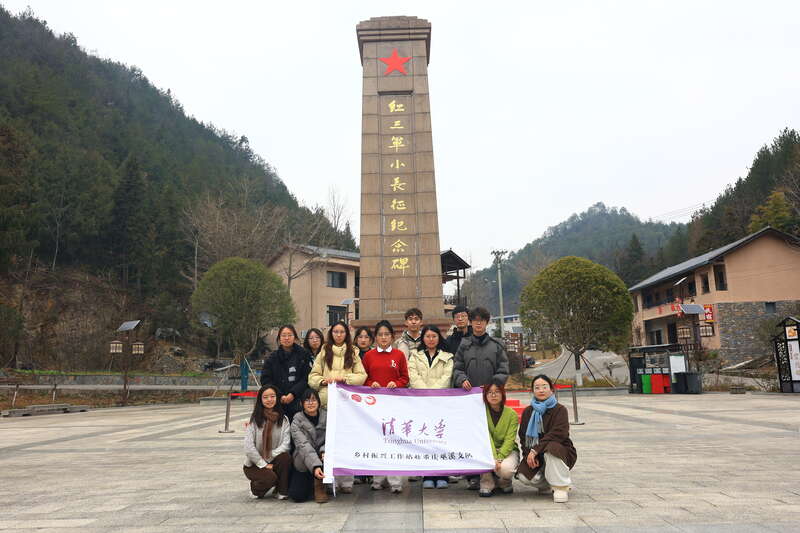
清华大学乡村振兴工作站走进重庆巫溪
Xin Lang Cai Jing· 2026-01-27 13:42
Core Viewpoint - Tsinghua University's Rural Revitalization Workstation is conducting a 10-day social practice activity in Wuxi County, Chongqing, involving students from four universities to enhance local development through cultural and industrial engagement [1][2]. Group 1: Activity Overview - The practice team focuses on two core elements: Wuxi Eagle Tea and Ba Embroidery, exploring local culture and heritage through visits to the county museum and ancient towns [2]. - This is the first social practice activity by Tsinghua University's Rural Revitalization Workstation in Wuxi, aimed at revitalizing local vitality and promoting cultural tourism and rural development [2][3]. Group 2: Impact and Contributions - Local officials express gratitude for the fresh perspectives brought by students, including optimized packaging for Wuxi Eagle Tea and the introduction of AR technology for Ba Embroidery, enhancing cultural dissemination [4]. - The deputy secretary of Wuxi County's committee highlights the establishment of a collaborative bridge between the university and the local area, aiming to apply design outcomes for industrial upgrades and cultural promotion [6].

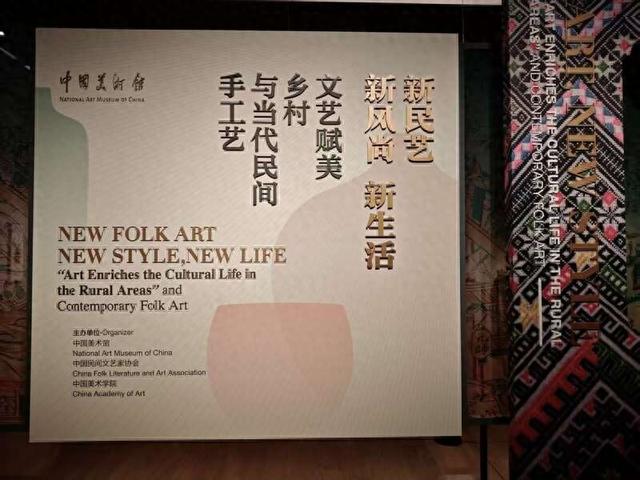
“文艺赋美乡村与当代民间手工艺”展览在中国美术馆举办
Xin Lang Cai Jing· 2026-01-24 13:24
Core Viewpoint - The exhibition "New Folk Art, New Trends, New Life - Cultural and Artistic Empowerment of Rural Areas and Contemporary Folk Handicrafts" showcases the innovative contributions and social value of contemporary Chinese handicrafts in promoting the "Cultural and Artistic Empowerment of Rural Areas" [1][3]. Group 1: Exhibition Overview - The exhibition is co-hosted by the China Art Museum, the China Folk Literature and Art Association, and the China Academy of Art, focusing on typical regional practices [3]. - It is held at the China Art Museum, specifically in the 2nd, 4th, and 6th exhibition halls, and will run until February 1 [12]. Group 2: Exhibition Structure - The exhibition is divided into three sections: - The first section "New Rural Trends" focuses on the functional transformation and connotation expansion of traditional folk art in contemporary contexts [8]. - The second section "New Colors on Fabric" highlights the creativity and ingenuity of rural artisans through traditional textile arts [8]. - The third section "New Works of Craftsmanship" presents new achievements and possibilities of integrating traditional handicrafts into contemporary life [8]. Group 3: Cultural Significance - The exhibition vividly demonstrates the new landscape of contemporary Chinese folk handicrafts in terms of inheritance, development, and revitalization, emphasizing both the preservation of excellent traditional crafts and their creative transformation for modern life [12].