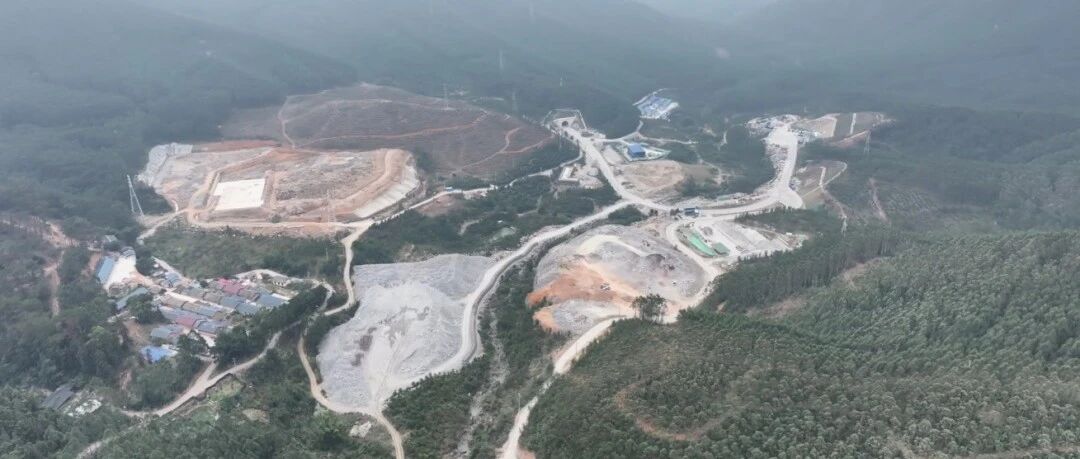
广西贵港抽水蓄能电站

Search documents
城市中心“巨型充电宝”,全面开工
中国能源报· 2026-01-26 04:52
Core Viewpoint - The Guangxi Guigang Pumped Storage Power Station, the first of its kind in a city center in western China, has commenced construction, aiming to ensure stable electricity supply and promote clean energy consumption in the region [1][3]. Group 1: Project Overview - The Guigang Pumped Storage Power Station will install four 300,000 kW units, with a total regulation capacity of 2.4 million kW, designed to meet peak load demands in close proximity to the urban center [3]. - The total investment for the project is approximately 8.1 billion yuan, with an expected completion date by the end of 2029. It is projected to consume 25.2 billion kWh of clean energy annually, reducing carbon dioxide emissions by about 2.2 million tons [3]. - The power station will support the stable delivery of green electricity from 8 million kW of wind power, 4.7 million kW of solar power, and 6.9 million kW of nuclear power in southern Guangxi [3]. Group 2: Environmental and Urban Integration - The project is strategically located in a mountainous area with a height difference of 420 meters, allowing for effective integration into the urban landscape while adhering to strict environmental standards [7]. - Environmental investments for the project are expected to reach 340 million yuan, accounting for over 4% of the total project cost, focusing on sustainable construction practices [7]. - The power station is expected to attract over 200,000 visitors annually, integrating power regulation with educational and tourism functions, enhancing the local economy [9][12]. Group 3: Strategic Importance - The construction of pumped storage power stations in urban centers is becoming a new paradigm in China's energy strategy, promoting efficient utilization of energy regulation functions [12]. - The project aligns with the "14th Five-Year Plan" which emphasizes the scientific layout of pumped storage facilities, aiming to minimize energy loss and maximize resource utilization [5].