废弃塑料

Search documents
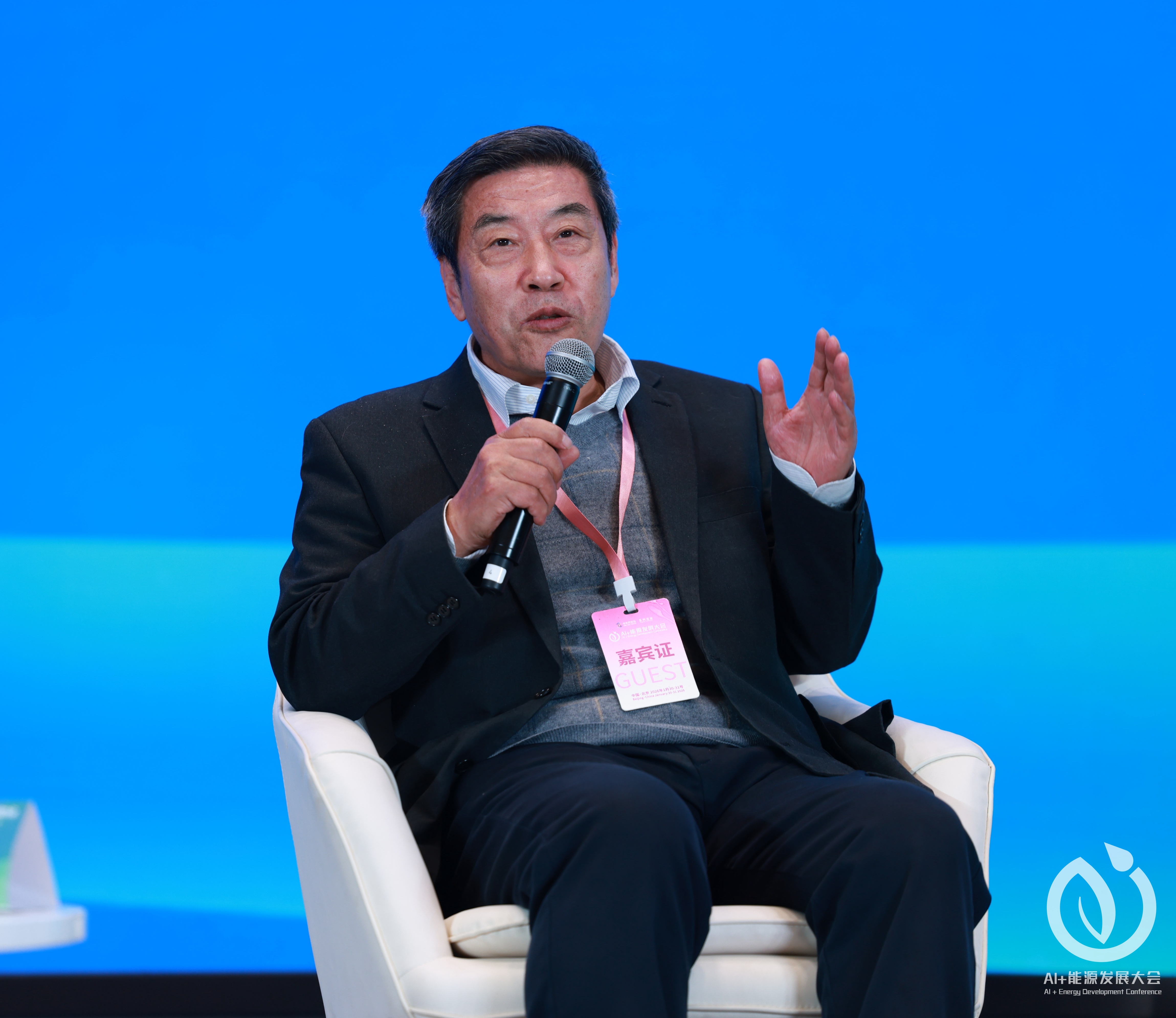
中国科学院院士韩布兴:AI+化工,让二氧化碳、废塑料成为 “能源宝库”
Zhong Guo Neng Yuan Wang· 2026-01-31 09:24
Core Insights - The AI+Energy Development Conference highlighted the significant role of artificial intelligence in transforming the energy sector, emphasizing its potential to enhance high-quality development and promote green resource recycling [1][5]. Group 1: AI's Impact on Energy - AI is profoundly changing human production and life, becoming a crucial force in social and economic development, particularly in the energy sector [5]. - AI technologies are expected to play an increasingly important role in various stages of energy production, storage, transportation, and end-use, providing strong support for efficient energy utilization [5]. Group 2: Green Resource Recycling - The integration of AI in the field of green resource recycling is essential for achieving carbon neutrality goals and facilitating the green transition of the energy sector [6]. - The annual carbon dioxide emissions from fossil resource utilization in China reach approximately 10 billion tons, and converting CO2 into fuels and chemicals using renewable energy can address the challenges of intermittent renewable energy sources [6]. Group 3: Biomass and Plastic Waste Utilization - China can collect about 1 billion tons of biomass from agricultural and forestry waste each year, which can be transformed into chemicals, fuels, and materials, thus enhancing energy supply and promoting a low-carbon energy structure [6]. - The country generates around 6 million tons of plastic waste annually, which poses environmental challenges. Utilizing chemical engineering techniques to convert plastic waste into fuels and chemicals can mitigate pollution and enhance energy supply [6]. Group 4: Challenges and Innovations - Despite the promising prospects in green resource recycling, the sector faces numerous challenges that require the development of new methods, technologies, and pathways [6]. - The incorporation of AI technology is expected to significantly enhance research innovation capabilities and development efficiency in the green resource recycling field [6].