愈到小程序

Search documents
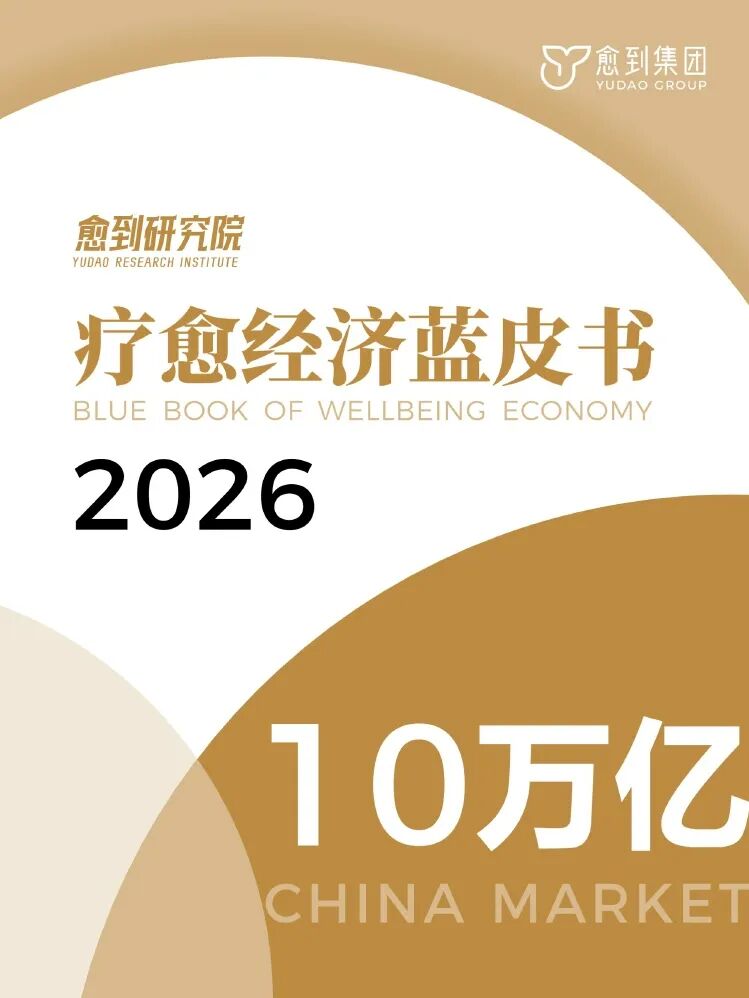
愈到集团:疗愈经济蓝皮书2026
Xin Lang Cai Jing· 2026-01-26 11:16
Core Insights - The scale of China's wellbeing economy has reached 10 trillion yuan, indicating significant growth and demand in this sector [10][13]. - The "Blue Book of Wellbeing Economy" has been downloaded over one million times, reflecting the increasing interest and engagement in wellbeing services [17]. - There are approximately 840 million users seeking wellbeing services in China, with a notable percentage experiencing psychological sub-health [40][42]. Group 1: Market Size and Growth - The wellbeing economy in China is valued at 10 trillion yuan, showcasing its vast market potential [10][13]. - The download count of the "Blue Book of Wellbeing Economy" has surpassed one million, indicating a strong market interest [17]. - The number of users seeking wellbeing services has reached 840 million, highlighting a substantial consumer base [40]. Group 2: User Demographics - Over 60% of wellbeing users are women, indicating a gender skew in the consumer base [58]. - The majority of users are middle-aged and young adults, particularly those aged 25-49 [63][66]. - Young and middle-aged women are identified as the primary users of wellbeing services [69]. Group 3: User Behavior and Preferences - Users require wellbeing services throughout the day, with peak usage times on Fridays [74][80]. - User sharing is the primary source of traffic for the Yudao mini-program, emphasizing the importance of community engagement [84]. - Users show a preference for workshops related to sound bowls, painting, and aromatherapy, indicating specific interests within the wellbeing sector [90]. Group 4: Psychological Insights - Addressing pain points is the primary need for wellbeing users, reflecting a demand for solutions to specific psychological issues [109]. - The literature on wellbeing frequently highlights keywords such as "wellbeing" and "anxiety," indicating prevalent themes in consumer concerns [104][106]. - Economic development in cities correlates with higher recognition and acceptance of wellbeing services, suggesting a link between urbanization and wellbeing trends [117].