手机充电宝

Search documents
拉美跨境电商物流货物类型解析
Sou Hu Cai Jing· 2025-10-15 04:57
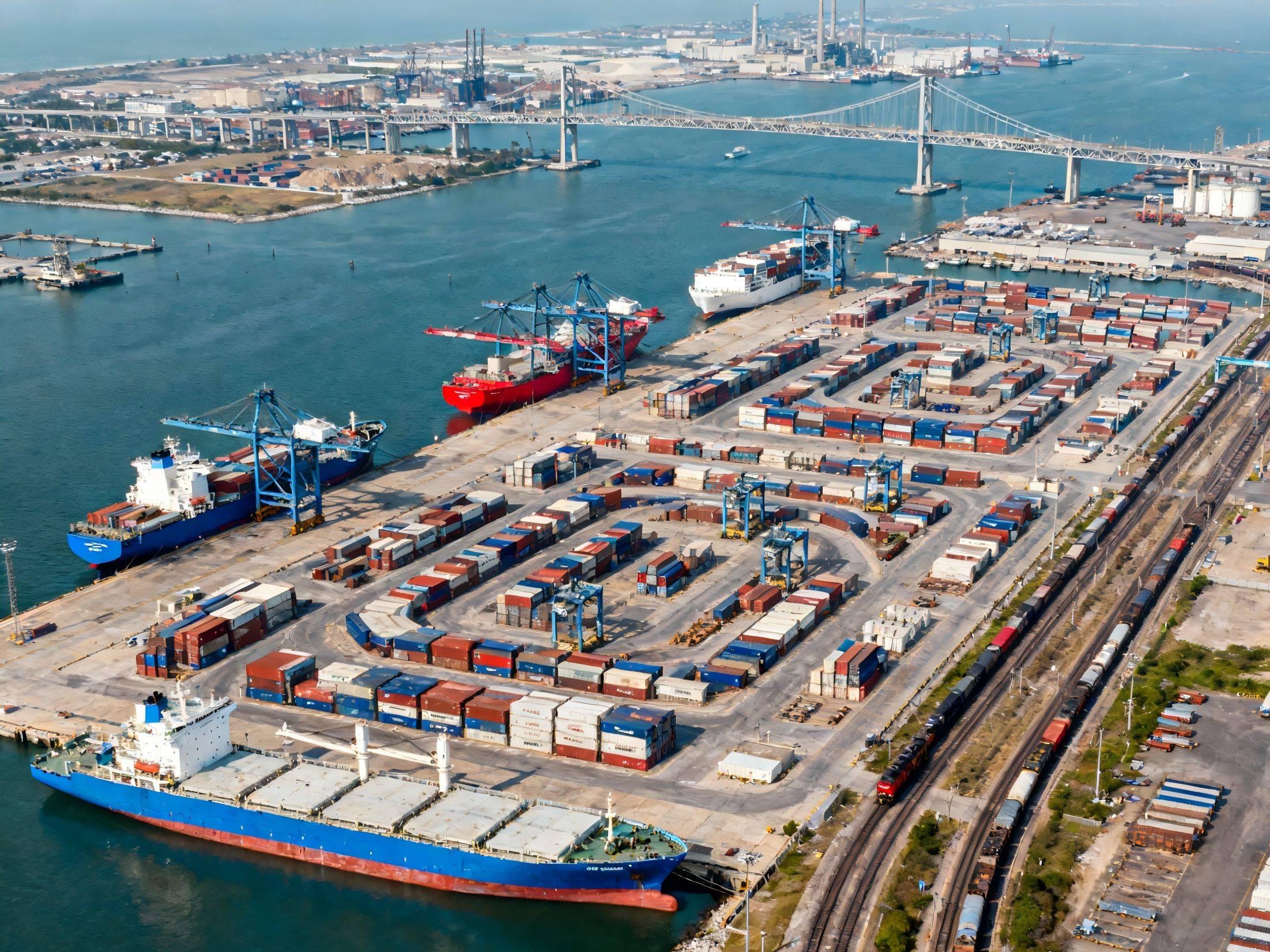
Core Insights - The core challenge of cross-border e-commerce logistics in Latin America lies in the precise adaptation of cargo types to local regulatory systems, with significant differences in customs clearance policies among key markets like Brazil, Mexico, and Chile [1] Group 1: General Cargo - General cargo is the most accessible category in Latin American logistics, characterized by "no special attributes, no regulatory prohibitions," allowing for straightforward customs clearance without additional certifications [3] - Common categories focus on daily necessities such as household goods, fashion apparel, and fast-moving consumer goods, which align with basic consumer needs in large populations like Brazil and Mexico [3] - Logistics adaptability for general cargo includes options like sea freight, air freight, or postal packages, requiring only basic documentation such as commercial invoices and packing lists for customs clearance [3] Group 2: Special Cargo - Special cargo includes items with unique attributes such as "battery-operated, magnetic, liquid, powder, or paste," which are in high demand in the Latin American market but require prior compliance certifications for customs clearance [4] - Common categories of special cargo are divided into three types: battery-operated items (e.g., power banks), liquid/paste items (e.g., shampoos), and magnetic items (e.g., Bluetooth speakers), each with specific packaging and documentation requirements [4][5] - Regulatory compliance is crucial, with Brazil requiring INMETRO certification for battery-operated and beauty products, Mexico needing NOM certification, and Chile requiring SEC certification [5] Group 3: Sensitive Cargo - Sensitive cargo represents high-risk but high-value items that not only have special attributes but also involve religious taboos, medical regulations, or privacy protection, necessitating strict adherence to local laws [6] - Common categories include religious items (e.g., halal food), medical supplies (e.g., thermometers), and privacy products (e.g., sanitary pads), each with specific compliance requirements [6] - Localized compliance is essential, with Brazil's medical product review process taking 1-2 months and Argentina enforcing strict packaging checks for privacy items [6] Group 4: Dangerous Goods - Dangerous goods are the most stringently regulated category in Latin America, defined by safety risks such as flammability, explosiveness, corrosion, or toxicity, and must adhere to international transport regulations [7] - Common examples include lithium batteries and flammable liquids, which require specific certifications and packaging standards to ensure safe transport [7] - Logistics operations for dangerous goods necessitate the provision of safety data sheets and the selection of specialized transport channels [8]

降温喷雾,炸飞挡风玻璃!高温下,这些东西都别放车内!
Qi Lu Wan Bao· 2025-06-12 02:55
Group 1 - High temperatures in closed car spaces can exceed 80℃, leading to potential explosions and fires from common items like lighters, perfumes, and power banks [1][5] - A simulation by firefighters showed that lighters can explode within 2 minutes at high temperatures due to the expansion of liquid butane [4][5] - Perfume bottles can eject their nozzles after 20 minutes in high heat, as alcohol inside vaporizes and increases pressure [4][6] Group 2 - Items like sunscreen and aerosol sprays can also explode in high temperatures due to increased internal pressure [6] - A magnifying glass can ignite paper within 40 minutes by focusing sunlight, similar to how other round objects can act as lenses [8] - Power banks can reach temperatures of 137℃ after 50 minutes in a hot car, posing risks of swelling and potential fires, especially if they contain substandard batteries [11] Group 3 - Cooling sprays can cause explosive reactions if used improperly near open flames, as demonstrated in a test where a fire ignited after spraying the product in a closed car [13] - Firefighters advise against leaving items like lighters, perfumes, and power banks in cars during summer to prevent accidents [13]