新型‘脑起搏器’

Search documents
我国脑机接口技术走向临床 受试者体验如何?
Yang Shi Wang· 2025-09-21 17:20
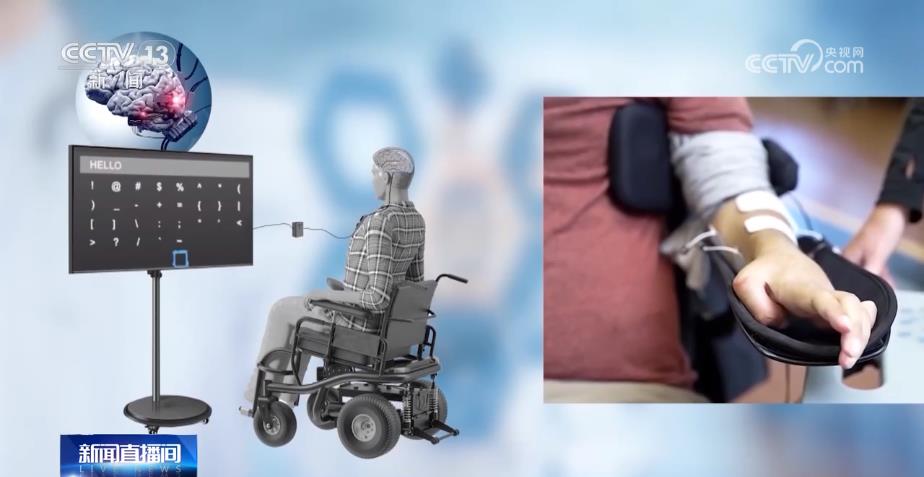
Core Insights - The first clinical trial of an interventional brain-computer interface (BCI) in China has successfully assisted a stroke patient in regaining partial motor function [1][5] - The interventional BCI technology involves a minimally invasive procedure to implant electrodes via the neck's blood vessels, allowing for the collection of brain signals without the need for open surgery [8][6] - The technology has been integrated into a multi-center clinical trial and is included in the Ministry of Science and Technology's ethical guidelines for BCI research, indicating its potential for treating various motor function disorders [5][9] Technology Overview - The interventional BCI utilizes a titanium alloy stent that is smaller than a human hair, equipped with brain electrodes to capture brain signals [2] - It combines several technologies, including wireless transmission devices for brain signal communication, intelligent algorithms for decoding motor intentions, and synchronized electrical stimulation to enhance recovery efficiency [4][5] - The interventional method offers a balance between the high-quality signals obtained from invasive methods and the safety of non-invasive approaches [8][6] Industry Development - The Chinese government has issued implementation opinions to promote innovation and development in the BCI industry, outlining specific pathways for industrialization [9] - The application scenarios for BCI technology are expanding, moving from laboratory research to clinical applications, with ongoing trials in various hospitals [15] - Despite rapid advancements, the BCI industry faces challenges such as the need for standardized core components, algorithms, and ethical guidelines, as well as the necessity for a comprehensive industry chain layout [16]