无人岛旅游

Search documents
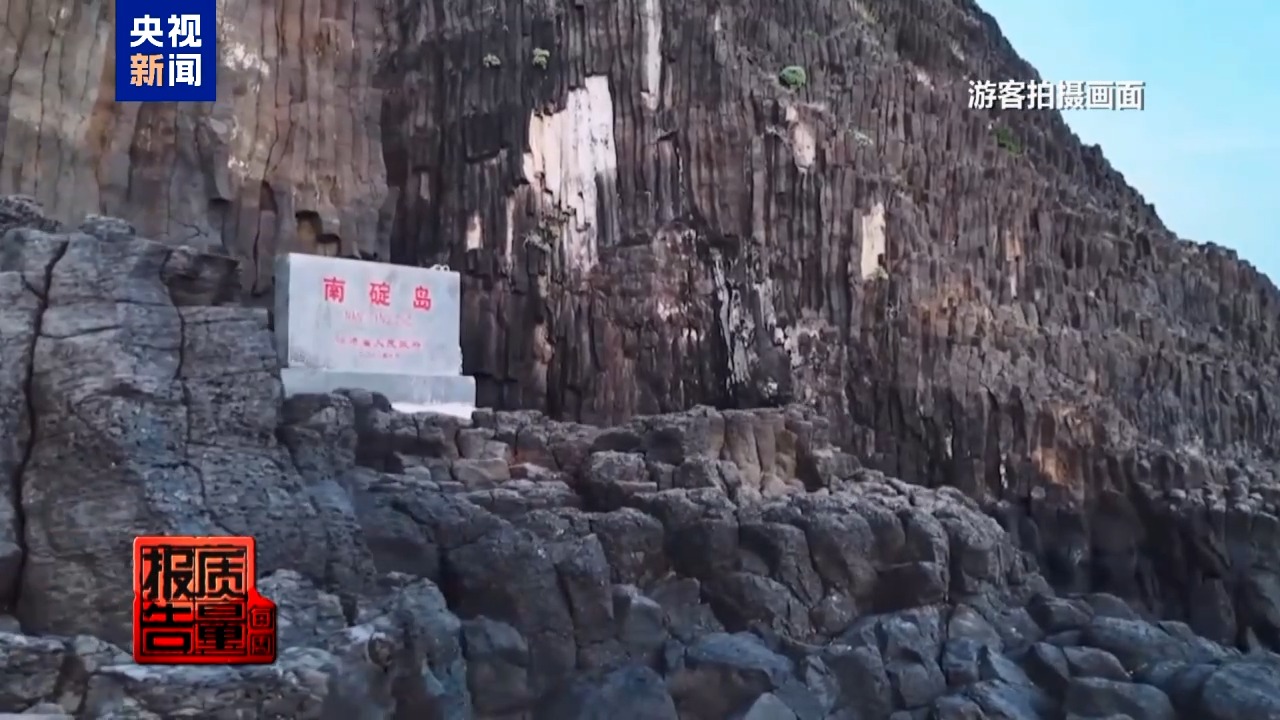
每周质量报告丨非法包船登岛成公开生意 揭露无人岛旅游乱象
Yang Shi Xin Wen· 2025-10-12 06:18
Core Viewpoint - The article highlights the rising trend of domestic tourism in China, particularly the increasing popularity of uninhabited islands like Nan Dian Island, which poses ecological and safety risks due to illegal tourism activities [1][3][19]. Group 1: Tourism Trends - During the National Day and Mid-Autumn Festival holiday, domestic travel reached a record high of 888 million trips [1]. - Tourists are shifting from conventional sightseeing to niche and adventurous travel experiences, leading to a surge in interest in uninhabited islands [1][19]. Group 2: Legal and Regulatory Issues - According to the Island Protection Law of the People's Republic of China, any form of tourism on uninhabited islands is prohibited without approval [3][13]. - Despite regulations, social media platforms are filled with guides and recommendations for illegal trips to Nan Dian Island, indicating a gap in enforcement [3][19]. Group 3: Local Insights - Local residents in Zhanpu County are capitalizing on the demand for trips to Nan Dian Island by offering boat services, despite the island being officially closed to tourists [5][9]. - The local accommodation sector is thriving, with high demand for lodging from visitors intending to access the island [9][11]. Group 4: Safety and Responsibility - Experts warn that unauthorized visits to uninhabited islands can lead to serious safety incidents, with liability falling on both the tourists and the service providers involved [15][17]. - The lack of safety measures and qualifications among transport providers raises significant concerns regarding the risks associated with illegal tourism [17][19]. Group 5: Ecological Concerns - Uninhabited islands are crucial components of fragile ecosystems, and illegal tourism threatens their preservation [19][20]. - Strengthened regulations and increased awareness among tourists are essential to protect these vulnerable natural areas [19].

日本上万座无人岛,中国人能买几座?
Hu Xiu· 2025-08-06 12:20
Core Insights - The article discusses the rising trend of uninhabited island tourism in Japan, driven by the increasing popularity of unique travel experiences among tourists [1][4] - It highlights the potential for investment in these islands, as they can be purchased, allowing individuals to become "island owners" [2][26] Group 1: Uninhabited Islands as Tourist Attractions - Japan has a total of 14,125 islands, with only 260 inhabited, making uninhabited islands a unique draw for tourists seeking adventure and exploration [4][13] - The article mentions specific islands like Gunkanjima (Battleship Island), which has a dark history and attracts visitors interested in "dark tourism" [10][11] - The government is actively promoting "island tourism" through initiatives like annual rankings and events to develop new tourism projects [22][23] Group 2: Investment Opportunities in Uninhabited Islands - A recent case involved a Chinese woman purchasing 700,000 square meters of land on uninhabited Yonaha Island in Okinawa, with an estimated transaction value of at least $60 million [26][28] - The article notes that uninhabited islands are seen as rare and valuable real estate, often associated with wealthy families [33][35] - There are currently 14 uninhabited islands listed for sale, but many are considered "non-saleable" due to geographical or cultural dangers [40][42] Group 3: Concerns and Regulatory Responses - The purchase of uninhabited islands by foreign buyers has raised concerns in Japan, particularly regarding national security, as some islands are near military bases [47][48] - The Japanese government has amended laws to scrutinize land transactions near sensitive areas, focusing on the nationality of buyers and intended use [52][53] - The article suggests that the trend of foreign investment in uninhabited islands may not just reflect economic strength but could also have broader implications for national security [60]