木簪

Search documents
“90后”“00后”引领元旦消费新风尚
Chang Jiang Ri Bao· 2026-01-04 02:55
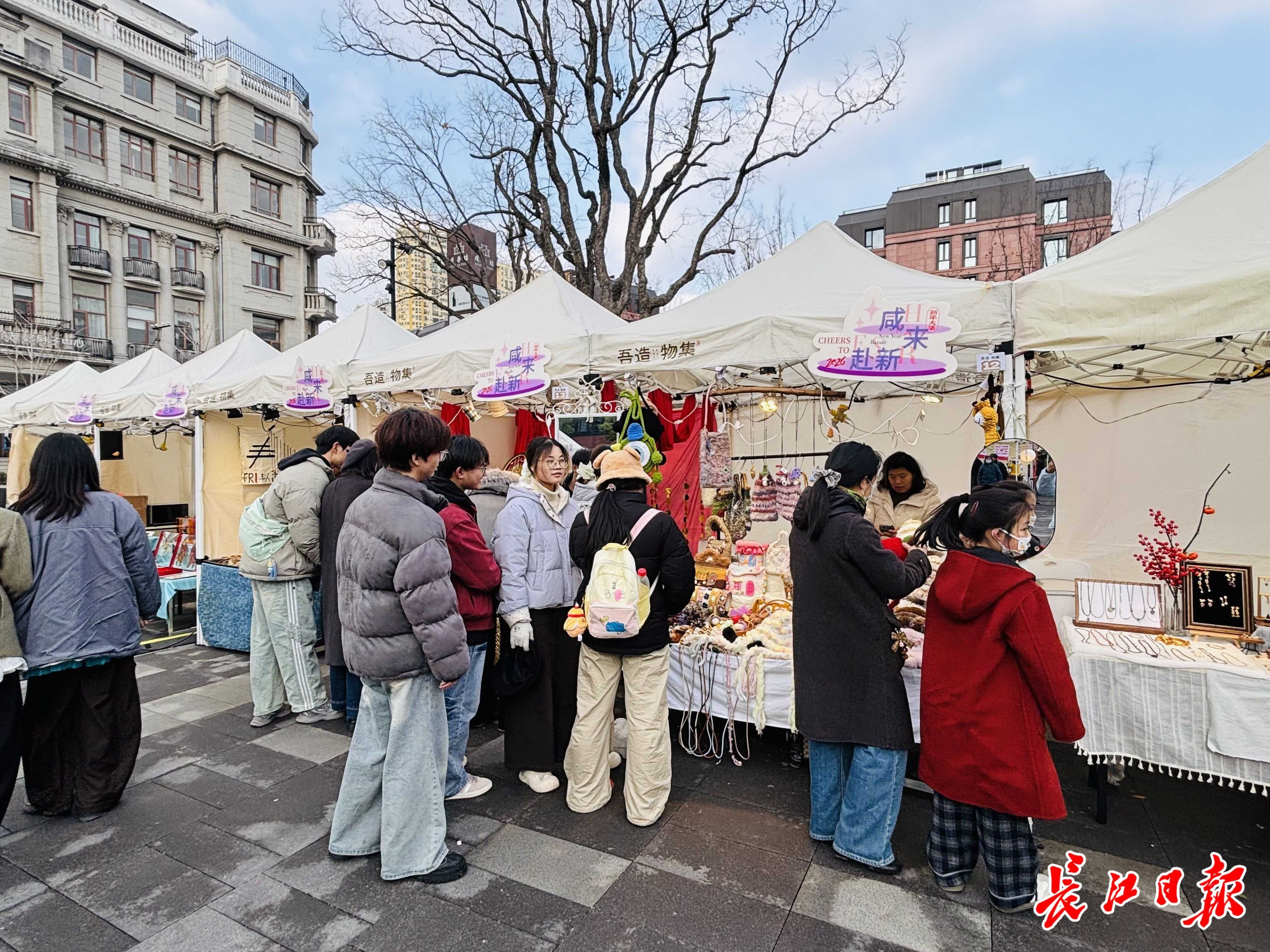
Core Insights - The integration of traditional culture and modern aesthetics is driving a youth-led consumption wave in Wuhan during the New Year holiday, with "90s" and "00s" becoming the main consumers of cultural heritage products [1] Group 1: Youth Engagement in Traditional Culture - Young consumers are actively participating in cultural heritage markets, transforming from mere observers to engaged participants who explore, purchase, and interact with traditional crafts [1] - Over 80% of visitors at cultural heritage markets are young faces, indicating a shift in interest towards deeper interaction with traditional crafts rather than just passive observation [1] Group 2: Modernization of Traditional Crafts - Young artisans like Zhu Zhongzong are blending ancient lacquer techniques with contemporary design, appealing to younger customers who value both aesthetics and practicality [2] - The willingness of young consumers to pay for traditional crafts increases when they understand the intricate processes and time involved in their creation [2] Group 3: Market Trends and Consumer Behavior - The popularity of cultural heritage markets is enhancing holiday experiences and diversifying consumption patterns, with various attractions integrating traditional culture into tourism [3] - Events like the "New Year Market" at Yellow Crane Tower and workshops at Wuhan Botanical Garden are attracting young visitors, showcasing a successful blend of cultural engagement and consumerism [3]
90后00后引领元旦消费新风潮,非遗市集成跨年“新宠”
Chang Jiang Ri Bao· 2026-01-03 00:56
Core Insights - The article highlights the integration of traditional culture and modern aesthetics among the youth in Wuhan during the New Year holiday, with "90s" and "00s" becoming the main consumers of cultural heritage products [1] Group 1: Youth Engagement with Traditional Culture - Young consumers are actively participating in cultural heritage markets, transforming from mere observers to engaged participants through experiences like "visiting heritage, buying cultural products, and interactive activities" [1] - Over 80% of visitors at the markets are young faces, indicating a shift in interest from passive observation to active interaction with traditional crafts [5] - Young people are increasingly interested in the craftsmanship and cultural significance behind heritage products, leading to a deeper appreciation and willingness to purchase [5][8] Group 2: Innovative Practices by Young Artisans - Young artisans like Zhu Zhongzong are blending traditional craftsmanship with contemporary design, appealing to younger customers who value both aesthetics and practicality [8] - Products such as a finely crafted lacquer gourd, priced around 200 yuan, exemplify the intricate processes involved in traditional crafts, enhancing perceived value among young buyers [8] - Modern interpretations of traditional techniques, such as those by Li Yanjun, are being incorporated into contemporary jewelry, making heritage crafts more relatable to the younger demographic [8] Group 3: Cultural and Economic Impact - The popularity of heritage markets is enriching the holiday experience for citizens and tourists, contributing to diverse economic growth through cultural tourism [10] - Events like the "New Year Market" at Yellow Crane Tower and various cultural experiences at parks are successfully merging traditional culture with tourism, creating a positive cycle of cultural engagement and consumer spending [10] - The immersive experiences offered at these markets, which engage multiple senses, are making traditional culture more accessible and appealing to the younger generation [10][11]