
柔新捷运系统(RTS)

Search documents
特写丨新春在一线,中外团队跨海共建柔新捷运系统
Xin Hua She· 2026-02-17 01:49
Core Viewpoint - The cross-border rail transit project, the Rapid Transit System (RTS), connecting Johor Bahru, Malaysia, and Singapore, is progressing well, with vehicle debugging and testing ongoing, aiming for completion by the end of 2026 [1][3][5]. Group 1: Project Overview - The RTS project, involving Chinese enterprises, connects the Chagar station in Johor Bahru to the Woodlands North station in Singapore, with a total length of approximately 4 kilometers [3][11]. - The project has transitioned from construction to vehicle debugging, with all eight trains having arrived on-site by the end of last year [5][11]. - The RTS is expected to have a maximum passenger capacity of 20,000 per hour in each direction, significantly alleviating congestion at the border [11]. Group 2: Team Efforts and Cultural Significance - The project team, including both Chinese and Malaysian engineers, is working diligently during the Chinese New Year to ensure timely progress, highlighting the importance of teamwork and cultural collaboration [6][9]. - Local Malaysian engineers, such as Muhammad Syafiq, express a strong commitment to the project, viewing it as a vital infrastructure that will enhance economic and social integration between Malaysia and Singapore [9][11]. - The RTS is described as not just a transportation project but a significant milestone in the relationship between the two countries, having been planned for a decade [11][13]. Group 3: Technical Aspects and Testing - The debugging process focuses on critical systems such as traction, network control, doors, and air conditioning, with all data being meticulously verified to ensure stability in high-temperature and high-humidity conditions [5][11]. - Engineers are committed to rigorous testing protocols, ensuring that each system is validated individually and in coordination with others [5][11]. Group 4: Future Implications - The RTS is anticipated to create a "same-city living circle," facilitating smoother cross-border travel and enhancing the daily lives of commuters between the two regions [9][11]. - The project is expected to significantly reduce travel time across the Johor Strait, providing a more efficient alternative to current traffic conditions [11][13].

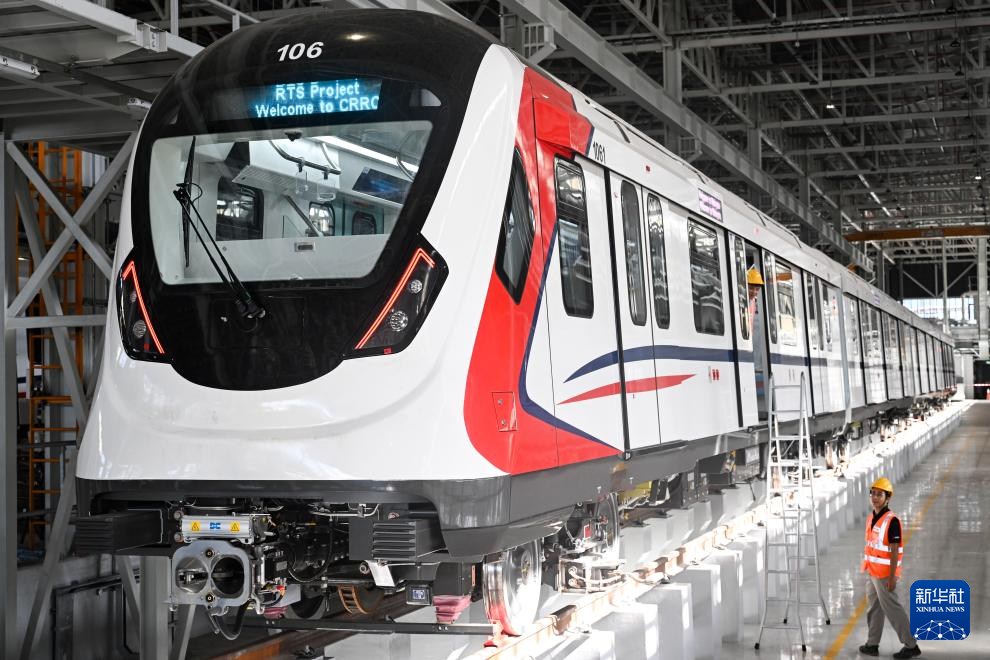
新春在一线,中外团队跨海共建柔新捷运系统
Huan Qiu Wang· 2026-02-16 05:13
Core Viewpoint - The RTS (Rapid Transit System) project, connecting Johor Bahru in Malaysia and Woodlands in Singapore, is progressing steadily with a focus on timely completion by the end of 2026, showcasing international collaboration in infrastructure development [1][3]. Group 1: Project Overview - The RTS project spans approximately 4 kilometers, utilizing an elevated bridge and underground tunnel to cross the Johor Strait, with a maximum passenger capacity of 20,000 per hour in both directions [2]. - The project has transitioned from construction to vehicle testing, with all eight trains having arrived on-site by the end of last year [1][2]. Group 2: Team Efforts and Cultural Significance - Engineers from China and local Malaysian technicians are working diligently during the Chinese New Year to ensure the project's critical milestones are met, reflecting strong team cohesion [2][3]. - The RTS is not only a transportation project but also a significant initiative for economic and social integration between Malaysia and Singapore, enhancing the commuting experience and reducing congestion at border crossings [2][3]. Group 3: Commitment to Progress - The commitment of the teams is evident as they continue to work through holidays, emphasizing the importance of the project for both nations and the anticipation of improved connectivity for residents [3][4]. - The project is seen as a lifeline for daily commuters, with the potential to alleviate traffic congestion significantly, as current conditions often lead to long wait times at the border [3].