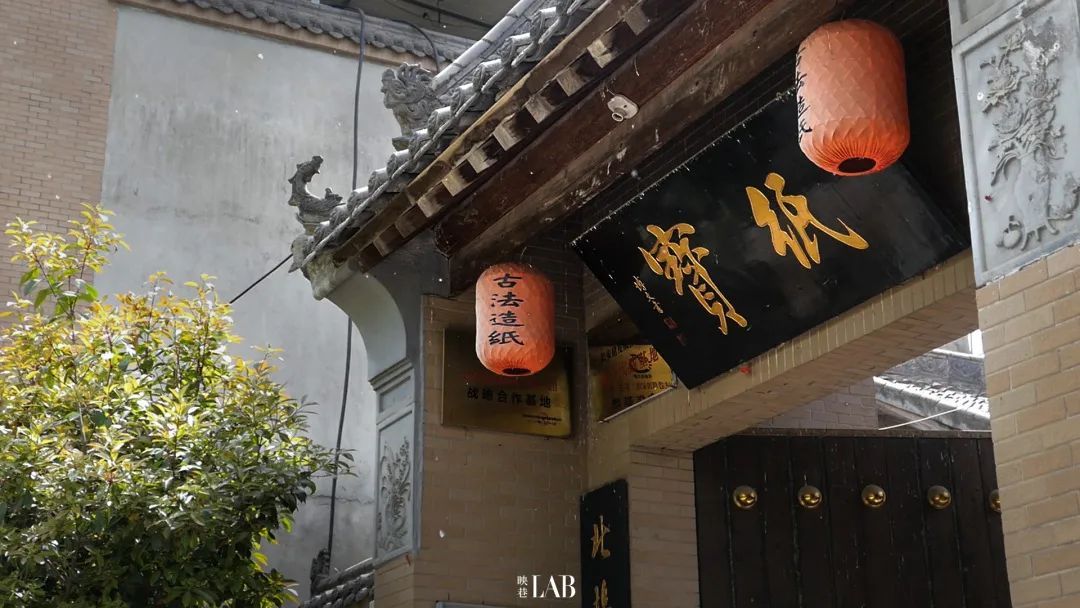
楮皮纸

Search documents
字载匠心|这项古代发明,让璀璨的文明传承数千年
Ren Min Ri Bao Hai Wai Ban· 2026-01-31 01:19
Core Viewpoint - The invention and evolution of papermaking technology have significantly contributed to the preservation and dissemination of Chinese and world civilization, with various materials and techniques being developed over time to enhance paper quality and accessibility [1][4][10]. Group 1: Historical Development of Papermaking - The traditional narrative attributes the invention of papermaking to Cai Lun during the Eastern Han Dynasty, but archaeological findings suggest that the origins of papermaking may date back to the Western Han Dynasty [4][6]. - Archaeological discoveries, such as the "Baqiao paper" and other ancient paper remnants, indicate that papermaking technology was evolving earlier than previously thought, with evidence of paper dating back to the mid to late Western Han period [6][8]. - The continuous improvement of papermaking techniques and materials, including the use of hemp, mulberry bark, and bamboo, reflects a long history of innovation in the industry [9][10]. Group 2: Material Innovations in Papermaking - The transition from hemp paper to other materials like mulberry bark and bamboo paper illustrates the ongoing search for more sustainable and cost-effective raw materials in papermaking [9][10]. - The introduction of various types of paper, such as bamboo paper, which became popular during the Tang Dynasty, showcases the adaptability of the industry to meet the demands of different users [9][10]. - The evolution of papermaking materials has been marked by three significant breakthroughs, enhancing the availability and affordability of paper products [9]. Group 3: Cultural and Economic Impact - Papermaking has played a crucial role in the development of Chinese literature, art, and commerce, facilitating the creation of books, calligraphy, and even early forms of currency [16][17]. - The spread of papermaking technology beyond China to regions such as Vietnam, Korea, Japan, and later to Europe, highlights its global significance and influence on cultural exchanges [17][18]. - The introduction of paper as a medium for printing and documentation has been pivotal in the advancement of knowledge and education, contributing to significant historical movements such as the Renaissance in Europe [17][18]. Group 4: Modern Papermaking Techniques - The traditional craftsmanship involved in making Xuan paper, a high-quality paper used for Chinese painting and calligraphy, exemplifies the enduring legacy of ancient papermaking techniques [10][14]. - Modern advancements in papermaking have led to innovations that prioritize environmental sustainability, such as the use of recycled materials and the development of multifunctional paper products [18]. - Despite the rise of digital media, the fundamental principles of papermaking continue to influence contemporary practices, ensuring that paper remains a vital part of human communication and culture [18].

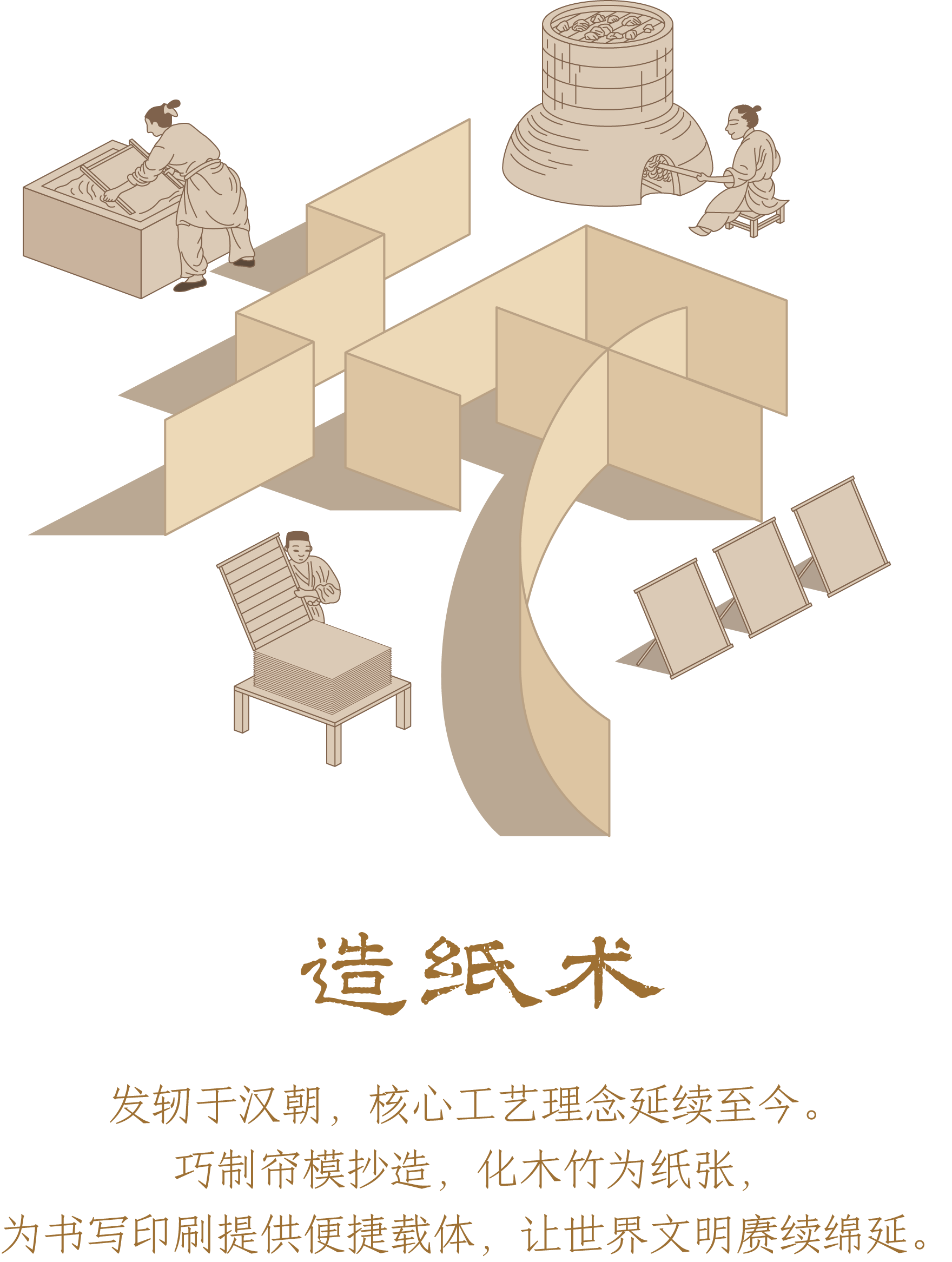
重塑纤维,造就文明传承载体(字载匠心·惊艳时光的中国智慧)
Ren Min Ri Bao Hai Wai Ban· 2026-01-29 22:51
Core Viewpoint - The article discusses the historical significance and evolution of papermaking in China, highlighting its impact on culture, technology, and civilization, as well as the ongoing relevance of traditional techniques in modern times [10][20][22]. Group 1: Historical Development of Papermaking - Papermaking is attributed to the innovations of Cai Lun during the Eastern Han Dynasty, although archaeological findings suggest earlier forms of paper existed [13][14]. - The development of papermaking techniques involved the use of various plant fibers, with significant advancements occurring during the Wei, Jin, and Northern and Southern Dynasties [15][16]. - The introduction of new materials such as bamboo and straw further diversified the types of paper produced, leading to more affordable and accessible options [17][18]. Group 2: Traditional Techniques and Craftsmanship - The production of Xuan paper, a traditional Chinese paper, involves meticulous processes that preserve ancient papermaking techniques, emphasizing the importance of natural materials and craftsmanship [19][22]. - The process includes selecting specific raw materials, extensive treatment, and careful handling during the paper-making stages, which require skilled labor and experience [18][19]. - Modern adaptations of traditional methods have improved efficiency while maintaining the quality and integrity of the paper [19]. Group 3: Cultural and Global Impact - Papermaking has played a crucial role in the dissemination of knowledge and culture, facilitating the development of literature, art, and education in China and beyond [20][21]. - The technology of papermaking spread to other regions, influencing global practices and contributing to significant historical developments, such as the Renaissance in Europe [21][22]. - The ongoing evolution of the paper industry reflects a balance between traditional craftsmanship and modern technological advancements, ensuring the continued relevance of paper in contemporary society [22].
马松胜的“造纸半生” | 陕西守艺人
Mei Ri Jing Ji Xin Wen· 2025-05-24 06:35
Core Insights - The story of Ma Songsheng highlights the preservation of traditional craftsmanship in paper-making, which has been recognized as a national intangible cultural heritage [4][12] - The narrative emphasizes the importance of dedication and the passing down of skills through generations, showcasing the challenges and rewards of maintaining such artisanal practices [10][12] Group 1: Traditional Craftsmanship - Ma Songsheng has dedicated 52 years to the ancient craft of paper-making, which has been passed down from his father and is now a national intangible cultural heritage [4][12] - The paper-making process is deeply tied to seasonal changes, with specific tasks assigned to different times of the year, reflecting a strong connection to nature [5][9] Group 2: Cultural Significance - The craft of paper-making has historical significance, having been used for important cultural practices such as the imperial examination and art, which continues to be relevant today [7][9] - Ma's participation in the 2008 Beijing Olympics showcased the cultural heritage of traditional paper-making to a broader audience, although daily life often involves repetitive labor [2][4] Group 3: Education and Legacy - Ma Songsheng actively engages with younger generations by teaching them the craft, ensuring the continuation of this traditional skill despite declining interest among youth [10][12] - The narrative illustrates the importance of hands-on experience in mastering the craft, as well as the emotional connection to the process of creating paper [9][12]