比亚迪Atto1(海鸥国际版)

Search documents
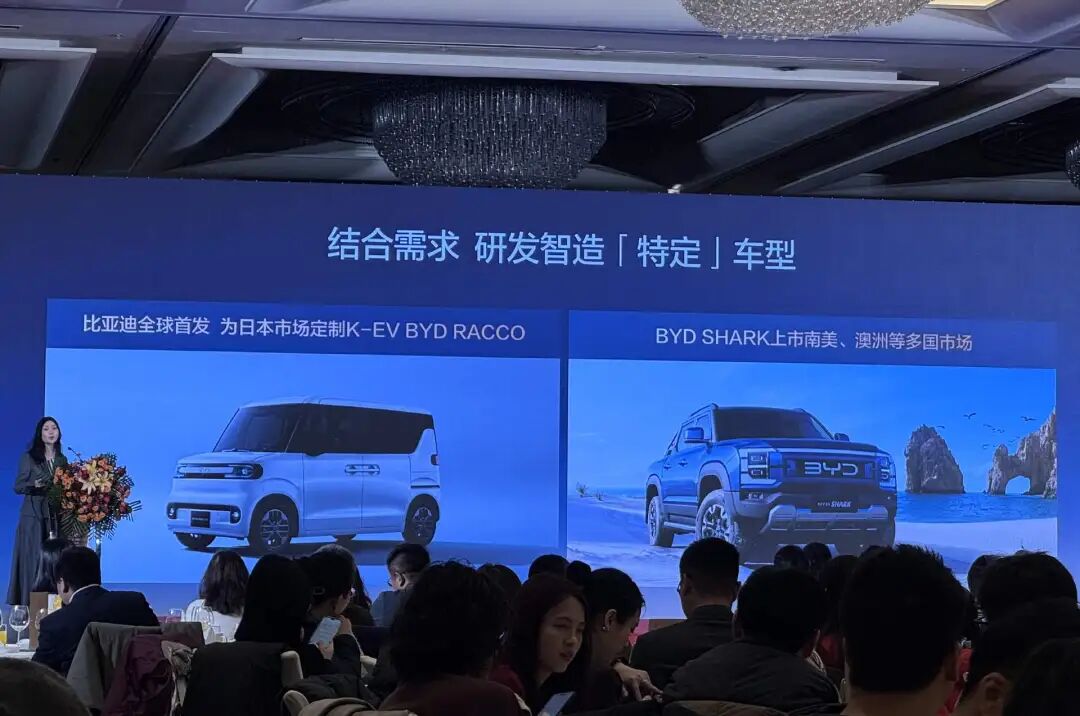
4.9万辆电车名额放出,加拿大消费者在热议什么?
3 6 Ke· 2026-01-30 13:02
Core Viewpoint - The Canadian government has released a quota allowing 49,000 Chinese electric vehicles (EVs) to enter the market at a reduced tariff, which will gradually increase to 70,000 over five years, amidst a heated public debate on the implications for consumers and the automotive industry [1]. Group 1: Government Policy and Market Impact - Starting in 2026, Canada will permit an annual import of up to 49,000 Chinese EVs under a 6.1% Most-Favored-Nation tariff, with plans to increase this quota to 70,000 over five years [1]. - By 2030, at least 50% of the imported Chinese EVs must be priced below CAD 35,000 (approximately RMB 177,000) [1]. - The 49,000 quota is expected to represent about 44.5% of the projected 110,000 EV sales in Canada for 2025, which is similar to the sales volume before the imposition of punitive tariffs [12]. Group 2: Consumer Preferences and Expectations - Canadian consumers have expressed a strong interest in specific Chinese brands, with BYD's Atto1 and Seal being frequently mentioned as desirable models [2][4]. - The BYD Shark pickup truck has garnered significant attention due to its suitability for Canadian climates and its hybrid structure, which addresses range anxiety [2][4]. - Other brands like Zeekr and Xiaomi's SU7 have also been highlighted as potential entrants, with consumers showing a preference for models that offer competitive pricing and features compared to traditional luxury brands [6][10]. Group 3: Concerns and Challenges - Consumers are worried about the adequacy of charging infrastructure in Canada, which is currently below that of EU countries, and the need for significant investment to meet future EV sales targets [16]. - There are concerns regarding the after-sales service and parts availability for Chinese EVs, as experiences from other markets indicate potential delays in repairs and maintenance [18][20]. - The lack of established dealer networks and compliance with North American safety standards poses additional barriers for Chinese EVs entering the Canadian market [20].