水墨铸魂

Search documents
“水墨铸魂”新实践惠及市民超20万人次
Hang Zhou Ri Bao· 2025-12-08 01:47
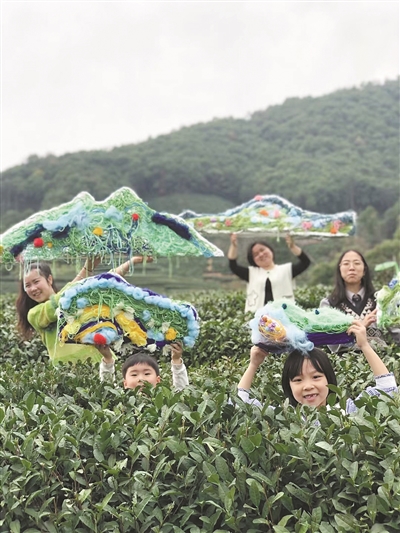
Core Viewpoint - The "Water Ink Casting Soul" initiative in Xihu District creatively integrates traditional Chinese culture into education, engaging students through hands-on experiences and innovative teaching methods, thereby fostering cultural confidence and moral values among the youth [5][9][10]. Group 1: Educational Innovation - A video showcasing children recreating the "Thousand Li Rivers and Mountains" painting using yarn has gone viral, highlighting a playful approach to traditional art [3]. - The initiative includes a series of courses titled "How Interesting Chinese Painting Is," which has become a core part of the "Water Ink Casting Soul" program, offering free classes in communities and schools [5]. - The program emphasizes experiential learning over traditional techniques, making Chinese art more accessible and engaging for students [5][6]. Group 2: Community Engagement - The program has successfully established "art education stations" in 10 communities, conducting over 60 activities that attract participation from families and residents, impacting more than 58,000 individuals [7]. - Collaboration with various organizations, including the Youth League and Women's Federation, has broadened the reach of traditional culture to families and communities [7]. - The initiative has also provided remote art education courses to 112 rural schools, benefiting over 20,000 students, thus promoting resource sharing between urban and rural areas [7]. Group 3: Cultural Impact - The "Water Ink Casting Soul" brand has reached over 200,000 participants, illustrating the effectiveness of integrating aesthetic education with cultural values [9]. - The program serves as a model for moral education and the innovative development of traditional culture, creating a framework that connects educational institutions with social resources [8][10]. - Experts highlight that this initiative not only revitalizes traditional culture but also aligns with contemporary educational philosophies, fostering a deeper understanding of cultural identity among youth [9][10].