汽车座椅手动滑轨

Search documents
汽车座椅手动滑轨市场呈现“低增长、高标准、强准入”的行业特征
QYResearch· 2026-01-04 08:52
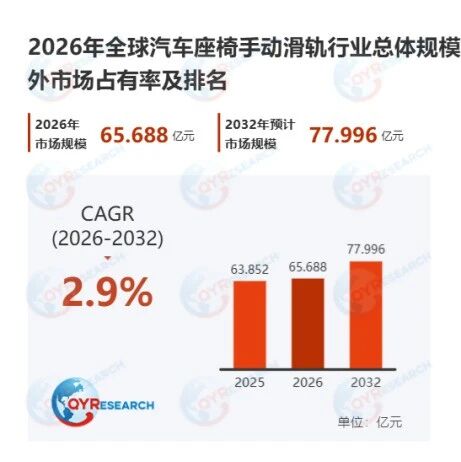
Core Viewpoint - The global automotive seat manual slide rail market is projected to reach USD 938 million in 2024, with a compound annual growth rate (CAGR) of 2.9% [4]. Industry Overview - Automotive seat manual slide rails are mechanical components installed between the seat and vehicle floor, allowing for front and rear seat adjustments. They consist of left and right slide rails, rollers/sliders, locking systems, and release handles [3]. - The demand for manual slide rails is driven by their cost efficiency, reliability, and platform standardization, making them the mainstream solution for seat adjustments in cost-sensitive vehicles [9]. Market Participants - Key companies in the automotive seat manual slide rail market include Adient, Brose, Hyundai Transys, Faurecia, Toyota Boshoku, Imasen Electric Industrial, and several others [4][5]. - Adient is recognized for its comprehensive automotive component solutions and strong project management capabilities [5]. - Brose focuses on integrating mechanical structures with electronic controls and emphasizes engineering innovation [5]. Supply Chain - The upstream supply chain includes materials and key components such as high-strength steel, springs, and surface treatment chemicals. The midstream involves seat frame suppliers and specialized slide rail manufacturers, while the downstream targets vehicle manufacturers and seat assembly plants [8]. Challenges - The industry faces challenges from increasing performance requirements and competitive pricing pressures. Stricter safety regulations necessitate reliable locking mechanisms and durability, while cost fluctuations in materials can compress profit margins [10][12]. Opportunities - Opportunities for growth lie in modular upgrades and functional integration. Suppliers can enhance product value through improved sliding performance and corrosion resistance, while also developing modular platforms for various seat configurations [13]. Barriers to Entry - Barriers to entry are significant due to the safety-critical nature of slide rails, which require compliance with stringent safety and durability standards. New entrants must possess advanced manufacturing capabilities and a robust quality assurance system [14].