沃拉西德尼

Search documents
跨国药企齐聚顺义,共商罕见病药品进口“绿色通道”
Xin Lang Cai Jing· 2026-02-06 04:31
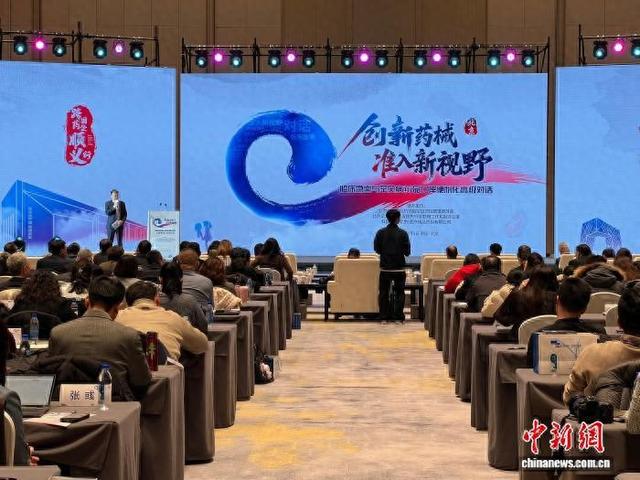
Core Insights - The event "Multinational Pharmaceutical Enterprises Shunyi Action" aimed to optimize the import pathways for urgently needed and rare disease drugs, gathering over 200 participants from government, medical institutions, and multinational pharmaceutical companies to discuss new facilitation measures [1] Group 1: Policy and Regulatory Framework - Experts from various organizations shared insights on the import of rare disease and urgently needed drugs, focusing on drug application, expert evaluation, and pharmaceutical service models to enhance drug accessibility and affordability [3] - The Beijing Municipal Medical Insurance Bureau and other departments introduced new policies supporting the high-quality development of innovative drugs and measures for customs facilitation at Tianzhu Port [3] Group 2: Innovative Practices and Achievements - The Capital Airport Economic Zone has implemented a "white list system, bonded stockpiling, phased exit from the zone, and full traceability" model to facilitate the clinical use of urgently needed drugs that are available abroad but not yet in China [3] - The policy for the rare disease drug guarantee zone has created a fast track for the import of urgently needed rare disease drugs, transforming the situation from "people waiting for drugs" to "drugs waiting for people" [5] Group 3: Industry Growth and Economic Impact - The Shunyi District has prioritized the pharmaceutical and health industry, aiming for an overall industry scale of 69.1 billion by 2025, with an average annual growth rate of 17.4% over three consecutive years [5] - Tianzhu Comprehensive Bonded Zone's pharmaceutical trade has exceeded 100 billion for three consecutive years, accounting for nearly one-third of the national total, solidifying its position as the largest pharmaceutical trade port in China [5] Group 4: Future Directions and Strategic Initiatives - The release of the first special support policy for the pharmaceutical health industry in Shunyi District is expected to strengthen its hub position in pharmaceutical trade and attract multinational pharmaceutical companies to establish R&D and supply chain operations [6]

临床急需与罕见病药品进口便利化高级别对话活动在京举办
Zhong Guo Xin Wen Wang· 2026-02-05 14:10
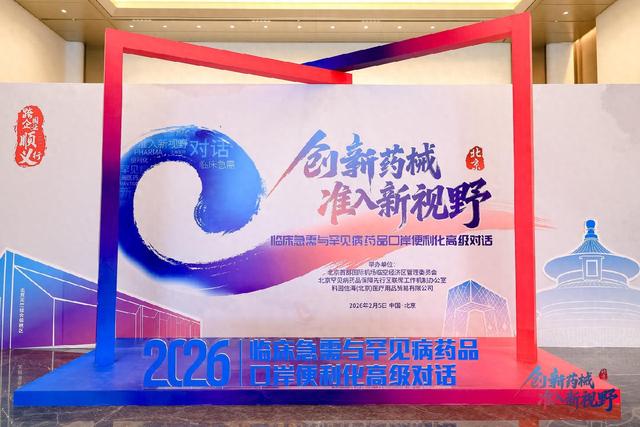
Core Viewpoint - The event "Multinational Pharmaceutical Enterprises Shunyi Action" aims to optimize the import pathways for urgently needed and rare disease drugs, enhancing drug accessibility and improving public welfare through collaborative discussions among government departments, medical institutions, and multinational pharmaceutical companies [1][3]. Group 1: Event Overview - The event gathered over 200 participants, including representatives from government agencies, medical institutions, and more than 50 multinational pharmaceutical companies, to discuss key issues related to drug imports and medical trade facilitation [3][5]. - Key topics included the import of urgently needed and rare disease drugs, innovative measures for medical trade ports, and policies empowering the pharmaceutical and health industry [3][5]. Group 2: Policy Insights and Implementation - Authorities from the Beijing Municipal Drug Administration, Health Commission, and other organizations shared insights on drug importation processes, expert evaluations, and pharmaceutical service models to enhance drug accessibility and affordability [4]. - The Shunyi District has introduced supportive policies for the pharmaceutical and health industry, showcasing Beijing's efforts in accelerating market access and creating a favorable business environment [4][7]. Group 3: Economic Impact and Future Prospects - The Shunyi District aims to develop the pharmaceutical health industry as a key sector, with an expected industry scale of 69.1 billion by 2025, achieving an average annual growth rate of 17.4% over three years [6]. - The Tianzhu Comprehensive Bonded Zone has seen its pharmaceutical trade exceed 100 billion for three consecutive years, accounting for nearly one-third of the national total, solidifying its position as the largest pharmaceutical trade port in China [6].