沙虫口服液

Search documents
“自从进了直播群,老人就跟着魔一样”
Xin Lang Cai Jing· 2025-12-25 04:05
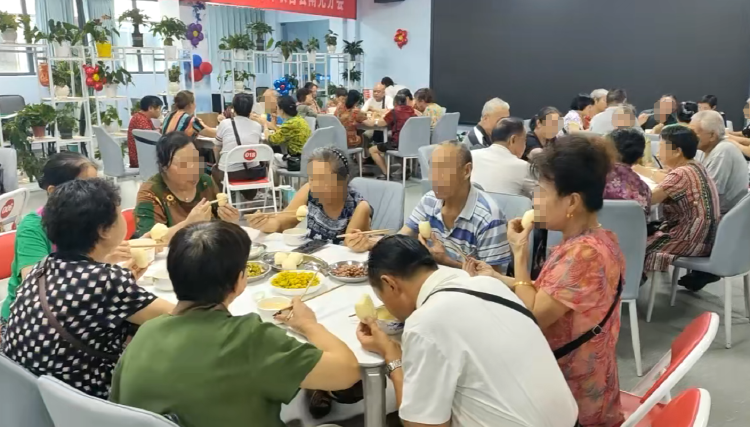
Core Viewpoint - The rise of private domain live streaming has created a predatory model targeting the elderly, leading to significant financial and emotional harm for this demographic [2][19][34]. Group 1: Company Practices - Companies like 华夏百川 utilize deceptive marketing tactics, including exaggerated claims about health benefits of their products, to lure elderly customers into purchasing expensive items [1][19]. - The operational model involves creating closed WeChat groups where elderly individuals are encouraged to participate in live streams and engage in purchasing behaviors through incentives like free meals and cash rewards [4][6][14]. - Staff members often build personal relationships with elderly customers, referring to them as "uncle" or "aunt," to foster trust and encourage spending [4][27]. Group 2: Consumer Behavior - Elderly consumers often become emotionally attached to the live streaming experience, viewing it as a source of companionship and social interaction, which drives their continued spending [31][35]. - Many elderly individuals have reported spending significant amounts on products that are often overpriced and lack legitimate branding, with some accumulating expenses exceeding 50,000 yuan [18][30]. - The average spending per elderly consumer in private domain live streaming has been reported to be higher than in public domain live streaming, indicating a more intense financial impact [30]. Group 3: Regulatory Concerns - The private domain live streaming sector is characterized by a lack of effective regulation, with companies often evading accountability through tactics like closing groups and destroying evidence [33][36]. - The National Market Supervision Administration has identified issues such as false advertising and the use of fake expert endorsements as prevalent in this industry, necessitating stricter oversight [19][33]. - Experts suggest that a multi-faceted regulatory approach is required, including monitoring offline promotional activities and enhancing consumer protection mechanisms for the elderly [36].

“围猎”老年人的私域直播
Yang Guang Wang· 2025-12-25 00:40
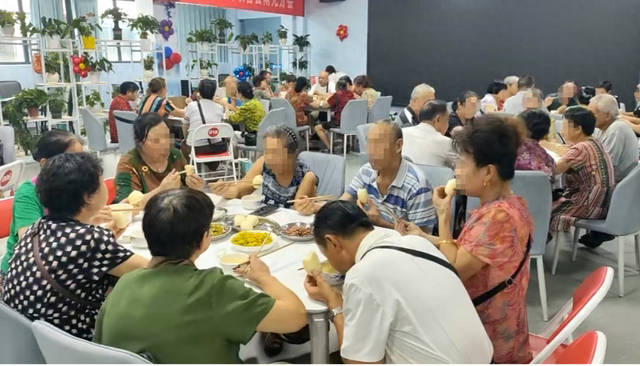
Core Viewpoint - The article highlights the predatory practices of private domain live streaming targeting elderly consumers, leading to significant financial and emotional harm for this demographic [17][31][32]. Group 1: Overview of Private Domain Live Streaming - Private domain live streaming has developed a targeted approach to attract elderly consumers, often using deceptive marketing tactics and emotional manipulation [24][25]. - The industry employs a variety of strategies, including free meals and social interactions, to build trust and encourage spending among older adults [4][6][25]. Group 2: Marketing Tactics and Consumer Behavior - Common tactics include creating WeChat groups where elderly participants are encouraged to watch live streams, sign in, and purchase products, often leading to excessive spending [3][13]. - The average spending of elderly consumers in private domain live streaming is significantly higher than in public domain live streaming, with reported average expenditures reaching over 10,000 yuan [27]. Group 3: Regulatory Concerns and Industry Challenges - The private domain live streaming sector faces scrutiny for false advertising, exaggerated claims about product efficacy, and lack of proper regulatory oversight [17][29]. - Regulatory bodies are working to enhance monitoring and enforcement to protect elderly consumers from deceptive practices, but challenges remain due to the covert nature of these operations [29][33]. Group 4: Emotional and Social Implications - The emotional dependency of elderly consumers on live streaming interactions is a significant concern, as many view these sessions as a source of companionship and social engagement [28][32]. - The phenomenon not only affects individual financial stability but also disrupts family dynamics and trust, leading to generational conflicts [31].