私域直播

Search documents
私域直播“围猎”老人:入群审核、隐秘开播,处方药当保健品卖|“315”特别策划
经济观察报· 2026-03-16 05:07
Core Viewpoint - The article highlights the hidden and routine characteristics of private live streaming targeting the elderly, which operates in closed environments like WeChat groups, exclusive links, and encrypted live rooms, making regulatory oversight challenging [1][20]. Group 1: Operation of Private Live Streaming - Private live streaming sessions are often conducted by individuals posing as medical experts, promoting various health products, including prescription drugs, to elderly participants [2][6]. - The live streaming sessions are initiated through private WeChat groups, where entry is controlled by group owners who vet members [3][5]. - Participants are required to engage in activities such as signing in and answering questions to maintain their membership and access to live streams, which fosters user engagement [18][17]. Group 2: Regulatory Challenges - The private nature of these live streams complicates platform regulation, as they employ various tactics to evade oversight, such as using exclusive mini-programs and changing names when banned [20][21]. - Regulatory bodies have identified the sale of prescription drugs through these channels as a violation of advertising laws, emphasizing the need for stricter oversight [12][13]. - Suggestions for improving regulation include incorporating mini-programs into oversight frameworks and establishing consumer protection mechanisms specifically for elderly users [21]. Group 3: Consumer Vulnerability - Many elderly individuals are drawn into these private live streams, often leading to significant financial expenditures on unverified health products [2][3]. - The article discusses the psychological and cognitive vulnerabilities of elderly consumers, which are exploited by targeted marketing strategies in these private groups [21]. - The need for a support system for families of elderly consumers is highlighted, suggesting that family members should be informed of significant expenditures made by their elderly relatives [21].


进货价几块,摇身一变高价“神药”,私域直播黑产盯上癌症患者
21世纪经济报道· 2026-03-12 15:38
Core Viewpoint - The article highlights the emergence of a black market industry within private domain live streaming, where low-cost food products are marketed as miraculous health solutions, particularly targeting elderly consumers, without any regulatory oversight or proper product registration [6][7][8]. Industry Overview - The private domain live streaming sector is rapidly growing, with projections indicating over 26,000 live streaming rooms and more than 10,000 companies by the end of 2025, with significant sales figures reported [6][7]. - The industry is transitioning from a billion to a trillion scale, with some companies achieving monthly sales of 1 billion yuan [6]. Black Market Dynamics - A well-organized black market chain exists, involving manufacturers, MCN agencies, and influencers who misrepresent ordinary food products as health cures, exploiting the lack of regulation in private domain live streaming [6][7][8]. - The use of coded language and psychological manipulation techniques is prevalent, with influencers employing fear tactics and urgency to drive sales [12][13]. Consumer Protection Challenges - Consumers face significant challenges in protecting themselves, as products are often sold at inflated prices, and after-sales support is virtually non-existent [8][10]. - Legal experts suggest that consumers need to gather comprehensive evidence to support claims of false advertising or fraud, as the burden of proof lies heavily on them [10][22]. Regulatory Environment - The current regulatory framework is inadequate, with low penalties for violations failing to deter illegal practices in the private domain live streaming sector [20][21]. - Recent regulatory measures aim to curb misleading advertising practices, particularly those targeting vulnerable populations like the elderly [20][21][22].

数字人主播将被纳入直播电商监管
Xin Hua She· 2026-01-07 08:02
Core Viewpoint - The State Administration for Market Regulation and the National Internet Information Office have jointly issued the "Live E-commerce Supervision and Management Measures" to enhance regulation in the live e-commerce sector, particularly focusing on the use of artificial intelligence and flow control measures [1] Group 1: Regulatory Measures - The new measures aim to strengthen regulatory tools by incorporating flow control into the regulatory framework [1] - The regulation includes provisions for monitoring operators, marketing personnel, and service agencies involved in live e-commerce, requiring platforms to take timely actions against violations [1] - Specific actions that platforms must take include warnings, limiting functionalities, suspending live broadcasts, and blacklisting offenders [1] Group 2: Artificial Intelligence Oversight - The measures mandate that any use of AI-generated images or videos in live e-commerce must be clearly identified and continuously communicated to consumers [1] - This aims to prevent new technologies from being used as a shield for generating or disseminating false information [1] Group 3: Private Domain Live Streaming - The regulation also extends to private domain live streaming, requiring other online service providers to fulfill their obligations as platform operators based on the specific services they offer [1]

骗子网课看上瘾,“私域直播”爆中老年金币
3 6 Ke· 2026-01-05 05:29
Core Viewpoint - The article discusses the rise of scams targeting the elderly population in China, particularly through private live streaming and online courses, which have become increasingly popular among older adults. This trend highlights the evolution of fraudulent practices as technology advances, making it easier for scammers to exploit vulnerable groups. Group 1: Rise of Online Learning Among the Elderly - More elderly individuals are engaging in online courses, leading to increased consumption of health products and scams [1][3] - The phenomenon of "private domain live streaming" has emerged, where scammers target older adults through WeChat groups and other private channels, avoiding stricter regulations found on public platforms [5][6][7] Group 2: Scamming Techniques and Operations - Scammers create a sense of urgency and exclusivity by using temporary live streaming links and requiring passwords, which keeps the elderly engaged and prevents them from questioning the legitimacy of the content [9][11] - Scammers often disguise themselves as legitimate businesses, using storefronts to gain trust and lure elderly customers into their schemes [16][18] Group 3: Psychological Manipulation and Technology Use - Scammers employ various technological methods, including fake viewer counts and automated comments, to create an illusion of popularity and credibility during live streams [21][22][24] - The article notes that elderly individuals are often unaware of these manipulative tactics, leading them to believe they are part of a vibrant community [24][26] Group 4: Economic Impact and Future Trends - The article highlights the significant economic losses faced by elderly individuals due to scams, with a growing number of older adults becoming victims as they increasingly engage with digital platforms [50][52] - The trend of elderly individuals becoming more tech-savvy presents both opportunities and challenges, as they navigate the digital landscape while remaining vulnerable to scams [54]
“自从进了直播群,老人就跟着魔一样”
Xin Lang Cai Jing· 2025-12-25 04:05
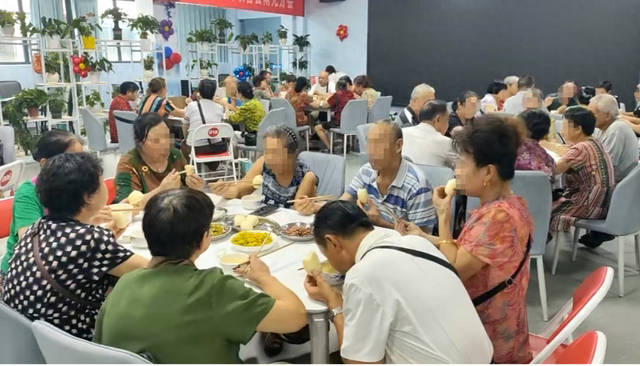
Core Viewpoint - The rise of private domain live streaming has created a predatory model targeting the elderly, leading to significant financial and emotional harm for this demographic [2][19][34]. Group 1: Company Practices - Companies like 华夏百川 utilize deceptive marketing tactics, including exaggerated claims about health benefits of their products, to lure elderly customers into purchasing expensive items [1][19]. - The operational model involves creating closed WeChat groups where elderly individuals are encouraged to participate in live streams and engage in purchasing behaviors through incentives like free meals and cash rewards [4][6][14]. - Staff members often build personal relationships with elderly customers, referring to them as "uncle" or "aunt," to foster trust and encourage spending [4][27]. Group 2: Consumer Behavior - Elderly consumers often become emotionally attached to the live streaming experience, viewing it as a source of companionship and social interaction, which drives their continued spending [31][35]. - Many elderly individuals have reported spending significant amounts on products that are often overpriced and lack legitimate branding, with some accumulating expenses exceeding 50,000 yuan [18][30]. - The average spending per elderly consumer in private domain live streaming has been reported to be higher than in public domain live streaming, indicating a more intense financial impact [30]. Group 3: Regulatory Concerns - The private domain live streaming sector is characterized by a lack of effective regulation, with companies often evading accountability through tactics like closing groups and destroying evidence [33][36]. - The National Market Supervision Administration has identified issues such as false advertising and the use of fake expert endorsements as prevalent in this industry, necessitating stricter oversight [19][33]. - Experts suggest that a multi-faceted regulatory approach is required, including monitoring offline promotional activities and enhancing consumer protection mechanisms for the elderly [36].
“围猎”老年人的私域直播
Yang Guang Wang· 2025-12-25 00:40
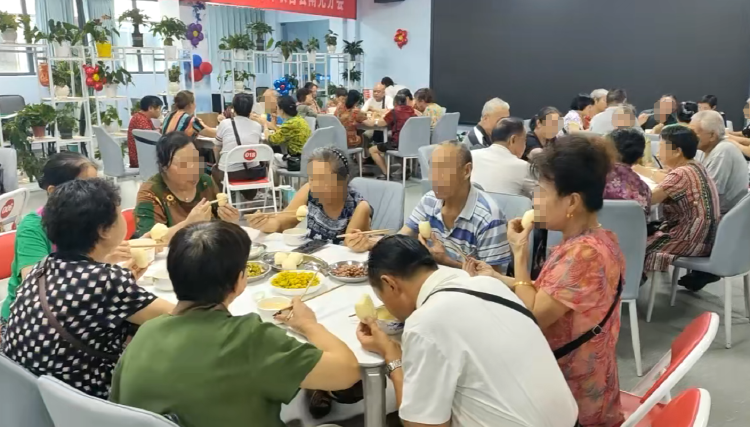
Core Viewpoint - The article highlights the predatory practices of private domain live streaming targeting elderly consumers, leading to significant financial and emotional harm for this demographic [17][31][32]. Group 1: Overview of Private Domain Live Streaming - Private domain live streaming has developed a targeted approach to attract elderly consumers, often using deceptive marketing tactics and emotional manipulation [24][25]. - The industry employs a variety of strategies, including free meals and social interactions, to build trust and encourage spending among older adults [4][6][25]. Group 2: Marketing Tactics and Consumer Behavior - Common tactics include creating WeChat groups where elderly participants are encouraged to watch live streams, sign in, and purchase products, often leading to excessive spending [3][13]. - The average spending of elderly consumers in private domain live streaming is significantly higher than in public domain live streaming, with reported average expenditures reaching over 10,000 yuan [27]. Group 3: Regulatory Concerns and Industry Challenges - The private domain live streaming sector faces scrutiny for false advertising, exaggerated claims about product efficacy, and lack of proper regulatory oversight [17][29]. - Regulatory bodies are working to enhance monitoring and enforcement to protect elderly consumers from deceptive practices, but challenges remain due to the covert nature of these operations [29][33]. Group 4: Emotional and Social Implications - The emotional dependency of elderly consumers on live streaming interactions is a significant concern, as many view these sessions as a source of companionship and social engagement [28][32]. - The phenomenon not only affects individual financial stability but also disrupts family dynamics and trust, leading to generational conflicts [31].
免费鸡蛋、高价“神药”……私域直播“坑老”套路,别上当!
Yang Shi Xin Wen· 2025-12-23 07:30
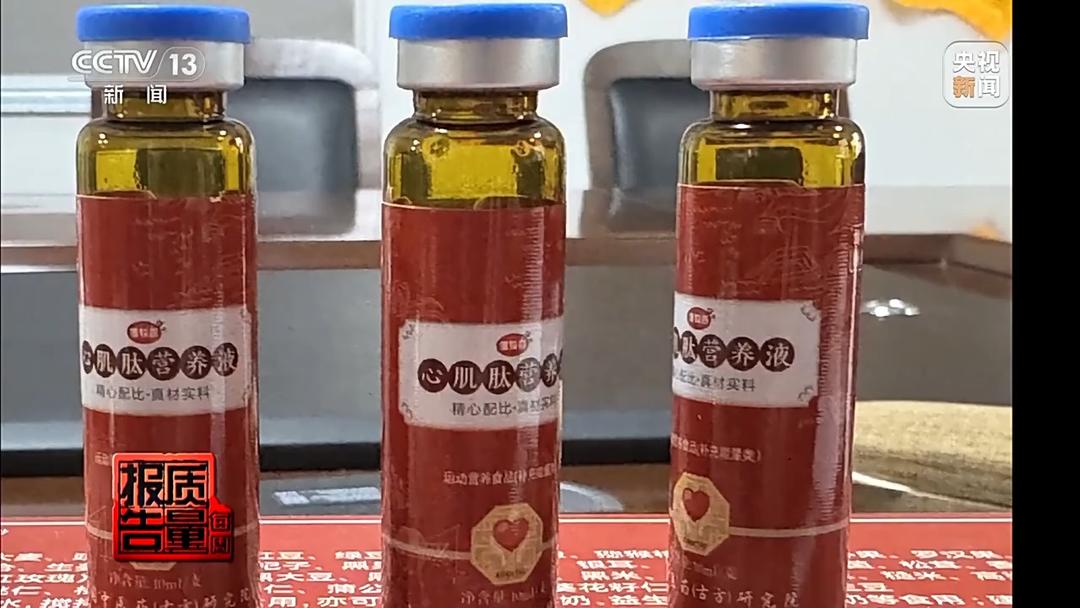
Core Viewpoint - The article highlights the issue of fraudulent practices in private domain live streaming, particularly targeting elderly consumers with misleading health claims and products disguised as medicine [1][15]. Group 1: Fraudulent Practices - A private domain live streaming session in Tianjin misled consumers by promoting a regular food product as a "miracle drug" for heart diseases, claiming it was developed from a "secret formula" by a so-called traditional medicine practitioner [2][4]. - The live stream attracted a significant audience, maintaining 4,000 to 7,000 viewers throughout the session, indicating a high level of engagement among elderly consumers [4][11]. - The products sold, including the "heart muscle peptide nutritional liquid," were falsely advertised with exaggerated health benefits, leading to substantial financial gains for the sellers [9][11]. Group 2: Regulatory Response - Market regulators discovered that the claims made by the live stream were entirely fabricated, with no evidence supporting the existence of the so-called "traditional medicine practitioner" or the legitimacy of the products [6][12]. - The regulatory authorities imposed a fine of 600,000 yuan on the involved parties for false advertising and ordered them to cease illegal activities [11]. - The platform facilitating the live stream, "Xiao E Tong," faced scrutiny for inadequate content review processes, leading to further regulatory actions including a fine of 360,000 yuan and the removal of over 16,000 pieces of non-compliant content [12][11]. Group 3: Consumer Protection Measures - New regulations are being proposed to address the challenges of evidence collection in private domain live streaming, including requirements for platforms to provide transaction video playback for at least 30 days post-broadcast [13]. - Experts emphasize the need for consistency in regulations, suggesting that online practices should mirror offline restrictions to prevent misleading marketing tactics [14]. - The China Consumers Association has issued warnings about the tactics used to lure elderly consumers, such as offering free items and conducting misleading health seminars [15][17].

揭秘私域直播“坑老”:免费鸡蛋引流 高价“神药”收割
Yang Shi Xin Wen· 2025-12-21 15:46
Core Viewpoint - The article highlights the issue of fraudulent practices in private domain live streaming, particularly targeting elderly consumers with misleading health claims and products disguised as medicine [1][9][30]. Group 1: Fraudulent Practices - Private domain live streaming is characterized by high user targeting and strong interactivity, but it is also prone to misuse by unscrupulous merchants for scams [1][9]. - A specific case in Tianjin involved a live streaming session promoting a product called "Heart Muscle Peptide Nutritional Liquid" as a cure for heart diseases, misleading many elderly consumers [2][4]. - The product was falsely claimed to be developed from a secret formula by a so-called "healer," with fabricated testimonials to support its efficacy [4][6]. Group 2: Regulatory Response - Market regulators in Tianjin discovered that the claims made during the live stream were entirely fictitious, with no basis for the "healer" or the research institute mentioned [6][19]. - The live streaming operation was found to have generated over 1 million yuan in sales within three months, with products sold at inflated prices [15]. - Regulatory authorities have imposed fines totaling 60,000 yuan on the involved parties for false advertising and have mandated corrective actions [21]. Group 3: Industry Challenges - The private domain live streaming sector has become a breeding ground for scams targeting elderly consumers, with platforms failing to enforce adequate content review processes [16][19]. - The lack of effective regulatory measures has made it difficult to gather evidence against fraudulent activities, complicating enforcement actions [24][26]. - The market supervision department has initiated a special campaign against false advertising in the private domain live streaming sector, resulting in numerous cases and significant fines [23][30].
央视曝光!商家用免费鸡蛋吸引老人进店入群,卖高价“神药”,3个月吸纳超万人建百余群,销售超百万
Xin Lang Cai Jing· 2025-12-21 10:25
Core Viewpoint - The article highlights the deceptive practices in private domain live streaming, particularly targeting elderly consumers with false health claims and high-priced products, leading to significant financial exploitation [1][8]. Group 1: Private Domain Live Streaming Practices - Private domain live streaming is characterized by high user targeting accuracy and strong interactivity, but it is also prone to exploitation by unscrupulous businesses to evade regulation [1][8]. - A specific case in Tianjin involved a live streaming session promoting a product falsely claimed to treat heart diseases, attracting a large audience of elderly consumers [3][5]. - The products sold, including a so-called "heart muscle peptide nutritional liquid," were misrepresented as effective treatments, with claims of miraculous results [3][5]. Group 2: Regulatory Actions and Findings - Market regulators discovered that the claims made during the live streams were fabricated, with no legitimate basis for the "expert" endorsements or product efficacy [5][7]. - The regulatory response included a fine of 600,000 yuan for the involved company, which had generated over 1 million yuan in sales within three months [11]. - The platform facilitating these live streams, "Xiao E Tong," was also found to have inadequate content review processes, leading to violations of e-commerce laws [13][15]. Group 3: Consumer Protection and Industry Implications - The article notes a significant increase in cases of false advertising targeting elderly consumers, with over 5,700 cases reported and fines totaling approximately 96 million yuan in 2023 [16]. - The Chinese Consumers Association indicated that complaints regarding elderly consumer traps and private domain marketing are rising, emphasizing the need for stricter regulations [17][19]. - The industry is urged to adopt responsible practices, especially as the private domain e-commerce sector is projected to reach 5 trillion yuan by 2024, necessitating compliance with upcoming regulatory frameworks [21].

私域直播“坑老”套路全拆解:免费鸡蛋引流 高价“神药”收割
Xin Lang Cai Jing· 2025-12-21 08:23
Core Viewpoint - The article highlights the rise of private domain live streaming as a method for targeted marketing, which has been exploited by unscrupulous merchants to defraud elderly consumers by misrepresenting ordinary food products as miraculous medicines [1][5][8]. Group 1: Private Domain Live Streaming Characteristics - Private domain live streaming is characterized by high user targeting and strong interactivity, but it also has a hidden nature that allows it to evade regulation [1][5]. - A specific case in Tianjin involved a live stream promoting a product called "Heart Muscle Peptide Nutritional Liquid," falsely claimed to treat heart diseases, attracting significant attention from elderly consumers [3][5]. Group 2: Fraudulent Practices - The live stream falsely claimed that the product was developed based on a secret formula from a "hereditary physician," with exaggerated testimonials from elderly users [3][5]. - The products promoted in the live stream, including the "Heart Muscle Peptide Nutritional Liquid," were found to be ordinary food items misrepresented as medicinal, with no legitimate backing for the claims made [5][7]. Group 3: Regulatory Response - Market regulators in Tianjin discovered that the live stream's claims were entirely fabricated, leading to an administrative penalty of 600,000 yuan for false advertising [11]. - The private domain live streaming platform "Xiao E Tong" was also found to have inadequate content review processes, allowing misleading claims to proliferate [12][14]. Group 4: Industry Challenges and Recommendations - The article discusses the challenges of regulating private domain live streaming, particularly the difficulty in obtaining evidence of fraudulent activities [19][21]. - Recommendations include the need for platforms to maintain transaction records and improve content review mechanisms to protect consumers, especially the elderly [21][25].