泰达币)

Search documents
美元反击稳定币
3 6 Ke· 2025-12-11 03:46
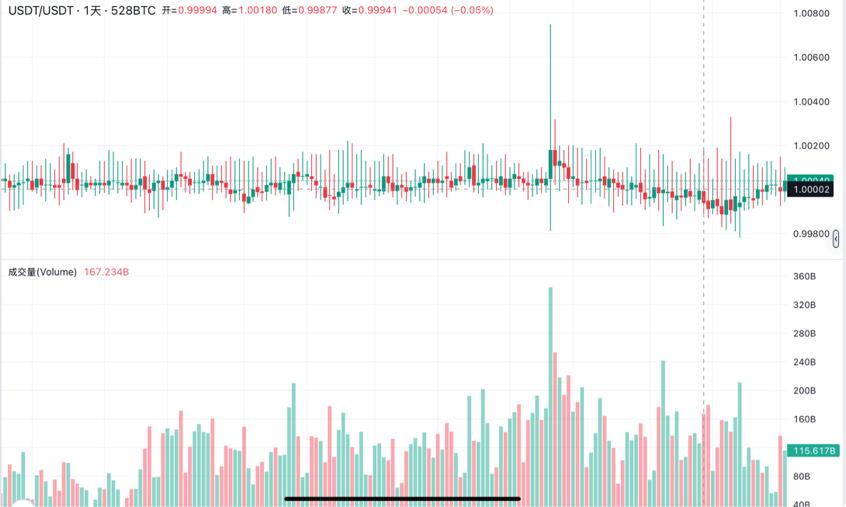
Core Viewpoint - The stability of stablecoins, particularly Tether (USDT), is under scrutiny as S&P downgraded its rating from "4 (restricted)" to "5 (weak)", the lowest level in its rating system, due to increased high-risk asset exposure and ongoing information disclosure gaps [1][2][6]. Group 1: Rating Downgrade and Market Impact - S&P's downgrade of Tether's rating highlights rising high-risk assets in its reserves, including Bitcoin and gold, which could undermine USDT's asset coverage during market volatility [3][4][6]. - Despite the downgrade, USDT maintained a stable price around $1, indicating resilience in market confidence, with a total market capitalization of $185.3 billion and nearly 60% of the stablecoin market share [8][11]. - The stable price of USDT reflects a complex reality in the cryptocurrency market, where its status as a "hard currency" remains intact despite the downgrade [11][12]. Group 2: Regulatory Environment and Risks - The People's Bank of China defined stablecoins as a form of virtual currency, marking related activities as illegal financial operations, which could impact USDT's operations in China [2][18]. - The regulatory stance is influenced by concerns over money laundering and the potential for stablecoins to undermine the status of national currencies [18][19]. - Future developments may see a shift towards digital yuan as the primary focus in the domestic digital currency landscape, potentially sidelining stablecoins [19]. Group 3: Asset Composition and Transparency Issues - Tether's reserves include a significant portion of high-risk assets, with Bitcoin making up 5.6% of its total USDT circulation, raising concerns about liquidity during market stress [3][5][12]. - The lack of transparency in Tether's reserve assets has been a long-standing concern, with limited disclosure on the quality and structure of its holdings compared to competitors like USDC [16][17]. - Tether's asset composition, which includes a substantial amount of commercial paper and other high-risk securities, contrasts sharply with USDC's more secure asset base, leading to increased scrutiny from rating agencies [16][17].