深海密封材料

Search documents
《求是》聚焦海洋经济!深海新材料:中国为何能 “下五洋捉鳖”
材料汇· 2026-03-15 15:33AI Processing
点击 最 下方 关注《材料汇》 , 点击"在看"和" "并分享 添加 小编微信 ,遇见 志同道合 的你 正文 3月16日出版的第6期《求是》杂志发表习近平总书记重要文章《推动海洋经济高质量发展》,强调 "要提高海洋科技自主 创新能力,加强原创性、引领性科技攻关,突破制约海洋经济发展的科技瓶颈" ,为我国向海图强、深耕深海指明方向。 从 "奋斗者" 号万米深潜到 "深海一号" 超深水开发,从大洋钻探到极地科考,中国 "下五洋捉鳖" 的底气, 本质是深海科技 自立自强的底气 ;而支撑这一切的,正是被称为 "深海隐形冠军" 的 深海新材料 —— 它们是深海装备的 "筋骨" 与 "皮 肤",是突破万米深渊、开发蓝色国土的 核心物质基础 。 此前我们聚焦深海新材料赛道,深度剖析了中国在 深海钛合金、深海浮力材料、深海密封材料、深海防腐涂层、深海光纤 / 缆材 等关键领域的技术突破与产业格局,回答了一个核心问题: 中国凭啥有下五洋捉鳖的自信与野心? 答案就藏在《推动海洋经济高质量发展》的战略部署里: 文章强调"做强做优做大海洋产业,培育壮大海洋新兴产业" ,深海新材料正是海洋高端装备、深海能源、深海探测的 上游 核心赛道 ...


2025年中国深海科技行业原材料现状 深海材料决定着科技能力的边界【组图】
Xin Lang Cai Jing· 2026-01-21 08:13
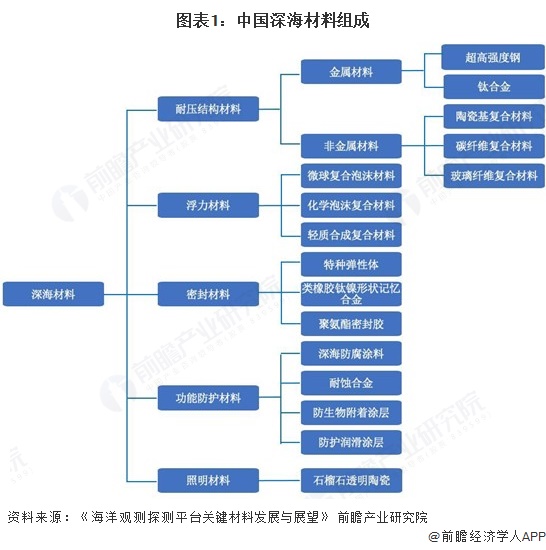
Core Viewpoint - The development of deep-sea materials is crucial for advancing deep-sea technology and unlocking the potential of the trillion-dollar deep-sea mineral resources market, supporting the entire industry chain from equipment manufacturing to resource utilization [1][3]. Group 1: Deep-Sea Materials Overview - Deep-sea materials are essential for operations in extreme environments characterized by high pressure, low temperature, and strong corrosion, directly influencing development capabilities [1]. - These materials can be categorized by function into pressure-resistant structural materials, buoyancy materials, sealing materials, protective materials, and lighting materials, and by properties into high-strength metal materials, polymer composites, and ceramic-based composites [1][3]. Group 2: Pressure-Resistant Structural Materials - Pressure-resistant structural materials are divided into metal and non-metal categories, with metal systems being more mature, including high-strength alloy steel, titanium alloys, and aluminum alloys [3]. - Non-metal materials are also making progress, with composite materials showing significant potential due to their lightweight and corrosion-resistant properties [3][4]. Group 3: Titanium Alloys - Titanium alloys, known as "marine metals," are favored for their high strength, excellent corrosion resistance, and low density (60% of steel), making them ideal for marine engineering and deep-sea pressure vessels [5]. - Companies like BaoTi Co., Ltd. and Western Materials are leading in titanium alloy production, with BaoTi being the largest global producer and achieving mass production of deep-sea titanium alloy components [7]. Group 4: Sealing Materials - Deep-sea sealing materials include rubber sealing materials, metal sealing materials, and special engineering plastics, with rubber materials currently dominating the market [9]. - Metal seals, particularly titanium and nickel-based alloys, are gaining attention for their superior durability and temperature adaptability in deep-sea applications [9]. Group 5: Corrosion-Resistant Materials - Corrosion-resistant materials are critical in deep-sea environments, with methods to reduce corrosion including the development of new materials and the application of protective coatings [11]. - Common anti-corrosion coatings used in marine applications include rubber-based, epoxy-based, fluorocarbon, and organic silicone coatings, each with specific advantages and limitations [11].