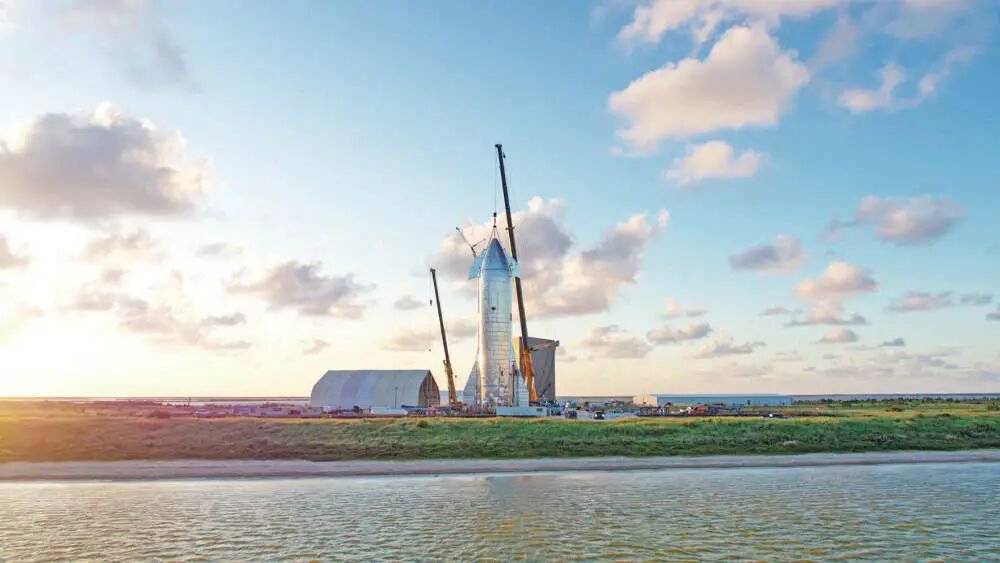
猎鹰9号火箭(Falcon 9)

Search documents
马斯克暗示启动史上最大IPO,目标估值达1.5万亿美元
Sou Hu Cai Jing· 2025-12-11 13:57
Core Viewpoint - SpaceX, founded by Elon Musk, is showing signs of potentially going public, a significant shift from its previous stance against an IPO due to concerns over short-term profit pressures conflicting with its long-term goals of establishing a human presence on Mars [3][4]. Group 1: Shift in IPO Stance - SpaceX has historically resisted going public, fearing that quarterly profit demands would hinder its ambitious Mars colonization plans [3]. - Recent increases in capital expenditures have led to a reconsideration of this stance, as Musk's ambitions now require more funding than private markets can provide [3][4]. - The company is exploring the possibility of an IPO to support its extensive projects, including the integration of AI in space operations [3][4]. Group 2: Financial Health and Growth Projections - SpaceX's financial situation is robust, primarily due to the explosive growth of its Starlink business, with projected revenues of $15 billion in 2025 and $22 billion to $24 billion in 2026 [4]. - Musk has confirmed that SpaceX has maintained positive cash flow for years and conducts regular stock buybacks to provide liquidity to employees and investors [4]. - The company is reportedly preparing for a new round of internal share sales, potentially valuing it at over $500 billion, with estimates suggesting a future valuation of up to $1.5 trillion [5][6]. Group 3: Market Position and Achievements - SpaceX has established itself as a leader in the commercial space sector, achieving significant milestones such as the first successful crewed mission to the International Space Station by a private company [6]. - The company is not solely valued based on current revenue, as its market position and growth potential in the commercial space industry contribute significantly to its high valuation [6]. - SpaceX's Starlink project has become a major revenue driver, with over 9,440 satellites launched and more than 8,100 currently in orbit, making it the largest satellite constellation globally [7].