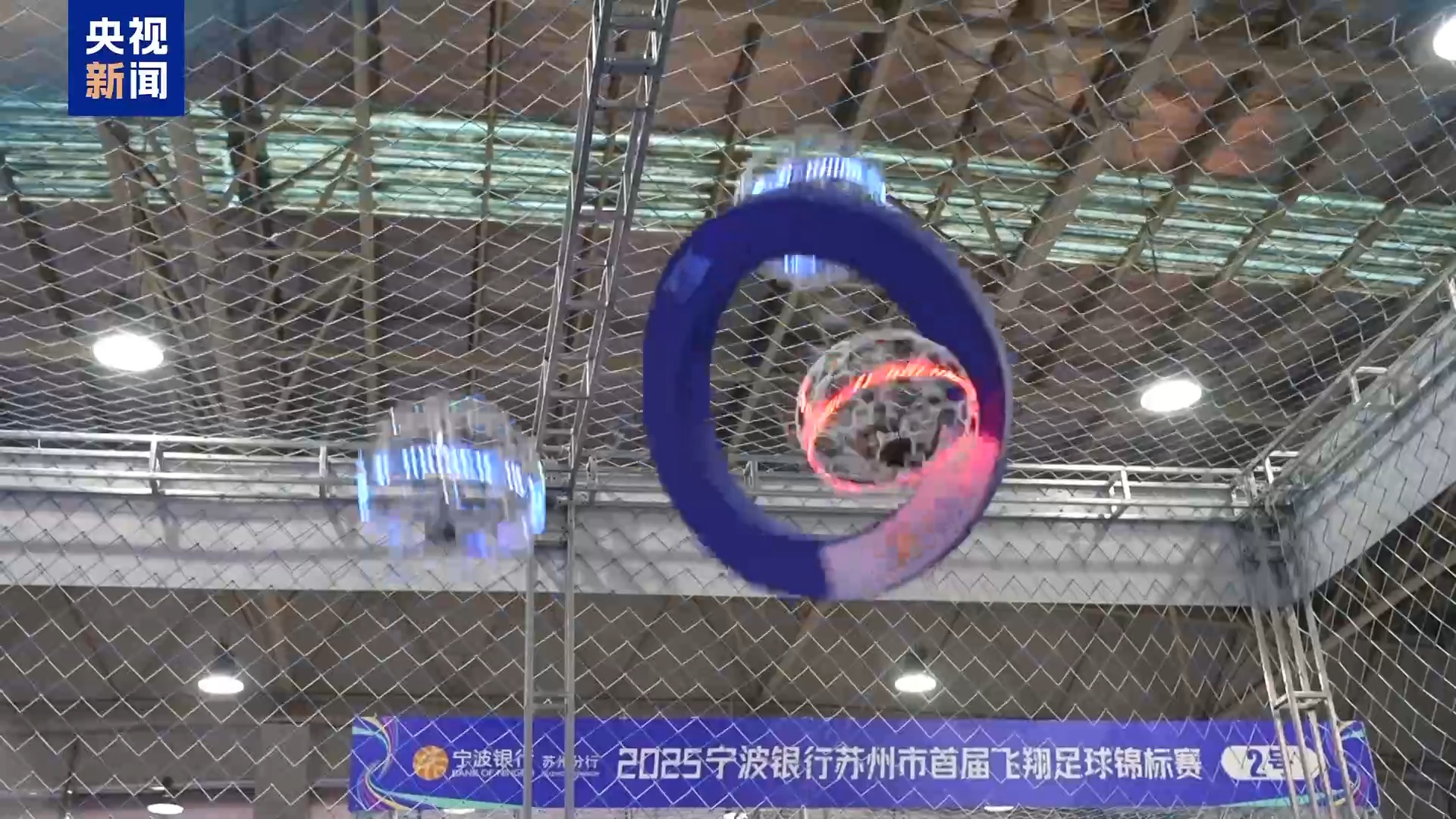
球形无人机

Search documents
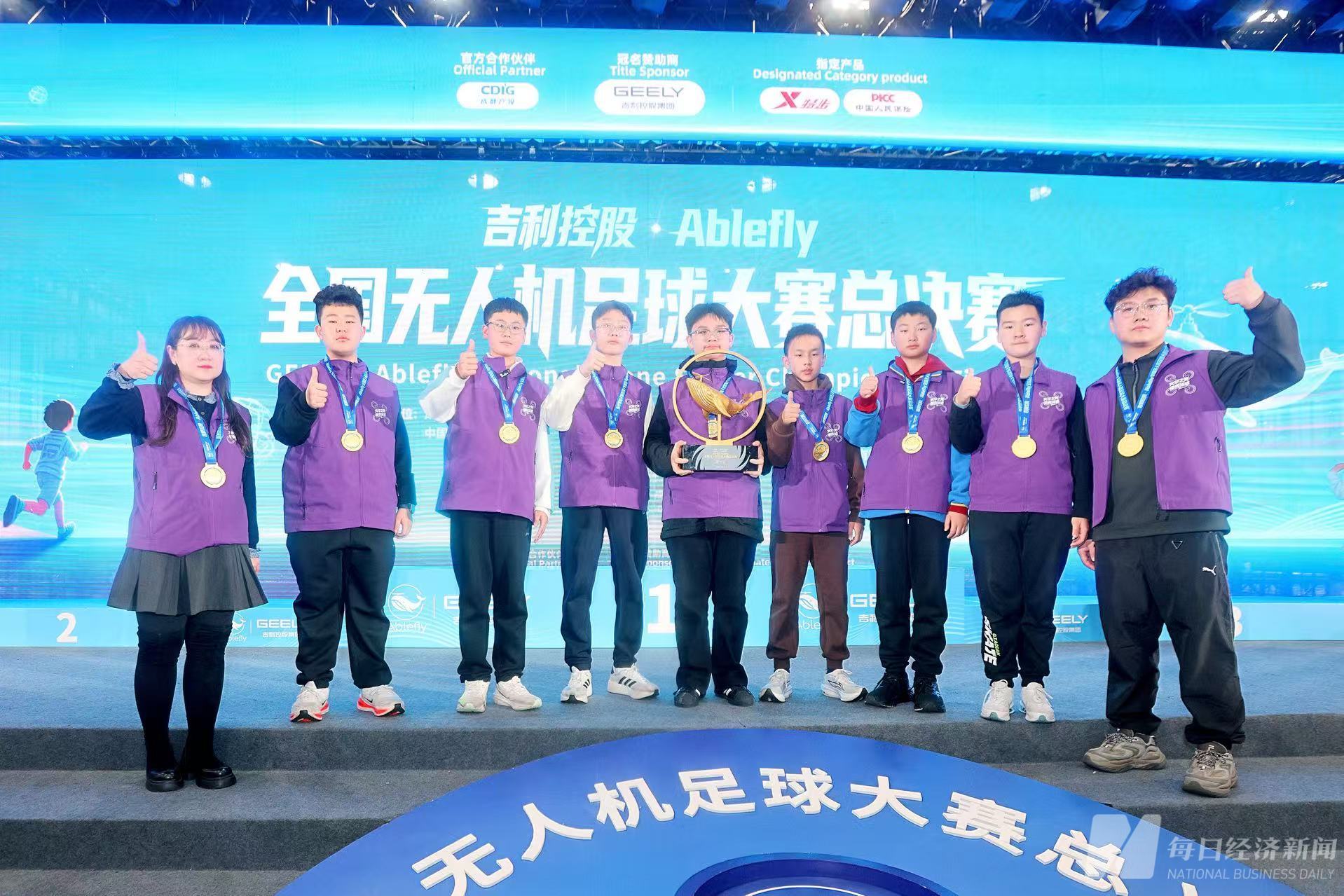
千余支队伍同场竞技之后,无人机足球为成都留下了什么?
Mei Ri Jing Ji Xin Wen· 2026-02-09 16:06
Core Insights - The national drone football competition, organized by various governmental and educational bodies, concluded with the Weifang Wenhua School team winning the championship, marking a significant event in the history of drone football in China [1][3]. Industry Development - The competition featured 1,116 teams from both domestic and international participants, indicating the growing popularity and market potential of drone football as an emerging sport [3][8]. - The low-altitude economy in China is projected to reach a market size of 1.5 trillion yuan by 2025 and is expected to grow to 3.5 trillion yuan by 2035, highlighting the industry's rapid development and the competitive landscape for application scenarios [3][10]. Event Impact - The event served as a pivotal point for public recognition of drone football, combining sports and technology to engage a wide audience, from elementary school students to middle-aged participants [8][9]. - The competition's design aimed to transform complex technology into accessible experiences for the general public, fostering a deeper understanding of the tech industry through engaging activities [8][9]. Economic Opportunities - The event is seen as a catalyst for exploring practical applications within the low-altitude economy, with a focus on creating consumption scenarios that can drive urban economic growth [10][12]. - The integration of food, shopping, and entertainment around the event successfully turned the competition into a broader economic opportunity, demonstrating the potential for drone football to contribute to local economies [11][12]. Future Prospects - Chengdu aims to establish itself as a leading city in drone football, leveraging its existing industrial base of over 200 drone manufacturing companies to create a comprehensive ecosystem that includes research, manufacturing, operation, and service [16][17]. - Plans for future events, such as a drone sports festival, are in place to further enhance public engagement and expand the market for drone technology in civilian entertainment [16][17].

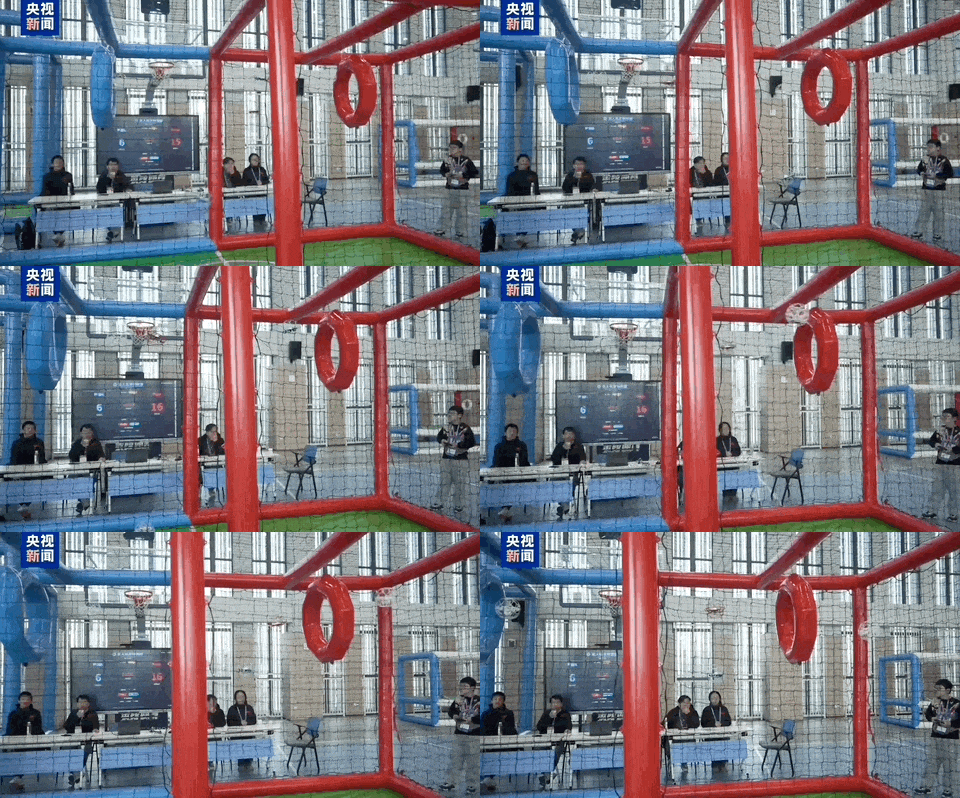
不靠脚踢,靠手控制?这种新兴足球赛火了
Xin Lang Cai Jing· 2025-12-21 02:13
Core Insights - The article discusses the rapid development of drone football in China, highlighting its integration of drone technology with traditional football, attracting significant youth participation [1][3]. Group 1: Industry Development - Drone football has gained popularity in cities like Beijing, Shanghai, and Guangzhou, with schools initiating training programs [1]. - The first flying football championship in Suzhou attracted over 700 participants from 110 schools, showcasing the sport's appeal across various educational levels [1][3]. Group 2: Training and Skills Development - Participants in drone football must demonstrate high levels of concentration, teamwork, and stress management while controlling drones [5]. - Training facilities, such as the one in Hangzhou, are equipped with advanced technology, including smart goals and protective nets, to facilitate skill development [6][10]. Group 3: Educational Integration - Schools are incorporating drone football into extracurricular activities, enhancing students' interest in technology and teamwork [12][14]. - The curriculum includes lessons on aerodynamics and flight control, promoting a blend of technology and sports [12]. Group 4: Economic Implications - The rise of drone football is closely linked to the growth of China's low-altitude economy, preparing students for future careers in drone operation [15].
“会飞的足球”火爆校园 青少年“玩”出未来产业
Yang Shi Xin Wen· 2025-12-19 16:40
Core Viewpoint - The rapid development of drone football in China combines technology and traditional sports, engaging youth and enhancing their skills while contributing to the low-altitude economy [1][26]. Group 1: Development and Participation - Drone football has gained popularity in cities like Beijing, Shanghai, and Guangzhou, with schools initiating training programs [1]. - The first Flying Football Championship in Suzhou attracted participation from 110 schools and over 700 students, showcasing high youth engagement [1]. - The sport is characterized by real-time 5v5 or 3v3 team matches, emphasizing both competitive and technological aspects [2]. Group 2: Training and Skills Development - Training involves high levels of concentration, teamwork, and tactical communication among participants [4]. - The training curriculum progresses from basic principles to tactical confrontations, integrating knowledge of aerodynamics and flight control [18]. - Students learn not only to operate drones but also to maintain and repair them, enhancing their problem-solving skills [14][16]. Group 3: Integration of Technology and Sports - The drone football sport utilizes drones with a diameter of approximately 40 cm and a weight of under 200 grams, capable of speeds between 200 to 300 km/h [14]. - The sport's design encourages the development of strategic thinking and enhances students' interest in learning [23]. Group 4: Economic Implications - The rise of drone football is closely linked to the rapid growth of China's low-altitude economy, preparing talent for future industry needs [26]. - The sport promotes the development of related industries, such as flight control and drone manufacturing, which are undergoing rapid updates [27]. - The integration of drone football into educational programs is seen as a way to cultivate future professionals in the low-altitude economy [26][32]. Group 5: Industry Collaboration and Growth - In Chengdu, the drone football events have led to collaborations between manufacturers and software developers, enhancing the quality of domestic drones to meet international standards [31]. - The local industry is focused on training drone operators, contributing to the supply of skilled professionals in the low-altitude economy [32]. - Chengdu's comprehensive drone industry chain includes hardware manufacturing, software development, and professional training, fostering a robust ecosystem [34].