生活垃圾数智治理平台

Search documents
变废为宝 向“绿”而兴
Xin Lang Cai Jing· 2026-02-05 18:10
●新华社记者 孙铁翔 朱涵 张璇 近日,浙江杭州入选联合国"20个迈向零废物的城市"。这是继"无废亚运"实践后,杭州在数字化赋能循 环经济、探索可持续发展方面再次得到国际性认可。 作为中国具有代表性的超大城市,杭州在经济总量突破2万亿元、常住人口超过1260万的形势下,系统 推进固体废物综合治理与资源化利用,为全球城市践行循环经济与可持续发展贡献了具有借鉴意义的中 国样本。 从"人海战术"到"智慧治理" 清晨8点,晨光透过树梢洒在杭州市蒋村街道的小区里。市民王爱芬将一袋垃圾投入智能分类 箱,"嘀"的一声,她的手机同时弹出消息:"您已成功参与投递。" 这袋垃圾的"数字生命"就此激活。装载了定位系统的清运车将它送往九峰垃圾焚烧发电项目。 更深远的变化发生在监管层面。焚烧烟气数据会经由环保专线接入属地生态环境局,上传至浙江省及国 家相关监管平台。 "垃圾治理正在经历从'人海战术'到'数智融合'的范式变革。"杭州市城管局相关负责人指着"生活垃圾数 智治理平台"上跳动的光点说道,全市10806个集置点、1785辆清运车、10座焚烧厂和14座易腐处理设施 的运行状态尽收眼底。 与此同时,一场更深刻的垃圾价值革命在市井街巷 ...
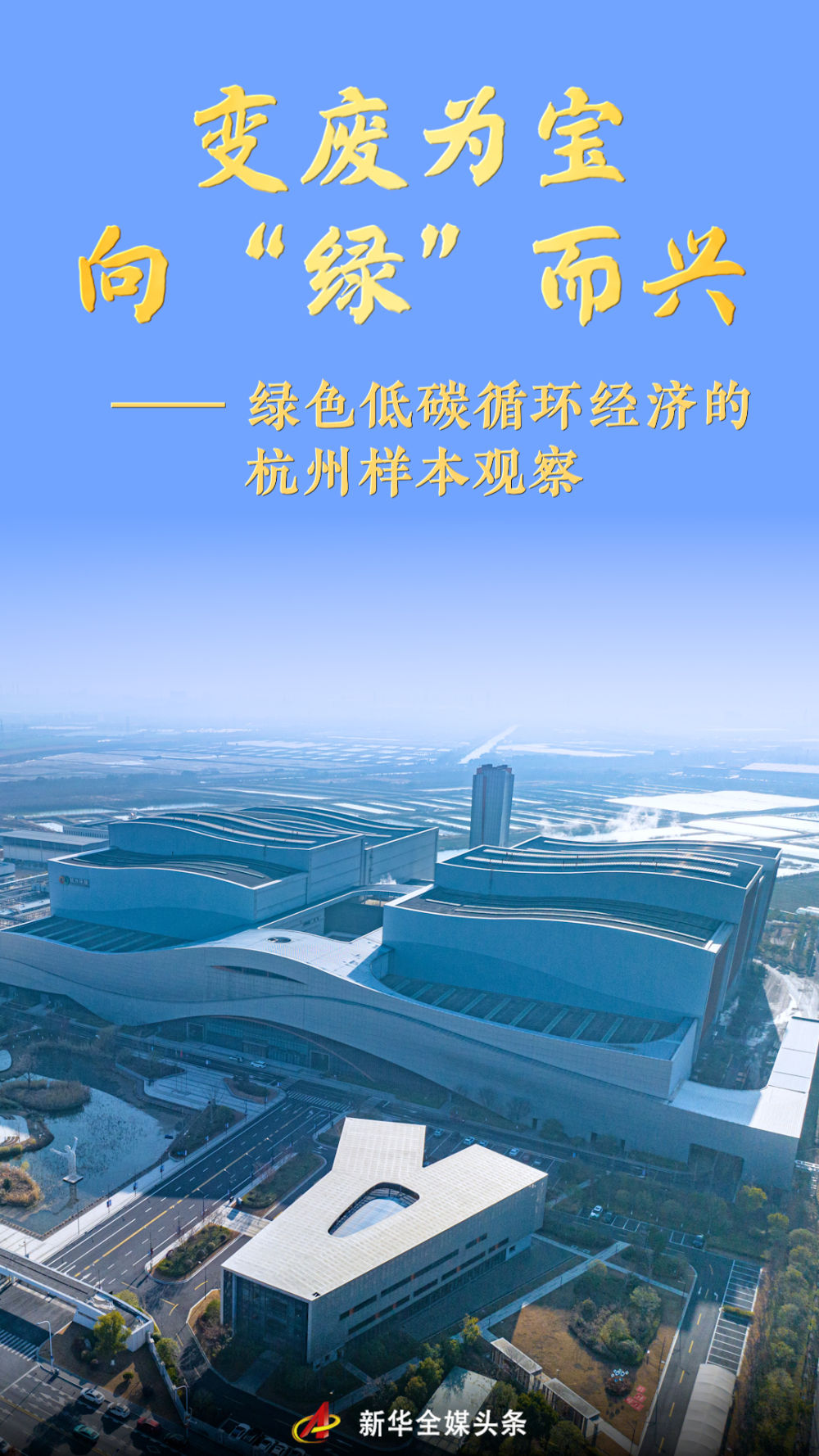
变废为宝 向“绿”而兴——绿色低碳循环经济的杭州样本观察
Xin Hua She· 2026-01-29 00:19
Core Viewpoint - Hangzhou has been recognized by the United Nations as one of the "20 Cities Moving Towards Zero Waste," highlighting its commitment to sustainable development and circular economy practices following the "Waste-Free Asian Games" initiative [5]. Group 1: Recognition and Initiatives - Hangzhou's economic output has surpassed 2 trillion yuan, with a resident population exceeding 12.6 million, as it implements solid waste management and resource utilization in line with national directives [5]. - The city has been acknowledged for its innovative practices in digital empowerment for circular economy and sustainable development [5]. Group 2: Smart Waste Management - Residents are engaging in smart waste disposal through digital platforms, where their waste is tracked and managed in real-time, enhancing transparency and efficiency in waste management [7][8]. - The "Tiger Brother" digital recycling service has collected nearly 600,000 tons of waste in Yuhang District, with over 21 million participations, showcasing a successful public-private partnership in waste management [10][11]. Group 3: Transformation of Waste into Resources - Hangzhou has transitioned from a "waste burden" to a "green dividend," with a significant reduction in landfill use and an increase in waste-to-energy conversion [15]. - The city’s waste incineration plants have a processing capacity of 2 million tons annually, generating over 1 billion kilowatt-hours of electricity, contributing to the local energy supply [17]. Group 4: Community Engagement and Education - The city has cultivated over 3,200 "waste-free cells" across various community forms, embedding green development principles into the daily lives of residents [26]. - Initiatives during the Asian Games resulted in a 20% reduction in food waste per capita and over 50% material recovery, setting a precedent for large-scale events [26]. Group 5: Future Commitments - The Hangzhou government aims to enhance its "zero waste city" construction level and provide replicable experiences for global solid waste management [28].