病区医疗物联智慧屏

Search documents
民生样本 年度记录丨智慧医疗,守护患者每一刻
Yang Guang Wang· 2025-12-27 16:04
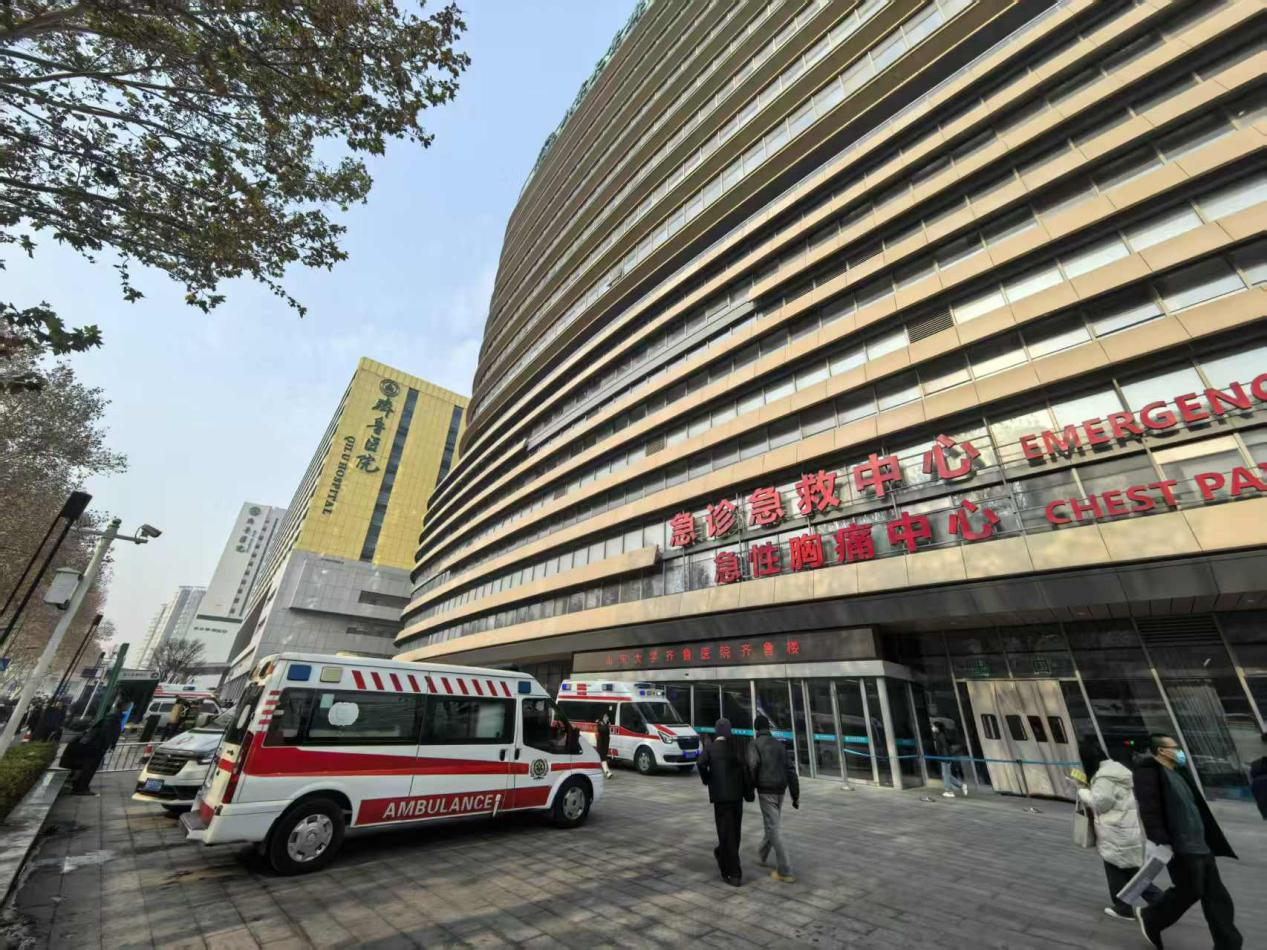
Core Insights - The article highlights the advancements in smart healthcare, particularly focusing on emergency medical services and patient care through technology integration [1][18]. Group 1: Smart Emergency Medical Services - Shandong University Qilu Hospital has implemented a 5G smart emergency rescue system that allows real-time video guidance for CPR through a mobile link sent to the caller [6][9]. - The system captures vital signs such as heart rate and blood oxygen levels using the caller's smartphone, enabling medical staff to assess the patient's condition quickly [7][8]. - The success rate of resuscitating out-of-hospital cardiac arrest patients has improved significantly, with 6 out of 33 patients recovering spontaneous circulation this year, compared to a historical survival rate of 1% [9]. Group 2: Patient-Centric Smart Hospital Initiatives - The hospital has developed a smart ward system that utilizes IoT and AI technologies to enhance patient monitoring and care, ensuring real-time tracking of patients' locations and health data [12][16]. - Smart wristbands are used for elderly patients to prevent them from going missing, with features for real-time location tracking and emergency calling [12][16]. - The hospital's approach emphasizes a patient-centered model, aiming to improve service quality and patient experience through innovative technology [17][18]. Group 3: Future Directions in Healthcare - The hospital plans to continue integrating AI and other technologies to create a comprehensive smart healthcare system that spans emergency care, in-hospital treatment, and post-discharge management [17]. - The integration of AI is seen as a crucial support tool for healthcare professionals, enhancing management and quality without replacing the human element in patient care [17].