科普体验活动

Search documents
元旦去哪儿?来路县故城穿汉服、听古乐、探秘海昏侯!
Xin Lang Cai Jing· 2026-01-01 06:24
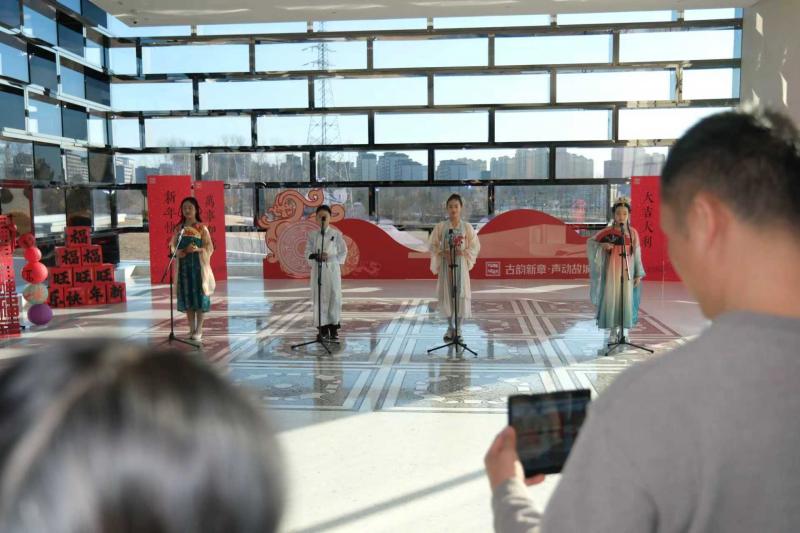
Core Viewpoint - The "Ancient Charm, Vibrant City" cultural activities launched at the Lu County Ancient City Ruins Park on January 1st aim to blend Han Dynasty culture with festive celebrations, providing an immersive experience of Han cultural heritage for citizens and tourists [1]. Group 1: Cultural Activities - The series of activities includes a Hanfu show, traditional music performances, and an intangible cultural heritage market, showcasing the rich cultural heritage of the Han Dynasty [1][3]. - The Hanfu show features dozens of Han clothing styles, emphasizing the meticulous adherence to Han Dynasty clothing regulations, allowing visitors to engage with performers and experience the "Han Wind Elegance" atmosphere [3]. - A traditional music concert featuring instruments like the guzheng, erhu, and bamboo flute plays classic pieces, enhancing the festive atmosphere and showcasing the unique charm of traditional Chinese music [3]. Group 2: Educational Experiences - During the New Year holiday, the park offers a "4+1" science experience program, including activities like "The Golden Code of the Haihun Marquis" and "The Underground Palace of the Haihun Marquis," allowing visitors to explore Han Dynasty social life and cultural rituals through interactive experiences [5]. - Visitors can also engage in various intangible cultural heritage projects at the heritage market, such as cloisonné, diabolo, and dough figurines, further enriching their understanding of traditional crafts [5]. - The ongoing temporary exhibition of 108 Han Dynasty artifacts at the Lu County Ancient City Ruins Museum provides a cultural feast that connects visitors with history [5]. Group 3: Event Schedule - The event schedule includes various activities from January 1 to January 3, such as role-playing lectures, poetry recitations, Hanfu displays, and music concerts, all taking place at the Lu County Ancient City Ruins Museum [6][7]. - Specific activities are organized throughout the day, allowing for continuous engagement with Han culture and traditions [6][7].