秦半两

Search documents
从咸阳到长安,每一步都踏在岁月深处
Jing Ji Guan Cha Bao· 2026-01-16 02:01
Group 1 - The article highlights the historical significance of the Guanzhong Plain, particularly Xi'an, as a center of power and culture in ancient China, emphasizing its fertile land and strategic location [1][2][3] - It discusses the architectural layout of the ancient capital, Xianyang, which was designed to reflect celestial patterns, showcasing the integration of astronomy and urban planning in ancient Chinese cities [2][3] - The article describes various architectural elements and artifacts from the Qin Dynasty, such as cloud-patterned roof tiles and dragon motifs, which symbolize the dynasty's cultural and artistic achievements [4][5][6] Group 2 - The text details the advancements in urban infrastructure during the Qin Dynasty, including drainage systems and the use of hollow bricks, indicating a sophisticated understanding of construction and public health [8][9] - It mentions the introduction of a unified currency system under the Qin Dynasty, which replaced various regional currencies, facilitating trade and economic integration across the newly unified empire [11][25] - The article also touches on the significance of the royal gardens and hunting parks, such as the Shanglin Garden, which served as recreational spaces for emperors and reflected the grandeur of the Han Dynasty [16][22] Group 3 - The narrative transitions to the Han Dynasty, highlighting the cultural exchanges facilitated by the Silk Road, which began in Chang'an, and the influx of foreign students and merchants [22][40] - It emphasizes the importance of diplomatic missions, such as Zhang Qian's expeditions to the Western Regions, which expanded China's influence and knowledge of foreign cultures [29][30] - The article concludes with a description of the vibrant marketplace in Han Chang'an, illustrating the economic prosperity and cultural diversity of the period [23][24]
还记得课本里的统一度量衡吗?2000多年前就有秤砣了
Yang Shi Xin Wen· 2025-07-04 04:15
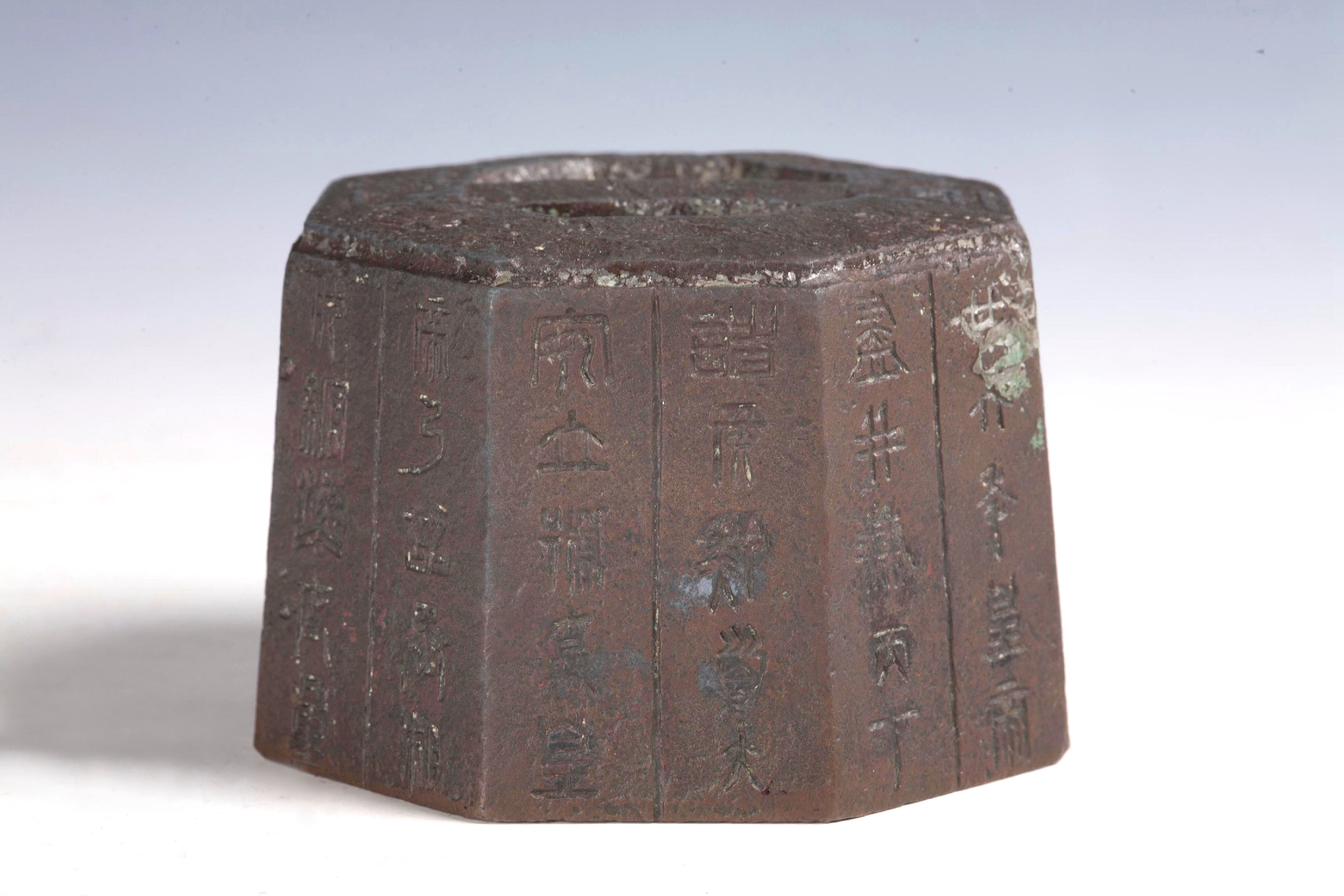
Core Viewpoint - The article discusses the historical significance of the "Xunyi Weight," a bronze weight used during the Qin Dynasty, which symbolizes the unification of measurement standards across China initiated by Emperor Qin Shi Huang [4][9]. Group 1: Historical Context - The "Xunyi Weight" is a tangible representation of the Qin Dynasty's efforts to standardize weights and measures, which were crucial for economic development and trade among the various states during the Warring States period [11]. - The weight, weighing 2.27 kilograms, was issued by the government as a standard measuring tool, akin to modern scales [4][11]. Group 2: Importance of Standardization - The unification of weights and measures was part of a broader initiative by Qin Shi Huang to consolidate power and facilitate trade, as different states had their own measurement systems that complicated commerce [11][16]. - The term "weighing" originated from the use of weights in conjunction with scales, highlighting the importance of accurate measurement in trade and governance [14]. Group 3: Broader Unification Measures - In addition to standardizing weights and measures, the Qin Dynasty also implemented several other unification measures, including: 1. Standardization of writing, with the introduction of a uniform script to enhance communication across regions [16]. 2. Introduction of a unified currency, the "Qin Banliang," to replace the various currencies used by the former states [17]. 3. Standardization of cart tracks and road widths to improve transportation and control over the territories [19]. - These measures collectively promoted economic and cultural exchanges, fostering national cohesion and integration among diverse populations [19].