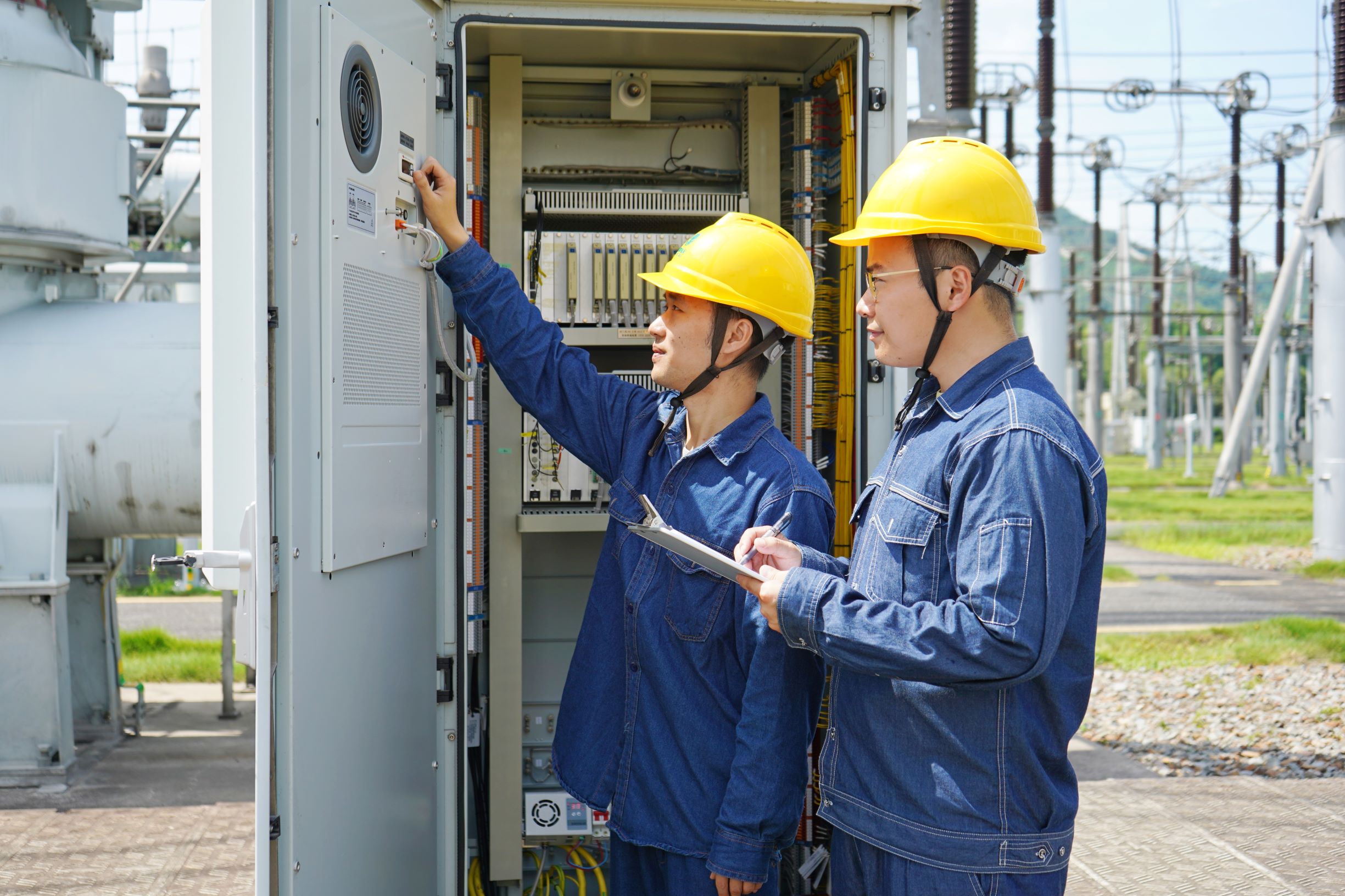
空天地一体智能巡检系统

Search documents
一线动态|从“示范站”到“标准化”,看变电站智巡的进阶之路
Zhong Guo Jing Ji Wang· 2025-12-05 07:29
Core Viewpoint - The article highlights the innovative "Air-Ground" intelligent inspection system developed by State Grid Zhejiang Electric Power Shaoxing Supply Company, which enhances the safety and efficiency of power grid operations through advanced technology integration and automation [1][4][12]. Group 1: System Overview - The "Air-Ground" intelligent inspection system integrates three types of inspection technologies: high-altitude drones, ground robots, and fixed cameras, creating a comprehensive monitoring network [4][5]. - The system addresses traditional inspection challenges such as safety risks, inefficiencies, and data silos by providing full coverage, data fusion, and automated decision-making capabilities [4][6]. Group 2: Efficiency and Safety Improvements - The new system has improved inspection efficiency by approximately 60% and defect identification rates to 95%, significantly enhancing operational accuracy and safety [6][11]. - Traditional manual inspections required two personnel and over four hours to complete, posing safety risks such as heatstroke and electric shock, which the new system mitigates [1][3]. Group 3: Emergency Response Capabilities - The upgraded system can autonomously initiate emergency inspections within 30 seconds of an incident, showcasing its ability to respond rapidly to faults [8][9]. - The intelligent emergency application allows for real-time fault identification and precise inspection path planning, improving response times by nearly 70% [11][12]. Group 4: Standardization for Broader Implementation - The company is developing a "5S" standardization system to facilitate the widespread adoption of the intelligent inspection system across multiple substations, addressing common challenges in hardware costs and system architecture [13][15]. - By 2025, the company aims to deploy the intelligent inspection system in seven additional 500 kV substations, contributing to the overall smart inspection framework in the province [15].

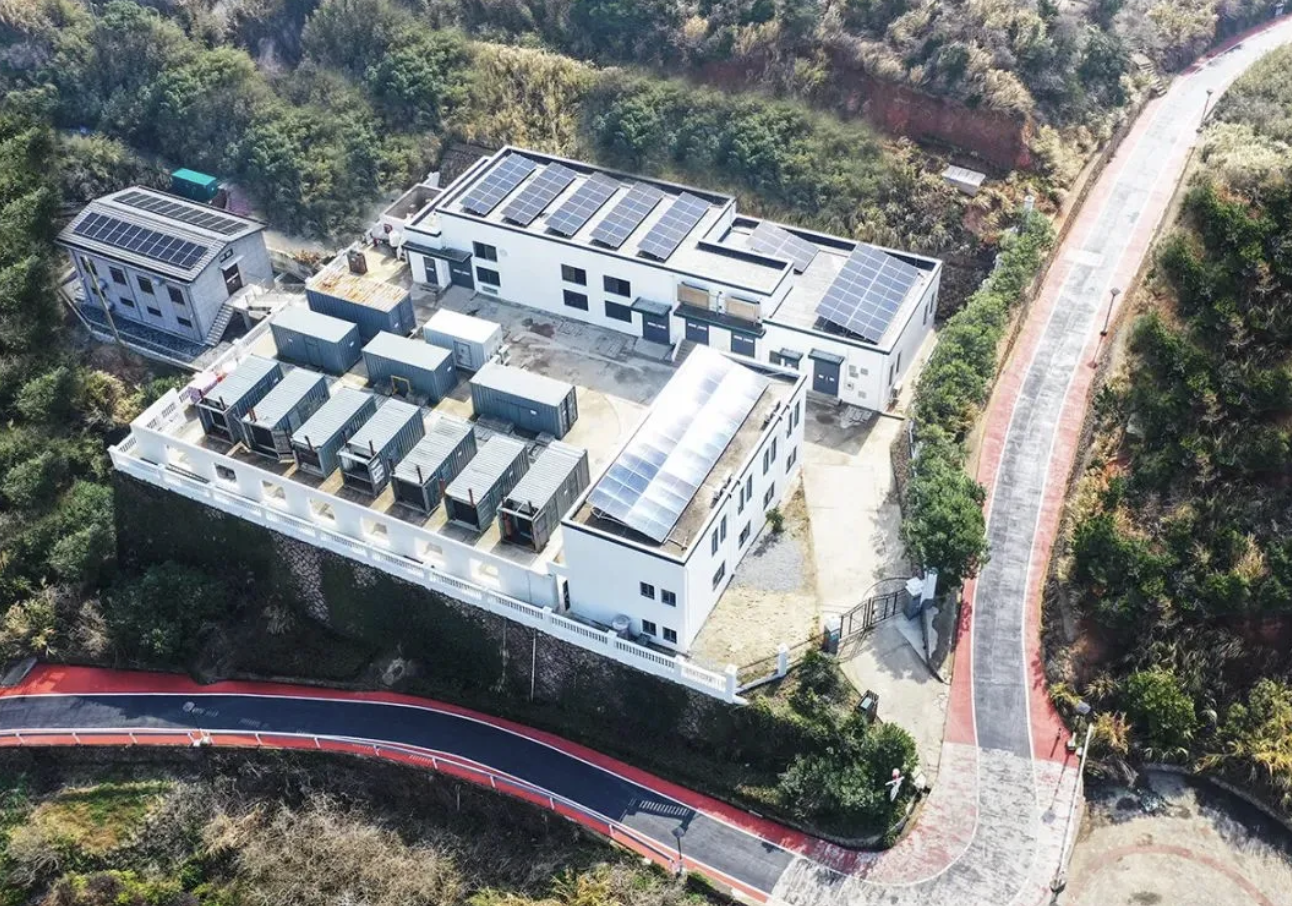
以科技之“智”应对自然之“变”
Zhong Guo Neng Yuan Wang· 2025-08-01 07:48
Core Viewpoint - The article emphasizes the evolution of Zhejiang Electric Power in response to extreme weather challenges over the past 20 years, highlighting the transition from traditional disaster response to a more proactive, technology-driven approach to ensure grid reliability and resilience [2][4][19]. Group 1: Historical Context and Development - Twenty years ago, the phrase "Electricity is of utmost importance, and the grid is the lifeline" laid the foundation for Zhejiang Electric Power's mission [2]. - The company has consistently prioritized the understanding of electricity's significance and the protection of the grid, which connects households and supports economic activity [2][4]. Group 2: Technological Advancements - Zhejiang Electric Power has shifted from a passive disaster response to an active network strengthening strategy, focusing on building a "typhoon-resistant grid" [5]. - The company has implemented high-level disaster prevention measures, including the construction of the first self-healing island smart microgrid in Zhoushan, which can operate independently during outages [5][6]. - In Lishui, the reliability of power supply reached 99.99% in 2024, with average outage duration reduced by 37 minutes compared to the previous year [6]. Group 3: AI and Predictive Technologies - The company has developed an AI-based typhoon early warning module that improved prediction accuracy by approximately 30 kilometers, leading to a 69.58% power restoration rate within two hours during typhoon events [13][14]. - The establishment of a typhoon monitoring and early warning center has enhanced the ability to monitor weather conditions affecting the grid [15]. Group 4: Infrastructure and Monitoring Enhancements - Zhejiang Electric Power has installed various sensors and monitoring systems in substations to detect flooding and improve overall grid resilience [8]. - The company has created a robust and intelligent distribution network, enhancing the overall power supply capability and reliability [8][16]. Group 5: Future Directions - The company aims to further enhance the grid's resilience and self-healing capabilities through the integration of artificial intelligence and advanced monitoring systems [25][26]. - There is a focus on expanding the coordination of energy sources, loads, and storage to improve system flexibility and reliability in the face of uncertainties [27].