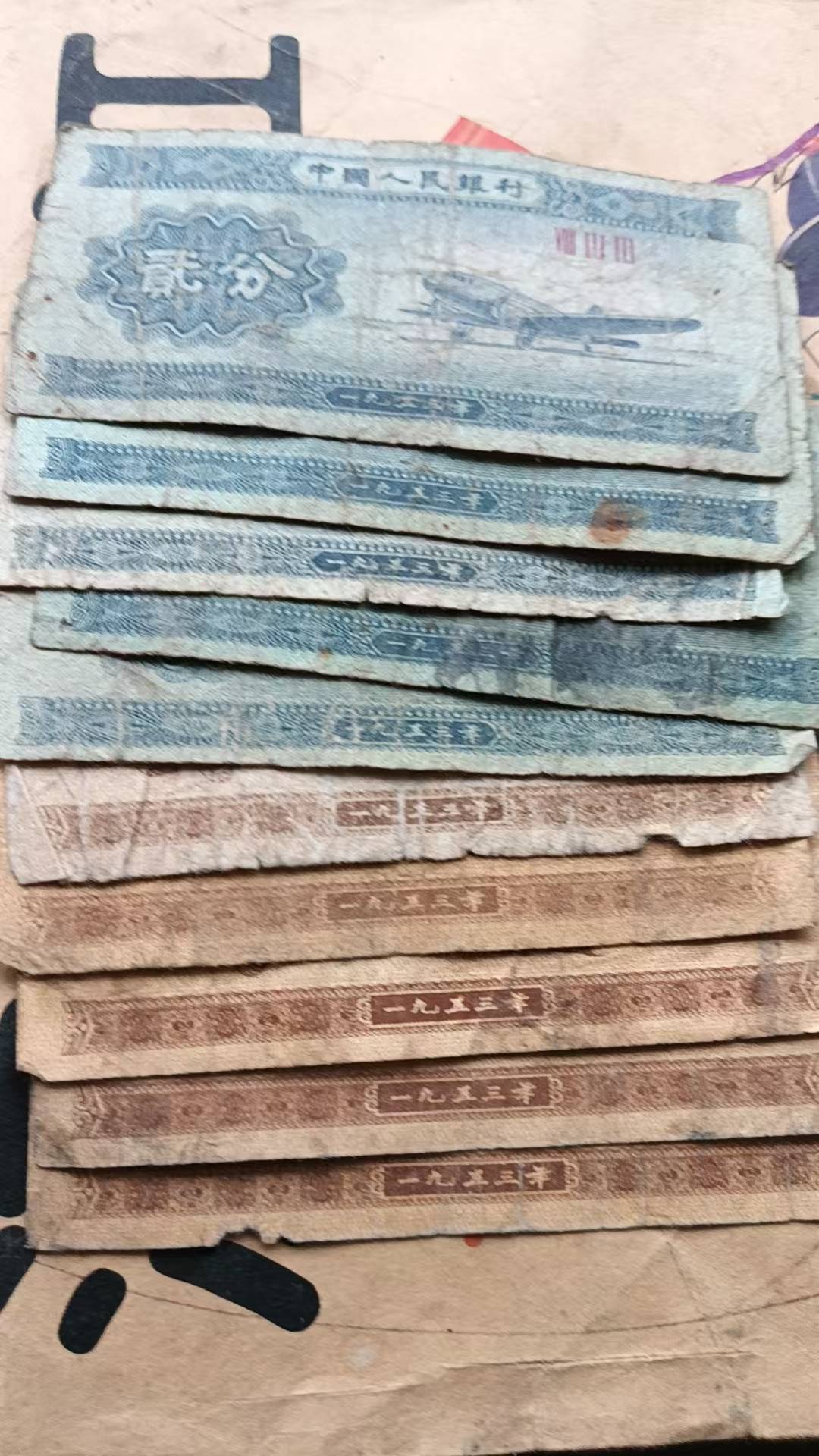
第二套人民币壹分

Search documents
第二套人民币壹分、贰分纸币:方寸之间的时代印记与收藏瑰宝
Sou Hu Cai Jing· 2025-11-09 01:43
Core Viewpoint - The second set of Renminbi, specifically the one-cent and two-cent banknotes, holds significant historical and cultural value, transcending their nominal worth and becoming sought-after collectibles in the numismatic market [1][12]. Group 1: Historical Background - The second set of Renminbi was issued in 1955 during a critical period of economic recovery and the initiation of the first Five-Year Plan in New China, aiming to address the limitations of the first set of currency [2]. - The one-cent and two-cent banknotes played a vital role in daily transactions, facilitating the exchange of goods and supporting the socialist commercial system during the planned economy era [2]. Group 2: Craftsmanship - The production of the second set of Renminbi banknotes showcased advanced printing techniques and artistic design, reflecting the highest standards of the time [3]. - Key elements such as the national emblem and denomination were produced using intaglio printing, providing both security features and artistic value [4]. - The banknotes were printed on specialized paper with embedded watermarks and used durable inks, ensuring their longevity and aesthetic appeal [4][6]. Group 3: Cultural Significance - The one-cent and two-cent banknotes serve as miniature historical artifacts, encapsulating national narratives and collective memories of the populace [8]. Group 4: Collectible Value and Appreciation Potential - In the numismatic market, the one-cent and two-cent banknotes have appreciated significantly beyond their face value, establishing a distinct segment within the collectibles market [9]. - The "long number" version of these banknotes, due to its limited circulation and historical significance, is particularly sought after by collectors, while the "short number" version serves as an accessible entry point for novice collectors [11]. - The ongoing demand for these banknotes, driven by nostalgia and historical interest, suggests a robust appreciation potential, especially for high-quality specimens [10][11].