红色教育课程

Search documents
海陵:高质量推进城市更新,“文化古城”展新颜
Xin Hua Ri Bao· 2025-12-02 06:00
Core Viewpoint - The article highlights the efforts of Hailing District in Taizhou to preserve and revitalize its historical and cultural heritage while promoting urban renewal, aiming to create a modern, livable, and resilient ancient city that integrates tradition with contemporary life [1][2][3]. Group 1: Urban Renewal and Cultural Preservation - Hailing District adopts a "small-scale, incremental" approach to urban renewal, focusing on integrating historical and cultural preservation into urban development [2]. - The district has completed the restoration of 11 cultural heritage sites and established several memorial museums, enhancing public cultural spaces [2]. - A total of 126 old residential communities built before 2000 have undergone renovation, benefiting approximately 50,000 residents [3]. Group 2: Community Engagement and Innovative Mechanisms - Hailing District promotes community involvement in urban renewal through initiatives like the "street discussion system," encouraging residents to participate in the maintenance and improvement of their neighborhoods [2][8]. - The district has implemented a "micro-renewal" strategy, focusing on restoring building facades and enhancing the visual appeal of streets while maintaining their historical character [4]. - A unique long-term maintenance mechanism has been established, involving local businesses in maintaining cleanliness and order in the streets [8][9]. Group 3: Economic Development and Tourism - The revitalization of historical streets has led to the emergence of new commercial activities, attracting young consumers and boosting local employment [6][7]. - The "Ten Victory Street" has seen significant foot traffic, with over 800,000 visitors since its opening, creating more than 600 jobs [6]. - Hailing District is actively promoting cultural tourism by integrating historical sites with modern commercial offerings, enhancing the overall visitor experience [7][10].
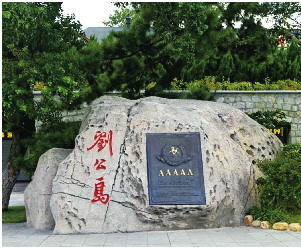
在刘公岛穿越历史与山海
Qi Lu Wan Bao· 2025-07-09 21:31
Core Viewpoint - Liu Gong Island serves as a significant historical and cultural site, reflecting the evolution of Chinese history and identity, while also promoting educational and tourism initiatives to engage younger generations and enhance local economic development [2][8][10] Historical Significance - Liu Gong Island is recognized as a pivotal location in modern Chinese history, housing 28 national treasure-level cultural relics and sites, with significant investments made for their restoration [2][3] - The island's historical narrative is brought to life through interactive exhibits and performances, such as the reenactment of a poignant letter from a naval officer, aimed at instilling a sense of national pride among visitors [3][4] Red Culture and Education - The island has developed a unique "Liu Gong Island Model" for red education, integrating experiential and interactive learning methods to engage diverse audiences, including over 16,000 participants annually [4][5] - Educational programs are tailored to different demographics, emphasizing emotional resonance for youth while providing theoretical depth for party members and officials [4][5] Ecological and Commercial Balance - Liu Gong Island boasts a high forest coverage rate of 87% and is home to over 280 wild sika deer, but faces challenges in balancing ecological preservation with tourism development [5][6] - Commercial activities on the island are strictly regulated to avoid over-commercialization, with a focus on maintaining the island's tranquil atmosphere while providing essential services [6] Economic and Cultural Impact - Liu Gong Island is a key driver of local economic growth, enhancing the city's image as a "most happy city" and supporting the development of high-end health tourism and educational travel [8][10] - Future plans include the establishment of an underwater archaeological museum and the opening of more historical buildings, aiming to create an "open-air historical museum" that connects the past with the present [8][10]