文化教育

Search documents
聆听文物故事 守护文化根脉
Xin Lang Cai Jing· 2026-02-26 11:30
Core Viewpoint - The collaboration between Turpan Museum and the Green Garden Community aims to enhance cultural heritage awareness among youth and promote the protection of historical artifacts through engaging educational activities [3][5]. Group 1: Event Overview - On February 25, Turpan Museum and the Green Garden Community organized a lecture titled "Protect First, Strengthen Management, Let Cultural Relics Come Alive" for local middle and primary school students [3]. - The event was part of a broader initiative to deepen grassroots organizational construction and instill a sense of national identity among the youth [3]. Group 2: Educational Approach - Museum guides utilized engaging and accessible language, along with visual aids and historical storytelling, to convey the historical value and cultural significance of Turpan's artifacts [5]. - Interactive segments such as Q&A and hands-on activities encouraged students to actively participate and discuss topics related to artifact protection and respectful visitation [5]. Group 3: Community Impact - The initiative aims to enrich the spiritual and cultural life of minors in the community while fostering a sense of responsibility for cultural heritage protection [5]. - The community plans to continue collaborating with various resources to conduct diverse cultural transmission activities, emphasizing the importance of preserving and passing down traditional Chinese culture [5].

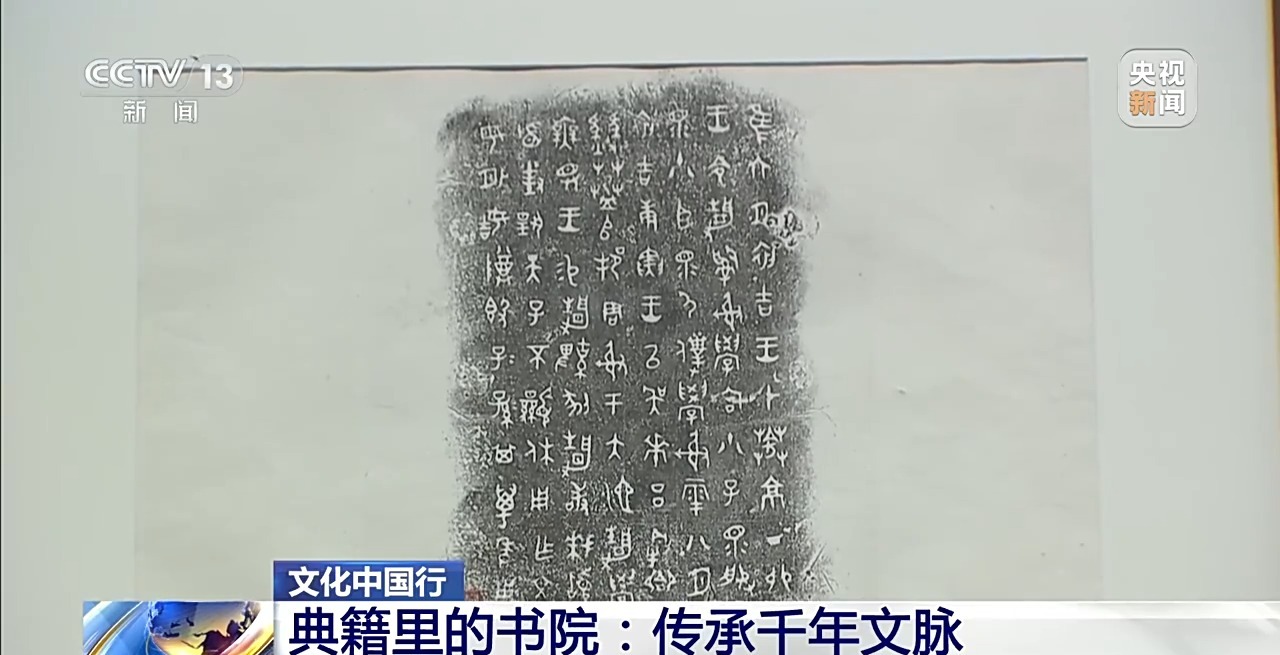
文化中国行丨弦歌不辍 看典籍里的书院如何传承千年文脉
Yang Shi Xin Wen Ke Hu Duan· 2026-02-08 12:55
Core Viewpoint - The ancient Chinese academy is a unique cultural and educational institution that has played a significant role in the transmission of Chinese civilization over the centuries [1][11]. Group 1: Historical Development - The academy originated in the Tang Dynasty with the establishment of the Jixian Academy by Emperor Xuanzong, which had multiple functions including writing, collecting books, and lecturing [5]. - During the Song Dynasty, the academy evolved alongside Neo-Confucianism, becoming an educational institution with core functions of teaching, collecting books, printing, and ritual activities [6]. - The Ming Dynasty saw a resurgence of academies influenced by Wang Yangming's "Heart Learning," leading to a trend towards popularization and community involvement [8]. - The Qing Dynasty marked a period of unprecedented prosperity for academies, particularly during the Yongzheng era when provincial academies were established [8]. Group 2: Cultural Significance - The academy transcended the dimension of an educational institution, reflecting the national spirit and showcasing the resilience of civilization [11]. - Notable figures in Chinese history, such as Li Bo and Li She, contributed to the establishment of famous academies like the Bailudong Academy, which became a center for learning and cultural exchange [10]. - The academy served as a vital platform for scholars to engage in academic debates, such as the discussions between Zhu Xi and Lu Jiuyuan, which shaped the framework of Neo-Confucianism [10]. Group 3: Modern Recognition - The National Library of China emphasizes the importance of ancient academies as key carriers of excellent traditional culture and advocates for a spirit of scholarly pursuit and truth-seeking [13].
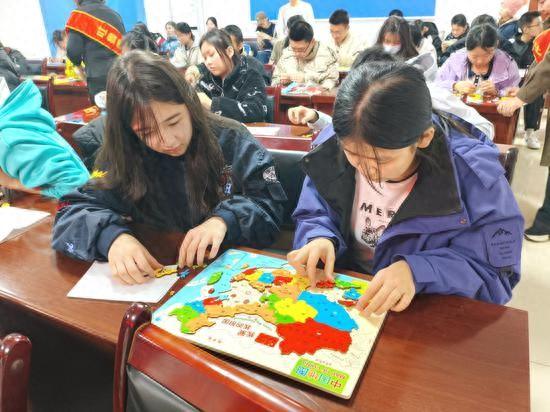
新疆昌吉州以文化融合赋能青少年“筑基”工程
Xin Lang Cai Jing· 2026-02-02 08:44
Group 1 - The core idea emphasizes the importance of fostering a sense of community among Chinese youth through cultural education and collaboration between cultural institutions and schools [1][2][3] - Changji Prefecture focuses on deepening cooperation between cultural venues and educational institutions to create a new ecosystem for youth education, promoting shared resources and collaborative activities [1] - The initiative aims to transform cultural engagement from a one-way output to a two-way collaborative educational approach, integrating experiential learning in museums with academic education [1] Group 2 - The program utilizes over 10,000 cultural relics to create immersive educational experiences that resonate with the cognitive characteristics of youth, enhancing their understanding and appreciation of Chinese culture [2] - Activities such as volunteer services, archaeological simulations, and cultural storytelling are designed to shift youth from passive observers to active explorers, deepening their emotional connection to their cultural heritage [2] - Changji Prefecture incorporates long-term mechanisms for youth development by integrating cultural transmission into daily teaching through collaborative courses and joint exhibitions [3] Group 3 - The initiative includes organizing study tours to significant cultural landmarks, allowing thousands of students to engage with peers from other regions, thereby fostering national pride and cultural confidence [3] - The program aims to build strong bridges for inter-ethnic communication and cultural exchange, enhancing the overall cultural integration among different ethnic groups [3]
陕西“竖店”、遗址公园、戏剧学院,秦汉新城 “文旅三爆品” 出圈
Xin Lang Cai Jing· 2026-01-16 02:28
Group 1: Short Video Base and Tourism Development - The Western International Short Video Base is set to open in 2025 in the Qinhan New City, aiming to transform the area into a popular tourist destination by attracting more short film crews for shooting, thus enhancing local visibility and tourism [1] - The base will not only serve as a filming location but also as a production and distribution hub, effectively filling gaps in Xi'an's short film industry and boosting local employment and service consumption [1] - The integration of the short video base with local cultural and historical sites will create a unique tourism experience, promoting a "short film + cultural tourism" model [1] Group 2: Archaeological Park Development - The Qin Shihuang City and Palace Ruins have been designated as a National Archaeological Site Park, covering approximately 703 hectares, showcasing the development history of the Qin Dynasty [2] - Currently, about 140 hectares of the park are open to the public, featuring key cultural sites such as the Qin Shihuang Palace Ruins Museum and the Shaanxi History Museum [2] Group 3: Xi'an Drama Academy - The Xi'an Drama Academy was inaugurated in September 2025, with an initial enrollment of 120 students, marking it as a significant addition to the cultural education landscape in Shaanxi Province [4] - The academy will offer four undergraduate programs initially, with plans to expand to ten, aiming to cultivate talent in various fields of drama and arts [4] - The establishment of the academy is expected to stimulate local cultural and creative industries, fostering new theatrical content and enhancing regional cultural outreach [4][5]
湖南益阳:南县地花鼓进校园
Xin Hua She· 2026-01-13 13:36
Core Viewpoint - The article highlights the efforts of the Education Bureau of Nanxian County, Yiyang City, Hunan Province, in promoting the integration of intangible cultural heritage, specifically the local Dihua Drum, into school curricula to foster cultural identity among children [1] Group 1: Cultural Integration in Education - The Education Bureau has established Dihua Drum training bases in several kindergartens [1] - The Dihua Drum has been incorporated into art courses, along with the creation of unique physical exercises and the formation of children's clubs [1] - These initiatives aim to cultivate children's recognition and love for local culture [1] Group 2: Significance of Dihua Drum - Dihua Drum is recognized as a national-level representative project of intangible cultural heritage [1] - It originated during the Jiaqing period of the Qing Dynasty and evolved from folk songs, ballads, and labor chants [1] - The Dihua Drum is characterized by its simple and robust movements, lively and high-pitched music, and a unique artistic style deeply rooted in local communities [1]
独支旧址积极创新社科普及实践
Su Zhou Ri Bao· 2025-12-31 00:38
Core Viewpoint - The article highlights the significance of the Suzhou Independent Party Branch site as a provincial-level social science popularization base, emphasizing its role in promoting red culture and social science knowledge through innovative practices and immersive experiences [1][3]. Group 1: Achievements and Activities - The Suzhou Independent Party Branch site has hosted nearly 50 million visitors, conducted over 7,200 guided services, and organized around 2,000 social science popularization activities, establishing itself as a core platform for disseminating red culture in Suzhou [1]. - The base has developed a "Burning Blood Youth" core exhibition and held 10 thematic exhibitions, showcasing its commitment to red culture and social science education [1]. - The base has implemented a comprehensive social science popularization system targeting different demographics, including 49 "Le Yi Little Classroom" courses for minors and annual "Youth I Walk" summer social practice activities for university students [2]. Group 2: Innovative Approaches - The base utilizes immersive experience features, including scene restoration and interactive technology, to transform red stories into tangible cultural memories, with a total of 740 performances of various red-themed shows [2]. - Digital empowerment through technologies like the metaverse and VR has led to the launch of the "Le Yi+" IP project, which has received multiple national and provincial honors [3]. - The "Spark Le Yi" activity combines online exploration with offline experiences, engaging young participants in red culture by encouraging visits to red landmarks [3]. Group 3: Support and Future Plans - A team of 129 volunteers has significantly contributed to the base's operations, providing services for over 300,000 visitors through various roles [3]. - The Suzhou Social Science Federation aims to further integrate quality resources to enhance the base's professional support, ensuring that red stories are effectively interpreted through a social science lens [3]. - Future plans include deepening the exploration of red resources and innovating popularization methods to revitalize red spirit in the new era [4].
贵州黔西南州 聚力高质量发展 推进现代化建设
Ren Min Ri Bao· 2025-12-21 22:46
Core Insights - The article emphasizes the high-quality development strategy of Qianxinan Bouyei and Miao Autonomous Prefecture, focusing on economic growth, infrastructure investment, and social welfare improvements during the "14th Five-Year Plan" period [1][2][8] Economic Development - The GDP of Qianxinan is projected to increase from 132.2 billion yuan at the end of the "13th Five-Year Plan" to 147.9 billion yuan by 2024, indicating a solid economic foundation for the "15th Five-Year Plan" [2] - Average annual growth rates for infrastructure and industrial investments are 12.3% and 6.4%, respectively [2] - Per capita disposable income for urban and rural residents is expected to rise to 43,248 yuan and 15,459 yuan by 2024, reflecting annual growth rates of 5.3% and 7.8% [2] Reform and Opening Up - Comprehensive reforms and opening-up initiatives are enhancing development momentum, with the number of business entities increasing from 246,700 at the end of the "13th Five-Year Plan" to 322,200 by 2024 [3] - The region is actively integrating into national strategic frameworks, such as the Guangdong-Hong Kong-Macao Greater Bay Area and the Western Land-Sea New Corridor [3] Industrial Development - The first industry is growing steadily, with significant advancements in tea, vegetables, and other specialty products, and the agricultural product processing rate is expected to rise from 49% to 58% by 2024 [4] - The second industry is thriving, with coal production increasing from 122 million tons to 149.4 million tons by 2024, and electricity generation expected to rise from 34 billion kWh to 44 billion kWh [4] - The service sector's contribution to GDP is projected to increase from 50.4% to 53.3% by 2024, highlighting its role as a key driver of economic growth [4] Tourism Development - The region is focusing on becoming a "health and wellness destination," with an annual growth rate of 14.82% in overnight tourist arrivals [5] - The completion of the world's highest bridge, the Huajiang Grand Canyon Bridge, and the establishment of a national 5A-level tourist attraction at the Wanfenglin Scenic Area are expected to boost tourism [5] Social and Environmental Initiatives - The region is committed to maintaining five key bottom lines, including poverty alleviation, food security, ecological protection, public welfare, and safety stability [7] - Significant achievements in poverty alleviation have been noted, with 17,600 households and 73,000 individuals successfully removed from poverty risk [7] - The forest coverage rate has reached 63.19%, and the air quality has maintained a high standard, with over 99% of days classified as good [7]
山东:文化书院为幸福生活“添彩赋能”
Xin Lang Cai Jing· 2025-12-21 19:39
Core Viewpoint - The article highlights the integration of cultural resources and community education in Shandong Province, focusing on the development of cultural academies to promote traditional culture and enhance community engagement through various educational programs [1][2][3]. Group 1: Cultural Academy Development - Shandong Province is actively exploring the integration of cultural academies with civilization practice, aiming to deliver quality cultural resources to grassroots communities [1]. - The province has established various themed courses such as "Silver Hair Classroom," "Parent-Child Classroom," and "Youth Night School" to meet diverse cultural education needs [1][2]. - Local communities are leveraging cultural practice centers as the main venues for building cultural academies, expanding their educational functions [1][2]. Group 2: Local Initiatives and Programs - Weifang City collaborates with senior universities to develop unique courses in calligraphy, painting, and fitness for the elderly [2]. - Jining City integrates Confucian resources by establishing cultural academies in civilization practice stations, regularly conducting activities like classic reading and family tradition transmission [2]. - Various communities, such as the "Zeduan Academy" in Zhucheng City, focus on local cultural heritage, offering programs that teach traditional performing arts [2]. Group 3: Curriculum Development - Shandong's localities are constructing distinctive course resource libraries and establishing a comprehensive curriculum system that covers all life stages [3]. - Binzhou City explores new paths by combining cultural academies with intangible cultural heritage, allowing people to experience traditional crafts through hands-on activities [3]. - In Heze City, a curriculum system centered on traditional Chinese fine brushwork is developed, offering over 600 training sessions annually [3].
辽宁职工文化大讲堂开讲
Liao Ning Ri Bao· 2025-11-14 01:01
Core Viewpoint - The event aims to enhance the cultural literacy and creative abilities of workers in Liaoning through a series of lectures and activities focused on literature and storytelling [1] Group 1: Event Overview - The "Liaoning Workers' Cultural Lecture Hall" was launched in collaboration with the Provincial Federation of Trade Unions and the Provincial Writers Association [1] - The first lecture focused on the theme "How to Tell the Most Beautiful Chinese Stories," addressing the practical needs of workers in literary creation [1] Group 2: Content and Impact - The lecture provided systematic guidance on key aspects of literary creation, including material exploration, structure building, and artistic presentation [1] - It emphasized that "practice and life are the source of literary creation," offering practical writing guidance for workers [1] - Participants expressed that the training was solid and relevant, providing significant inspiration for writing stories about model workers, labor, and craftsmanship [1] Group 3: Future Plans - The Workers' Cultural Lecture Hall will continue to host a series of activities and will also establish an online "Cloud Lecture Hall" to expand its reach and influence [1] - The initiative aims to encourage workers to document the pulse of the times and vividly narrate the stories of revitalization and development in Liaoning, contributing to the cultural strength of modern China [1]
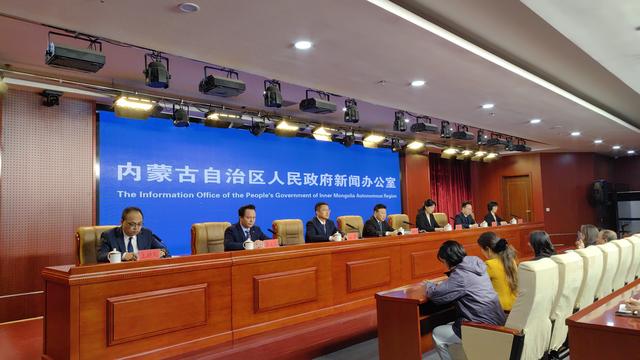
“十四五”时期内蒙古共建“一带一路”实现“硬联通”“软联通”“心联通”
Nei Meng Gu Ri Bao· 2025-11-04 15:34
Core Viewpoint - Inner Mongolia is actively integrating into the Belt and Road Initiative, leveraging its geographical advantages to enhance infrastructure connectivity, policy alignment, and cultural exchanges, thereby solidifying its role as a key gateway for national northern opening and a significant support point in the China-Mongolia-Russia Economic Corridor [2] Infrastructure Connectivity - Inner Mongolia has made significant progress in infrastructure connectivity, completing the capacity enhancement project for the Erhun to Erlian section, with all 12 highway ports upgraded to secondary roads or above [3] - The region has seen the successful acceptance of Baotou and Erlianhot airports, with Hohhot Baita International Airport nearing completion and expected to pass industry acceptance by December 2025 [3] - Over the past five years, Inner Mongolia has dispatched more than 1,900 China-Europe (Asia) freight trains, marking a year-on-year increase of 98.9%, with 22 regular routes connecting to five Central Asian countries, Mongolia, Russia, Belarus, and Iran [3] Trade Facilitation - The establishment of the China-Mongolia Erlianhot-Zamyn-Uud Economic Cooperation Zone has accelerated development, with significant improvements in the hosting of key trade exhibitions such as the China-Mongolia Expo [3] - The region has made strides in building comprehensive bonded zones and pilot free trade zones, with trade volume with Belt and Road countries reaching 607.47 billion yuan during the 14th Five-Year Plan period [3] Financial Connectivity - Inner Mongolia has achieved breakthroughs in cross-border RMB settlement, with over 2,000 enterprises participating in the initiative, facilitating more than 11,000 RMB cross-border settlement transactions for credible enterprises [4] Cultural and People-to-People Exchanges - The region has enhanced cooperation in culture, education, and tourism, organizing vocational training programs for Mongolian students and promoting cross-border tourism through the "Silk Road Economic Belt" initiative [5] - Inner Mongolia has supported various community projects in Mongolia, including the "Planting Ten Billion Trees" initiative and emergency rescue training programs [5]