红酥肉

Search documents
一夜关停!百年底蕴却成了拖油瓶?又一家老字号撑不住了
Xin Lang Cai Jing· 2026-02-14 12:36
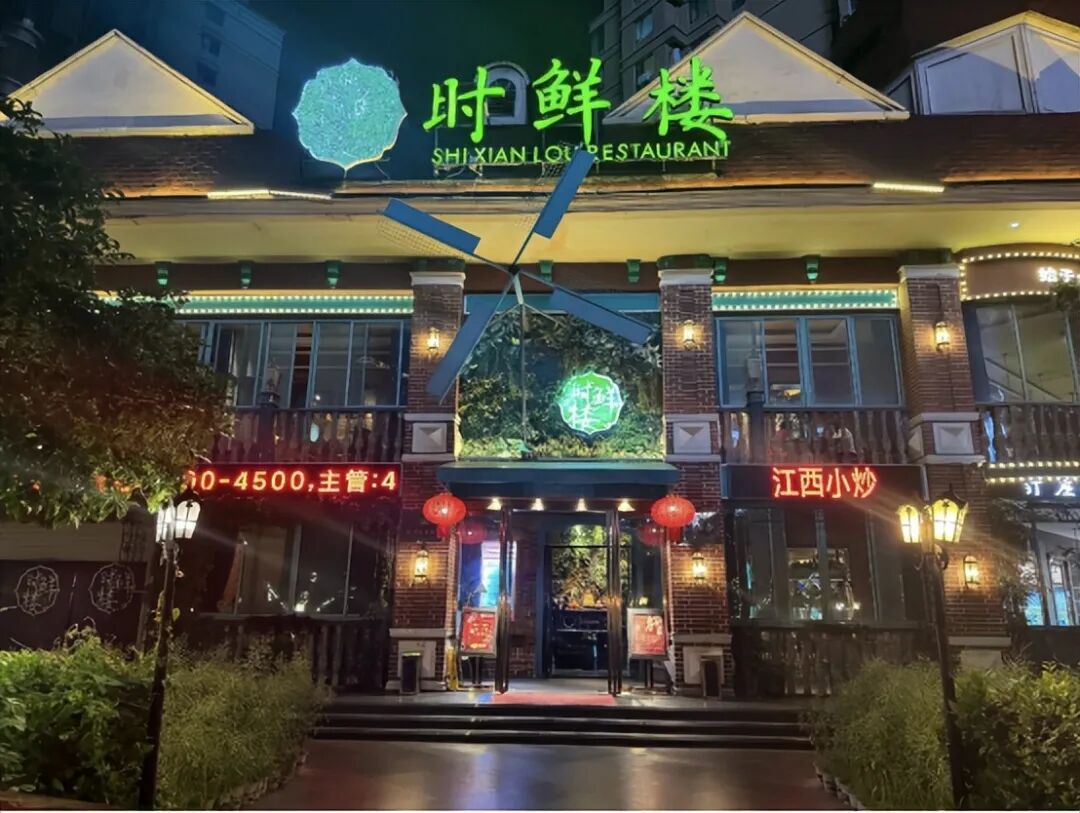
Core Insights - The article discusses the closure of a century-old restaurant, Nanchang Shixianlou, which has been a significant part of local culture and history for 107 years, highlighting the challenges faced by traditional brands in the modern market [3][5][32] Group 1: Company Overview - Nanchang Shixianlou was founded in 1919 by Bai Qilong, starting as a small dumpling vendor and eventually becoming a renowned dining establishment in Nanchang [3][5] - The restaurant was known for its rich culinary heritage and was a venue for significant life events for many locals, contributing to its strong brand identity [13][15] Group 2: Challenges Faced - The closure of Shixianlou is part of a broader trend affecting traditional restaurants across China, indicating a wave of closures among long-established brands [5][27] - The restaurant's struggles stem from a combination of historical burdens and the pressures of a rapidly digitizing market, leading to a disconnect between traditional practices and modern consumer expectations [7][21] Group 3: Business Model and Strategy - In 2017, Shixianlou attempted a digital transformation and expansion strategy, aiming to modernize its operations and reach a wider audience, but failed to effectively implement these changes [16][18] - The restaurant's heavy asset model clashed with contemporary consumer trends favoring lighter, more flexible dining options, leading to increased operational costs and reduced market relevance [21][23] Group 4: Brand Trust and Consumer Relations - The final blow for Shixianlou was its decision to aggressively market prepaid cards shortly before closing, which damaged consumer trust and led to significant backlash [25][26] - This action highlighted a failure to maintain the emotional and financial trust built over decades, ultimately contributing to the brand's downfall [26][32] Group 5: Lessons and Future Implications - The closure serves as a cautionary tale for other traditional brands, emphasizing the need for genuine digital transformation and innovation rather than superficial changes [35] - The article suggests that while traditional brands have valuable cultural assets, they must adapt to modern consumer preferences and operational efficiencies to survive [37]