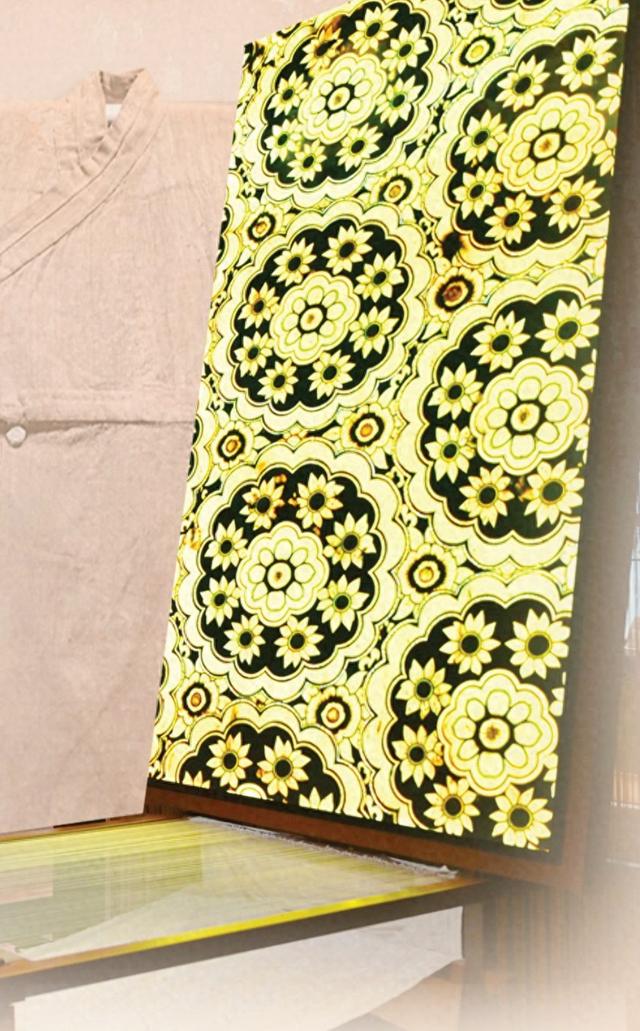
织金锦

Search documents
京津冀探宝之锦绣山河洞中藏(上)
Xin Lang Cai Jing· 2026-01-19 06:51
Core Viewpoint - The exhibition "Weaving Mountains and Rivers - The Yuan Dynasty Silk Textiles from the Pigeon Cave in Longhua, Hebei" showcases rare silk artifacts from the Yuan Dynasty, emphasizing the cultural integration and craftsmanship of the era, reflecting the characteristics of Mongolian and Han fusion [1][4]. Discovery and Historical Context - The artifacts were discovered in January 1999 by four boys in a cave in Longhua County, Hebei, leading to the unearthing of various items including clothing and documents [3][4]. - The cave, known as Pigeon Cave, is situated at an altitude of 1010 meters and was previously unknown due to dense vegetation [3]. - Local officials and experts quickly recognized the significance of the findings, leading to a thorough investigation and classification of the artifacts, with 67 items identified, including five classified as first-class cultural relics [4][6]. Exhibition Details - The exhibition is divided into three thematic sections: "New Regulations of the Dynasty and Harmonious Attire," "Flourishing Flowers and New Designs," and "Auspicious Birds and Golden Brocade," each highlighting different aspects of the textiles' cultural significance [1][6]. - The exhibition will run until March 22, showcasing the intricate designs and historical context of the Yuan Dynasty textiles [1]. Textile Characteristics and Cultural Significance - The exhibition features various garments, including a white cotton robe that illustrates the transition from hemp and silk to cotton as the primary fabric for common clothing during the Yuan Dynasty [6][7]. - The garments reflect a blend of Mongolian and Han styles, with specific designs such as the "big pleated robe" and "braided line robe" showcasing the practical and ceremonial aspects of clothing during this period [7][8]. - The use of luxurious materials like "woven gold brocade" and "nashishi" (a type of gold-threaded fabric) indicates the high status of the original owners, likely belonging to the nobility [9][11]. Artistic Techniques and Patterns - The exhibition highlights the intricate craftsmanship involved in creating these textiles, including the use of gold thread and complex patterns that signify cultural and social status [10][11]. - Specific motifs, such as the phoenix and floral designs, illustrate the artistic influences from various cultures, including Islamic styles, reflecting the diverse heritage of the Yuan Dynasty [10][11].