维特健灵宁心胶囊

Search documents
伪装中国货30年,一年捞金1652亿的日本巨头,为何突然没人买了?
商业洞察· 2026-02-27 09:22
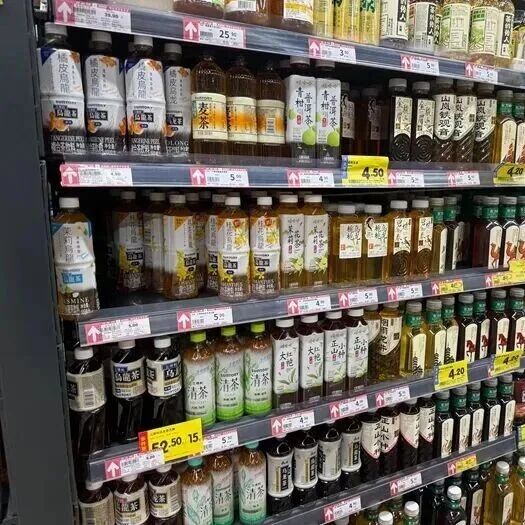
Core Viewpoint - Suntory's decline in the Chinese market is attributed to its failure to maintain its "localization" strategy and the increasing consumer sensitivity towards brand origins, leading to a significant drop in market share and profits [1][7][13]. Group 1: Market Performance - Suntory's peak revenue reached 165.2 billion yuan, with a market share of over 20% in the sugar-free tea segment [1][5]. - Recently, Suntory's market share plummeted to 8.7%, and profits fell by 9.2% year-on-year [1][7]. Group 2: Branding Strategy - Suntory employed a "disguise" strategy by heavily localizing its branding, using Chinese labels and promoting its products as domestic goods [3][5]. - The company utilized Chinese celebrities for endorsements and showcased Chinese landscapes in advertisements to create a perception of being a local brand [3][5]. Group 3: Market Dynamics - The rise of domestic brands has led to a "dimensionality reduction attack" on Suntory, as local competitors offer products that better cater to Chinese tastes and preferences [9]. - Domestic brands have demonstrated faster innovation cycles compared to Suntory, which has struggled to keep pace with market demands [9][11]. Group 4: Response to Market Changes - In response to declining sales, Suntory attempted to launch ten new products and ventured into traditional Chinese health drinks, but these efforts failed to resonate with consumers [11]. - The company's misunderstanding of Chinese health culture and consumer needs has hindered its recovery efforts [11][13]. Group 5: Lessons for Foreign Brands - Suntory's experience serves as a cautionary tale for foreign brands in China, emphasizing the importance of genuine localization and understanding of local consumer behavior [13].