
绿皮车

Search documents
高铁里程突破5万公里,为何仍需绿皮车?
经济观察报· 2026-01-20 14:06
Core Viewpoint - The article discusses the evolving role of traditional slow trains (referred to as "green trains") in China's railway system, highlighting their continued importance despite the rapid expansion of high-speed rail networks. It emphasizes that these trains serve essential functions for specific demographics and regions, providing affordable transportation options. Group 1: Train Operations and Statistics - As of January 26, the new train operation schedule includes a total of 12,130 scheduled passenger trains, with many conventional trains being reclassified from Z, T, and K to D for high-speed trains [2] - On January 27, 2026, a total of 1,225 trains were scheduled to operate, including 162 direct trains (Z), 132 express trains (T), 680 fast trains (K), and 251 pure number trains [6] - The maximum speeds for different train types are as follows: Z trains at 160 km/h, T trains at 140 km/h, K trains at 120 km/h, and conventional trains ranging from 80 km/h to 120 km/h [7] Group 2: Role and Value of Green Trains - Green trains connect cities with populations over 200,000 and resource-rich areas, serving as a vital link for low-income groups and residents in remote areas [3][4] - The affordability of green trains is a significant draw, often costing half or less than high-speed train tickets, making them a preferred choice for budget-conscious travelers [10] - In remote areas, green trains are crucial for local communities, providing essential transport services and even acting as mobile libraries for students [11] Group 3: Economic and Social Impact - Green trains have lower construction costs and can effectively connect surrounding regions, promoting local economic development, especially in smaller cities [12] - From a freight perspective, green trains are more economical, with railway freight costs being about one-third of road freight costs, and they have a significantly lower environmental impact [13] - Despite their ongoing utility, the overall number of conventional trains is decreasing, with a reduction of 71 trains compared to the previous schedule [13]

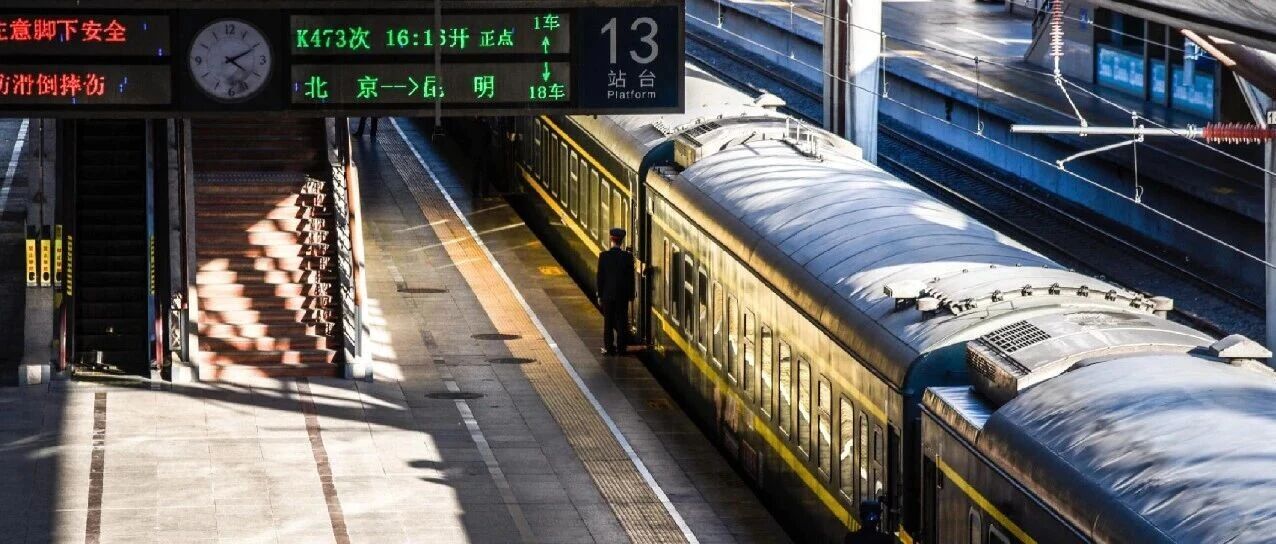
高铁里程突破5万公里,为何仍需绿皮车?
Jing Ji Guan Cha Wang· 2026-01-20 08:52
1月26日起,全国铁路将实施新版列车运行图。调图后,全国铁路安排图定旅客列车开行总数达12130 列,其中多趟普速列车(俗称"绿皮车")将更换车次标识,由原Z(直达)、T(特快)、K(快速)字头升级为D 字头动车组列车运行。 可以说,我们的铁路越来越快了,全民进入一个快时代。 如今,中国高铁网络已突破5万公里,成为人们出行的主要选择。然而,在追求速度与效率的时代,橄 榄绿色的普速列车依然沿着许多线路稳定运行,是中国铁路系统不可或缺的一部分。这一现象令人思 考:当高铁已成为交通出行的主流,为何这些速度较慢、设施相对陈旧的列车仍然被保留并持续运行? 绿皮车与高铁并非简单的替代关系。中国物流学会特约研究员解筱文在接受经济观察报采访时表示,根 据《新时代交通强国铁路先行规划纲要》,普速铁路与高速铁路在路网功能和服务定位上各有侧重。 普速列车主要连接20万人口以上城市、资源富集区、货物集散地等重要节点,基本覆盖县级以上行政 区,并兼顾货物运输功能。其服务对象包括偏远地区居民、中低收入群体等,为他们提供经济普惠的出 行选择。而高速列车则是要实现省会城市及50万人口以上城市高铁通达,构建全国主要城市间1、2、3 小时高铁交 ...