
肉毒杆菌毒素

Search documents
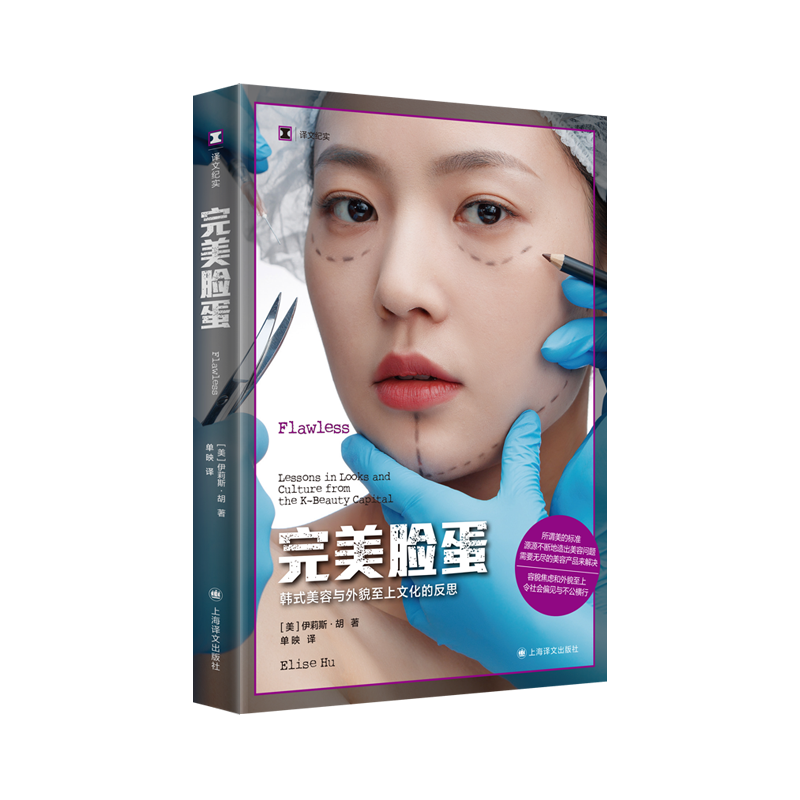
医生在我脸上刺了274下,然后说这事儿没完
Hu Xiu· 2025-10-21 09:38
Core Insights - The South Korean cosmetic surgery industry is experiencing rapid growth, particularly in non-invasive procedures such as injectables and laser treatments, which are becoming increasingly popular among consumers [4][13][14] - New injectables like "Rejuran," which uses salmon DNA to enhance skin elasticity, are gaining traction, showcasing the innovative nature of the industry [5][14] - The competitive landscape in South Korea allows for a wide variety of injectables and treatments, often at lower costs compared to other countries, leading to a surge in demand [13][14] Industry Trends - The use of injectables in South Korea has become a mainstream practice, with many clinics offering a plethora of options, including "pink injections" and various types of botulinum toxin [14][19] - There is a notable difference in the regulatory environment between South Korea and the United States, with South Korea allowing more experimental procedures and a broader range of products available to consumers [13][14] - The trend towards non-invasive procedures reflects a shift in consumer preferences, as many seek less painful and lower-risk alternatives to traditional surgeries [13][15] Consumer Behavior - Consumers in South Korea are increasingly viewing cosmetic procedures as a routine part of self-care, leading to a normalization of injectables and other treatments [16][19] - The pressure to conform to beauty standards is significant, with individuals often feeling compelled to undergo procedures to meet societal expectations [16][19] - Despite the risks associated with cosmetic procedures, many consumers accept these as part of the experience, indicating a complex relationship with beauty and self-image [14][19] Medical Practices - The prevalence of cosmetic procedures has raised concerns about safety and the potential for medical errors, with reports of increasing complaints related to cosmetic surgeries [14][15] - Surgeons in South Korea often perform multiple procedures in a day, which may increase the likelihood of mistakes, highlighting the need for careful consideration of patient safety [14][15] - Some medical professionals advocate for a more cautious approach, encouraging patients to reconsider unnecessary procedures and emphasizing the importance of informed decision-making [19][20]

英国监管机构就医美肉毒杆菌中毒事件发出警告
Xin Hua She· 2025-08-08 03:13
Core Viewpoint - The UK Health Security Agency has reported multiple cases of botulinum toxin poisoning following cosmetic procedures, urging the public to be aware of the associated risks when undergoing treatments involving botulinum toxin [1] Group 1: Incidence and Symptoms - From June 4 to August 6, 2023, there have been 41 clinically confirmed cases of iatrogenic botulinum toxin poisoning, with symptoms including difficulty swallowing, slurred speech, and breathing difficulties [1] - The symptoms of botulinum toxin poisoning may take up to four weeks to appear, indicating the potential severity of the condition [1] Group 2: Regulatory and Safety Recommendations - The UK Health Security Agency has advised clinicians across the UK to closely monitor individuals who have recently undergone cosmetic procedures for signs of botulinum toxin poisoning [1] - The agency recommends that the public take precautions when seeking cosmetic treatments, such as verifying that the products used are licensed and avoiding purchasing products online for personal use [1] Group 3: Nature of the Toxin - Botulinum toxin, produced by the bacterium Clostridium botulinum, is a highly neurotoxic protein that paralyzes subcutaneous nerves, effectively reducing or preventing wrinkle formation, which is why it is widely used in the medical aesthetics field [1]